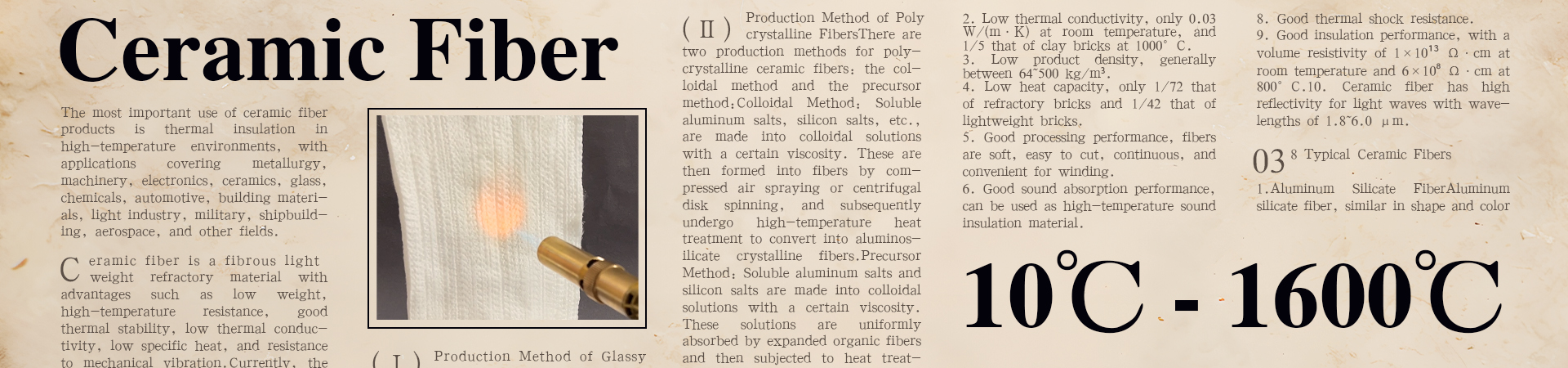
Ceramic fiber boards are manufactured via wet vacuum forming process.
They feature higher mechanical strength than fiber blankets and vacuum-formed felts, making them ideal for high-temperature applications requiring structural rigidity.
Today, Aladdin will elaborate on how various performance properties of ceramic fiber boards affect their application in thermal insulation.
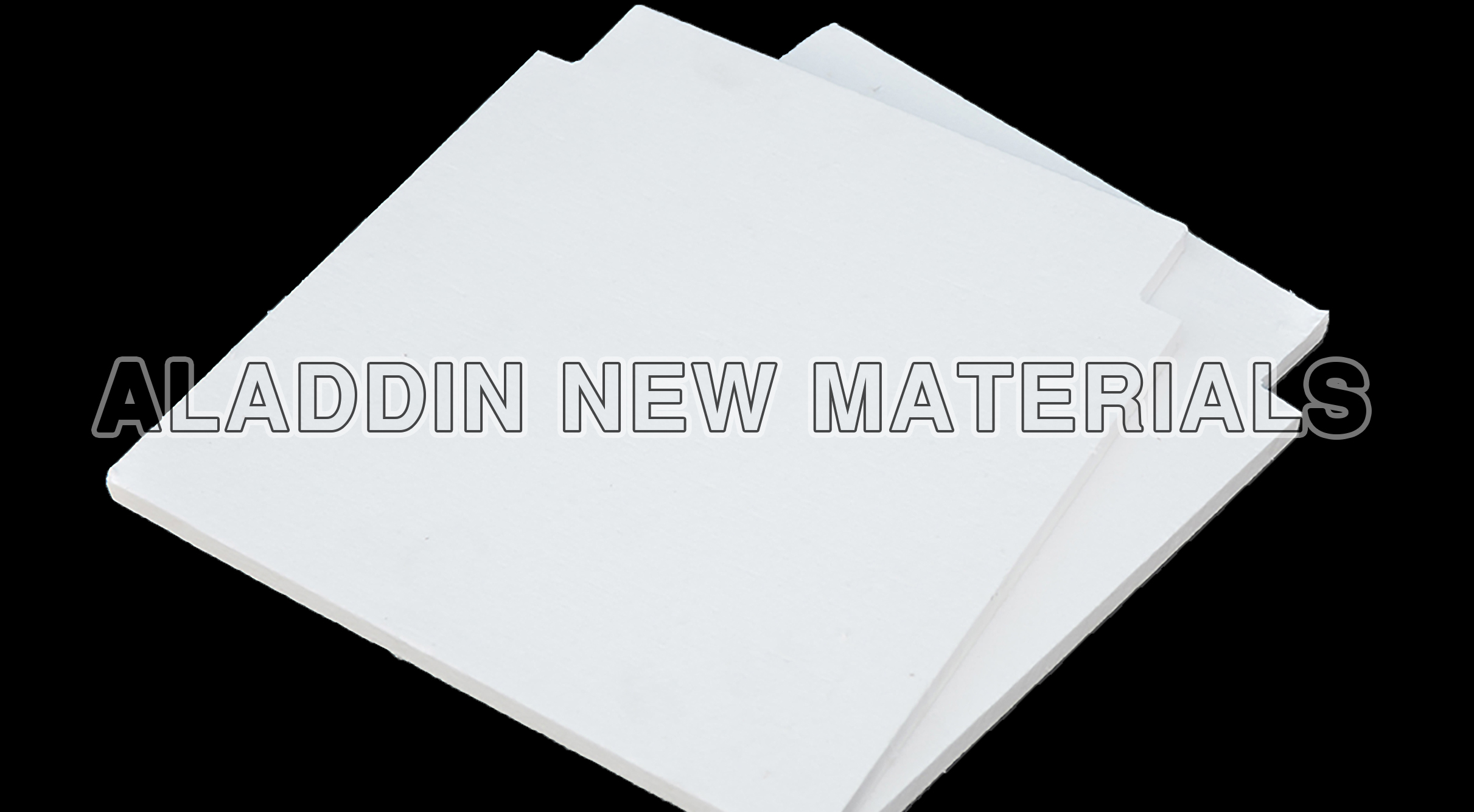
1. Temperature has a direct impact on the thermal conductivity of all types of ceramic fiber board thermal insulation materials. The thermal conductivity of materials rises as the temperature increases.
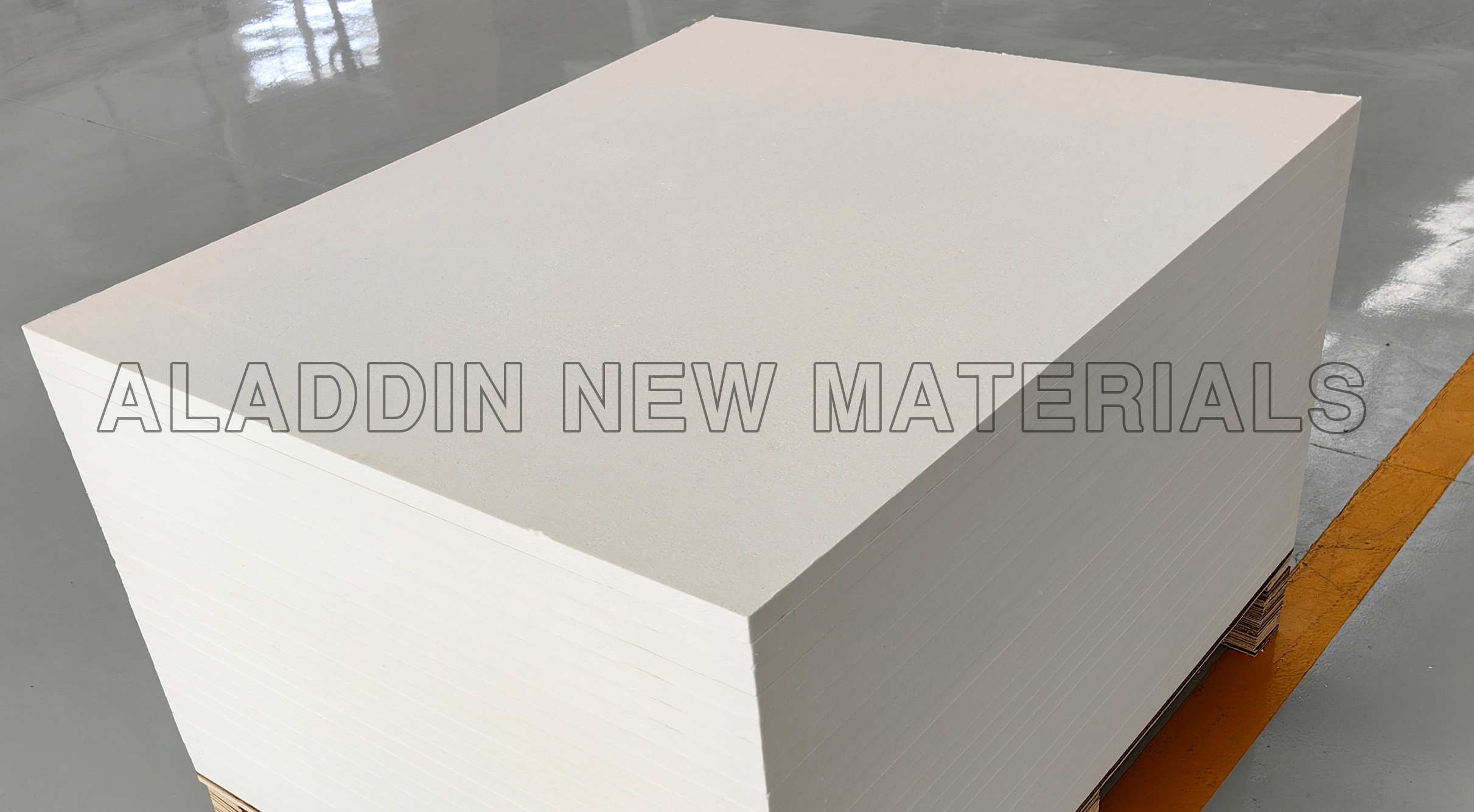
3. Bulk density directly reflects the porosity of materials. Since the thermal conductivity of gas phase is generally lower than that of solid phase, all thermal insulation products feature high porosity and correspondingly low bulk density. In general, increased porosity or reduced bulk density will lead to a decrease in thermal conductivity.
4. For ceramic fiber board insulation materials, most heat transfer occurs through the gas inside pores. Therefore, the thermal conductivity of insulation materials is largely determined by the type of filling gas. In low-temperature engineering, if the pores are filled with helium or hydrogen, the thermal conductivity of insulation materials can be approximately regarded as equivalent to that of these gases, due to their relatively high thermal conductivity.
Aladdin Tips
Ceramic fiber boards are applied to expansion joints, backing insulation, insulation gaskets and casting mold insulation. They feature low thermal conductivity and excellent mechanical vibration resistance. Therefore, special attention should be paid during subsequent application.
LiveChatX
 Send Email
 WhatsApp