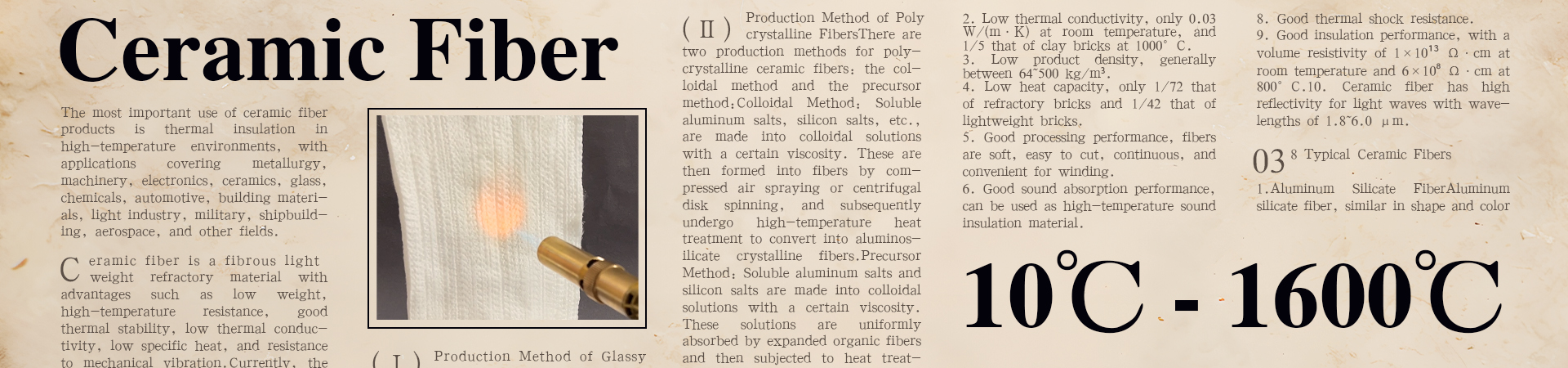
01 Overview of Flat Top Tunnel Kiln
A pulverized coal brick kiln is a tunnel-type kiln that heats and sinters wet brick blanks mainly made of coal gangue and shale to produce finished bricks.
Such kilns are generally over 140 meters in length, with available width specifications of 3.3m, 3.6m, 4.6m, 6.9m and more according to different sizes.
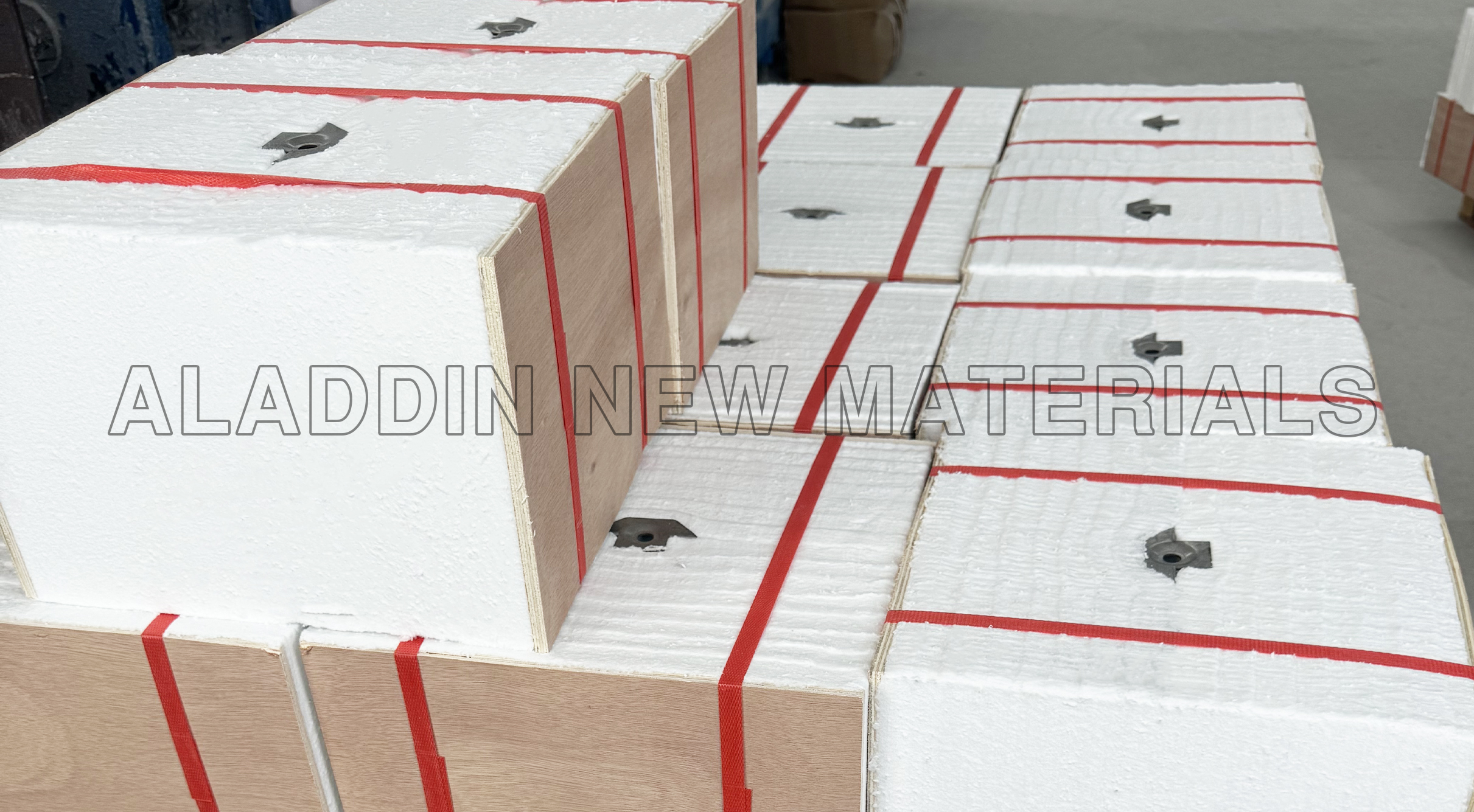
02 Working Temperature and Thermal Insulation Structure of Firing Zone
a. Long-term operating temperature: 950℃; theoretical operating temperature: 1000℃~1050℃.
b. High-temperature firing zone (1200℃, calculated based on severe theoretical working conditions):Aladdin provides on-site thermal calculation. According to internal furnace temperature, thickness of hot-face ceramic fiber modules and total insulation thickness, we can calculate the maximum allowable outer wall temperature.
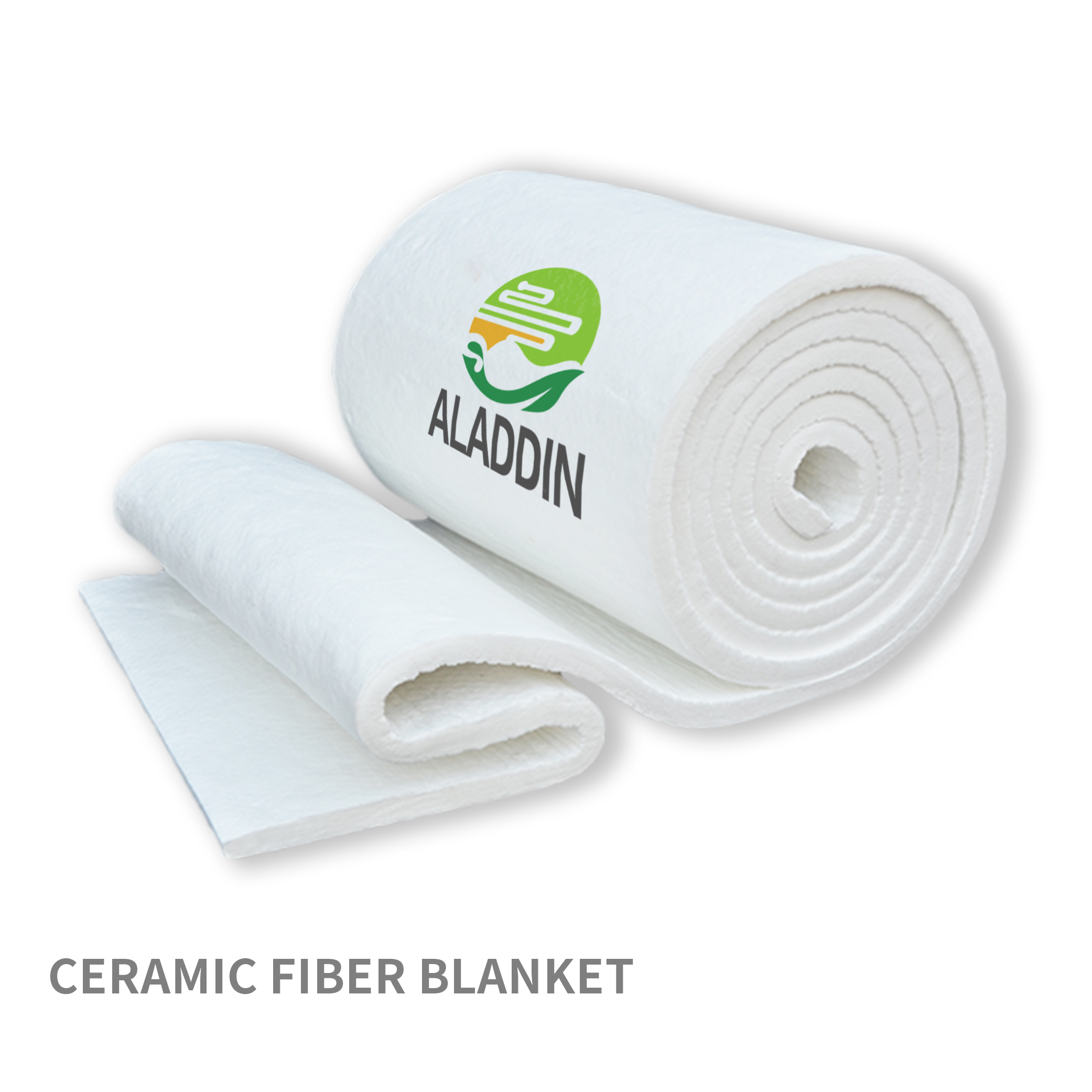
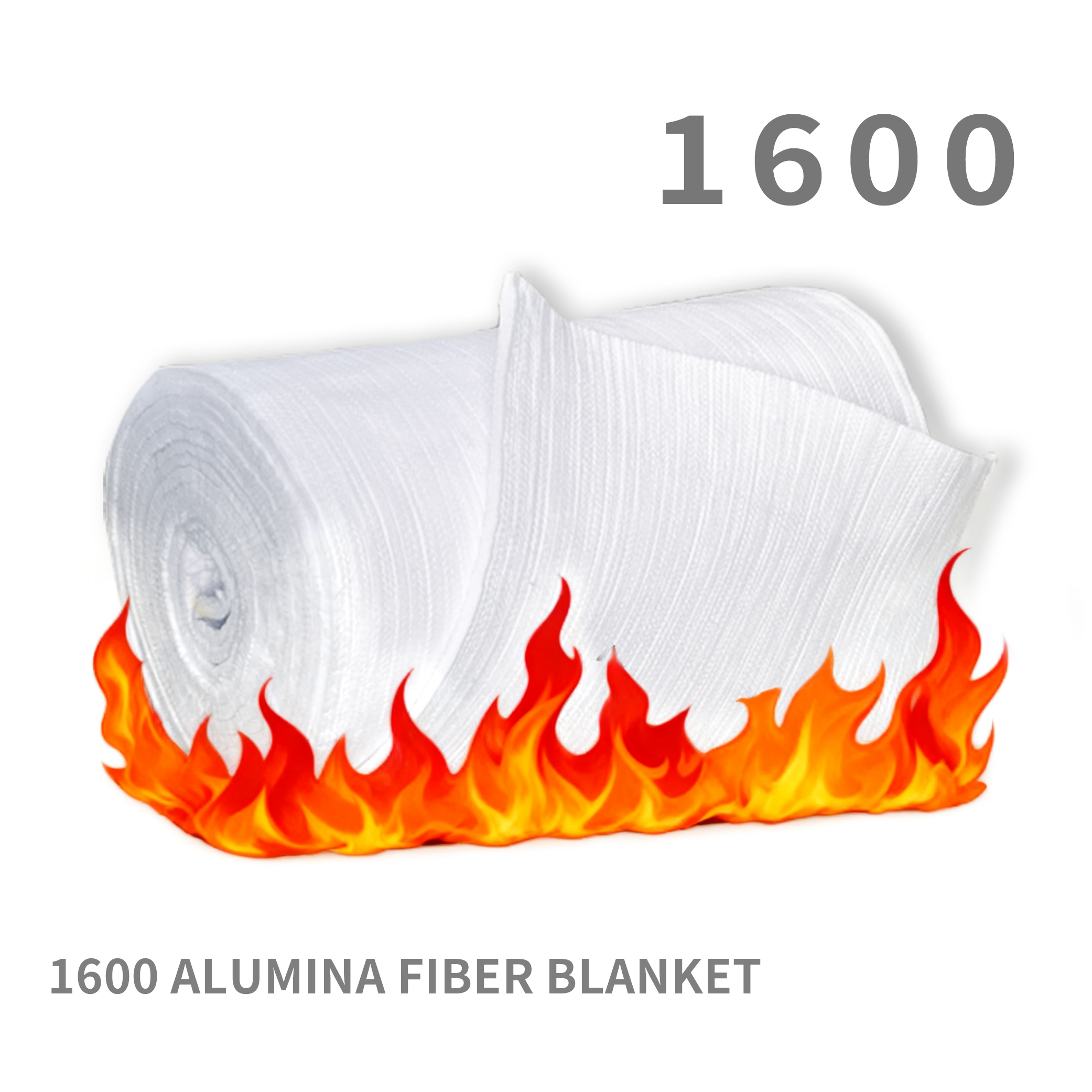
The normal operating temperature of the high-temperature zone is ≤ 1050℃.High-alumina ceramic fiber modules with a long-term service temperature of 1200℃ can fully meet the operating requirements of the converter kiln.As the backing blanket is far from the hot surface with obvious temperature drop, conventional ceramic fiber with a long-term service temperature of 950℃ is sufficient.
c. Low-temperature zone (below 650℃):
Conventional ceramic fiber with a long-term service temperature of 950℃ can meet the insulation requirements.
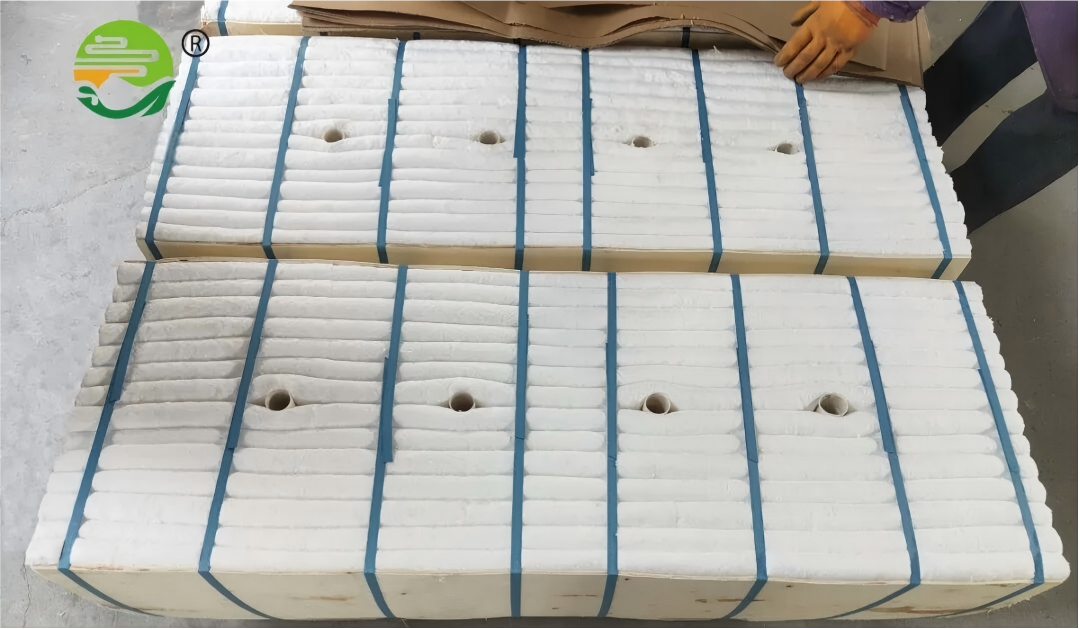
03 Advantages of Ceramic Fiber Furnace Lining
a. Low bulk densityCeramic fiber lining is over 75% lighter than lightweight insulating brick lining, and 90% to 95% lighter than lightweight castable lining.Adopting fiber lining can greatly reduce the structural load of the kiln steel structure and extend the service life of the furnace body.
b. Low heat capacityThe heat capacity of ceramic fiber is only about 1/10 of lightweight refractory lining and lightweight castable lining.The heat capacity of lining materials is directly proportional to their weight.
c. Low thermal conductivityThe thermal conductivity of ceramic fiber lining is 1/10 that of lightweight refractory lining, delivering outstanding thermal insulation performance.
d. Convenient construction No expansion joints are required during construction. Workers can operate skillfully after basic professional training.
e. Excellent thermal shock resistance and mechanical vibration resistance Fiber blankets and modules feature flexibility and elasticity. Within the bearable temperature range of heated components, folded ceramic fiber module lining can be heated or cooled at any rapid rate without easy damage.
f. No furnace drying required The furnace can be put into operation immediately after lining construction, without a preheating and drying procedure.
g. Superior sound insulation performance Ceramic fiber can attenuate high-frequency noise below 1000 Hz. For sound waves below 300 Hz, its sound insulation capacity surpasses conventional sound insulation materials, which can significantly reduce noise pollution.
h. Stable chemical properties Aluminum silicate ceramic fiber is a slightly acidic neutral material. Except for reactions with strong acids and strong alkalis, it is not corroded by weak acids, weak alkalis, water, oil or steam. Meanwhile, it exhibits non-wetting properties with lead, aluminum and copper metals.
LiveChatX
 Send Email
 WhatsApp