A Professional Guide to Dealing with Shrinkage and Delamination
Ceramic fiber furnace linings, with their excellent thermal insulation performance and lightweight, easy-to-install characteristics, have become the preferred lining material for modern industrial kilns. However, under long-term high-temperature service conditions, shrinkage or localized delamination of the lining is inevitable. Timely and correct repair is crucial to ensuring the safe and efficient operation of the kiln and extending the service life of the lining. This article will systematically introduce professional repair methods for different types of damage.
I. Repairing Shrinkage Cracks: The Key Lies in "Dense Filling"
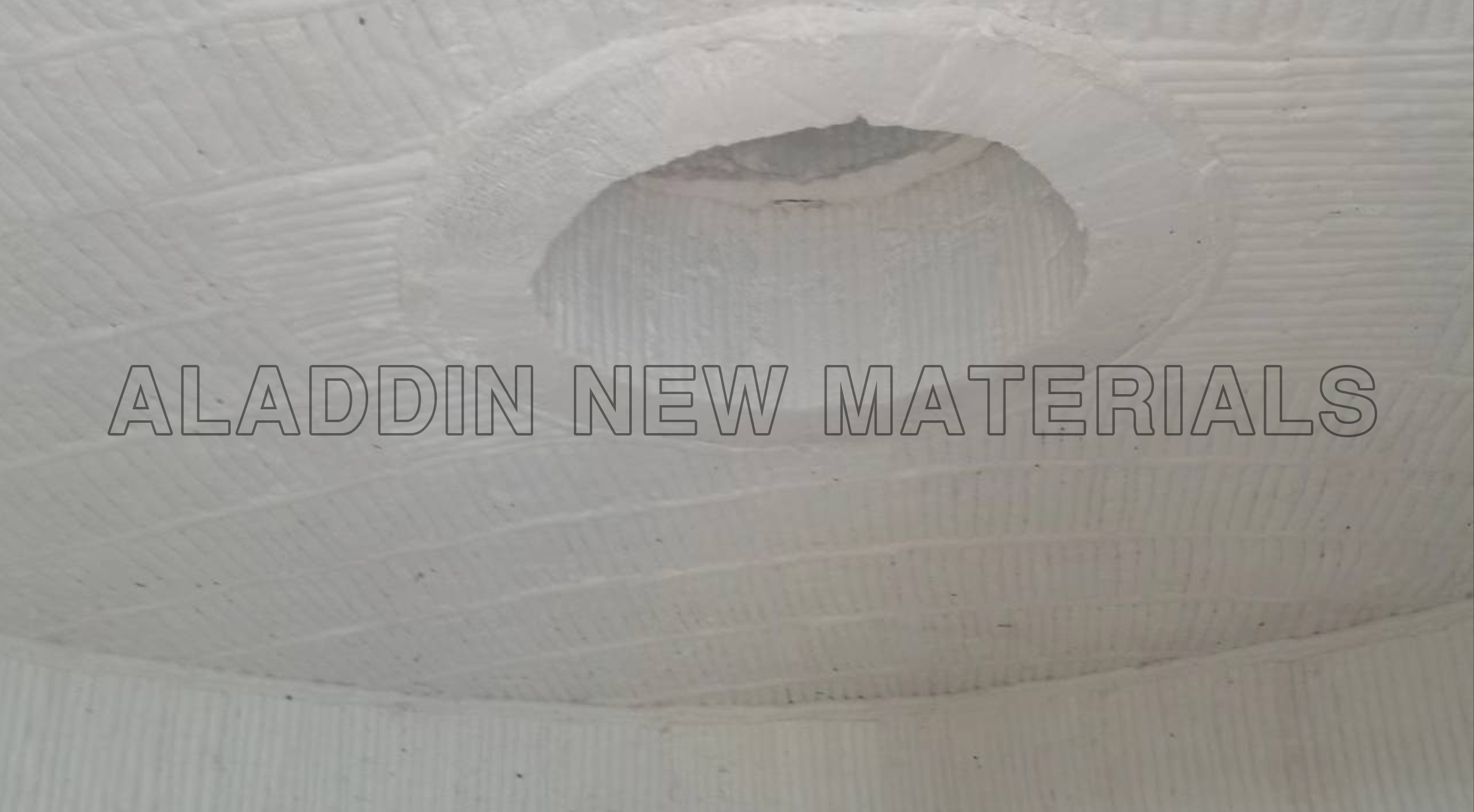
When shrinkage cracks exceeding 5mm in width appear on the surface of the ceramic fiber furnace lining, interventional repair is necessary. If left untreated, these cracks can easily become channels for high-temperature flames to penetrate, further damaging the lining structure and causing the damage to expand.
The core of the repair method is the "filling method."
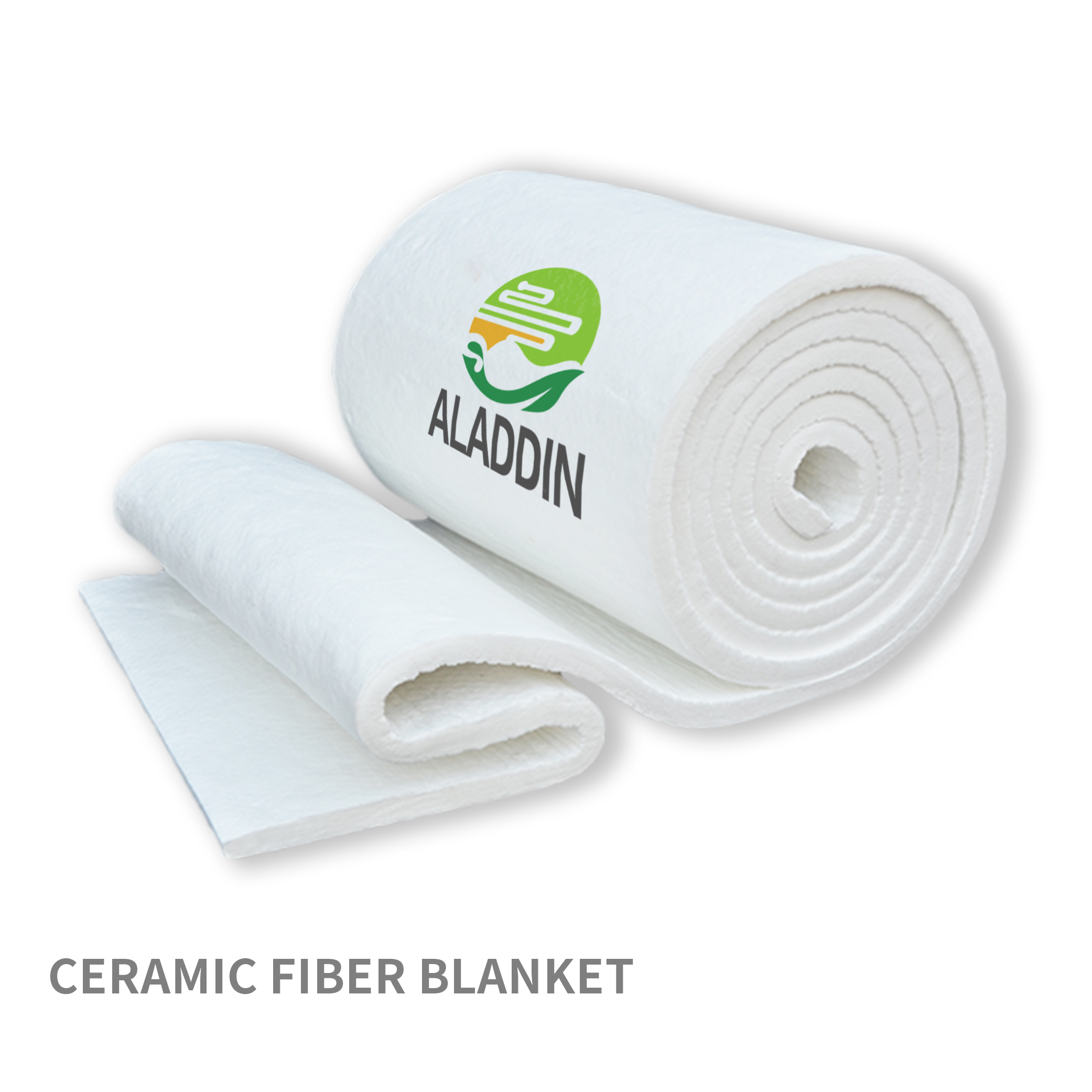
Cleaning the Substrate: First, use specialized tools to thoroughly remove all fiber residue from the cracks, providing a clean and strong bonding surface for the new material. Material Preparation and Filling: Select ceramic fiber blanket of the same type as the existing furnace lining and tear it into strips slightly wider than the crack. Using a depressor or a special filling tool, forcefully fill the fiber strips into the crack until no more can be filled. This process must ensure that the filler is absolutely dense throughout the entire depth and length of the crack; surface bonding is strictly prohibited, otherwise it will quickly fall off again under the scouring of hot airflow.
II. Repair of Module Detachment: Categorized Approaches to Eradicate Hidden Dangers
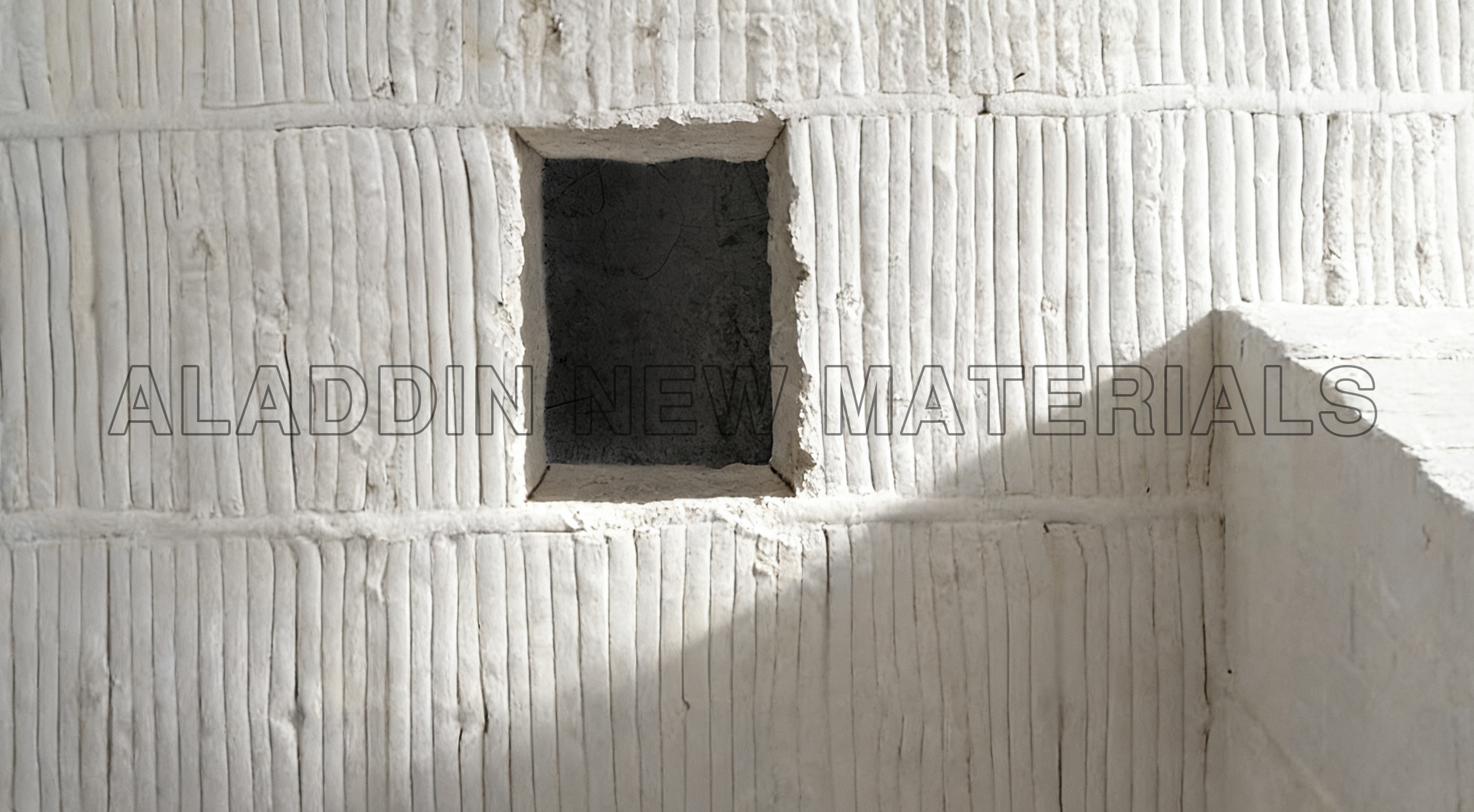
For more serious problems of complete module detachment, drastically different repair strategies must be adopted according to the module type.
1. Replacement Repair of Standard Modules
When standard square or rectangular modules detach, the most direct and effective method is in-situ replacement. Steps: Re-weld secure anchoring nails at the original anchoring nail locations; lay the ceramic fiber backing blanket; install a new module of the exact same size and tighten it. During installation, special attention must be paid to filling the space between the new module and adjacent modules in the non-folded compression direction with pre-compressed ceramic fiber blankets to compensate for the asynchronous shrinkage of the old and new materials at high temperatures. Large gaps between the replacement area and the surrounding old furnace lining should also be tightly filled with ceramic fiber blankets.
2. Layered Reconstruction and Repair of Irregularly Shaped Modules
For the detachment of irregularly shaped modules such as corner or curved sections, it is generally not recommended, and it is difficult to find perfectly matching spare parts for replacement. A more scientific method is to use a layered structure for local reconstruction. Steps: Weld sufficiently long "L"-shaped anchors to the damaged area; then, cut the ceramic fiber blanket to a size larger than the damaged area, and lay it in alternating layers like "bricklaying" until the original design thickness is reached, securing each layer with quick-release clips. Technical advantages: The essence of the layered method lies in "leaving room for compression." Because the old module has shrunk and lost elasticity after long-term high temperatures, if a new module is forcibly inserted, gaps will inevitably exist at the interface. Extending larger layers of carpet to the edge of the old lining for compression installation achieves a perfect, tight fit, fundamentally eliminating new potential problems and avoiding the vicious cycle of "re-damage at the repair site."
III. Proactive Maintenance: Spray Protection, Preventing Problems Before They Occur
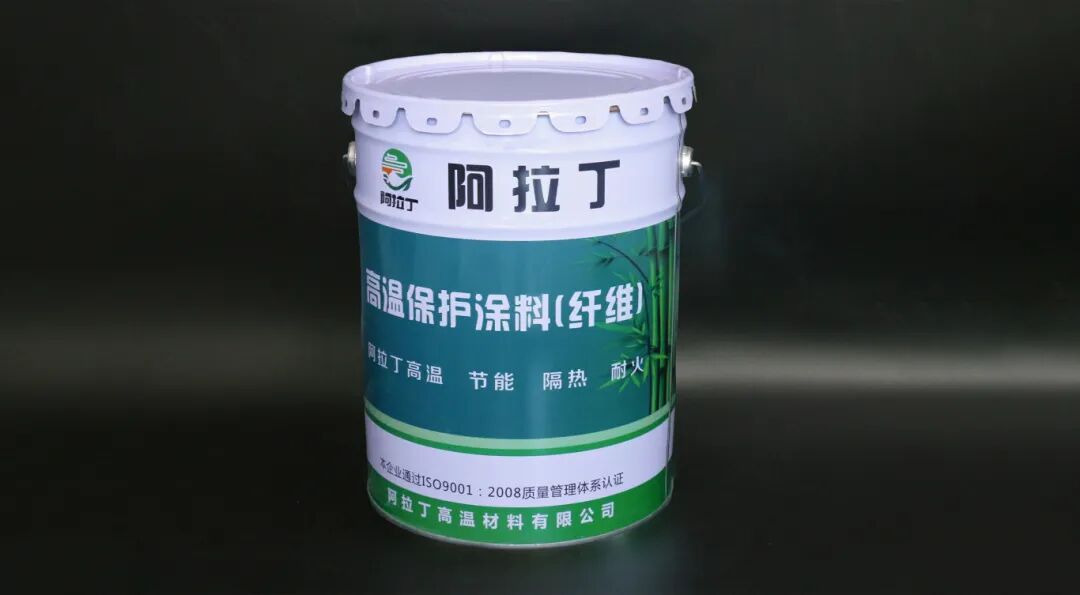
Besides passive repair, proactive protection is equally important. When the furnace lining is in good condition, spraying a layer of specialized ceramic fiber high-temperature protective coating onto its surface is a highly cost-effective preventative investment. This coating forms a dense protective layer on the fiber surface, effectively resisting the direct erosion of high-temperature airflow, slowing down the pulverization rate, and significantly inhibiting the shrinkage rate of the fibers at high temperatures, thereby extending the overall service life of the furnace lining.
LiveChatX
 Send Email
 WhatsApp