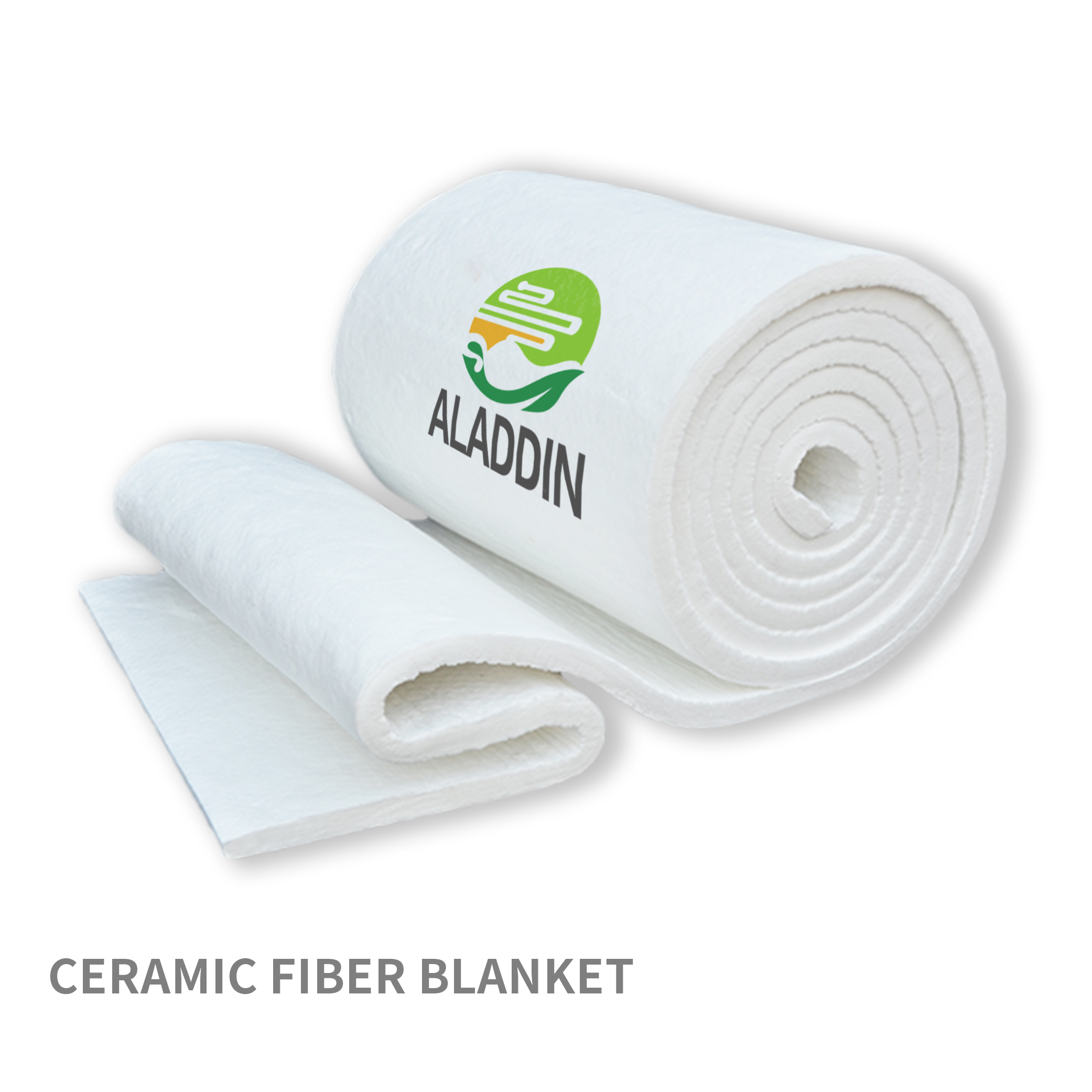
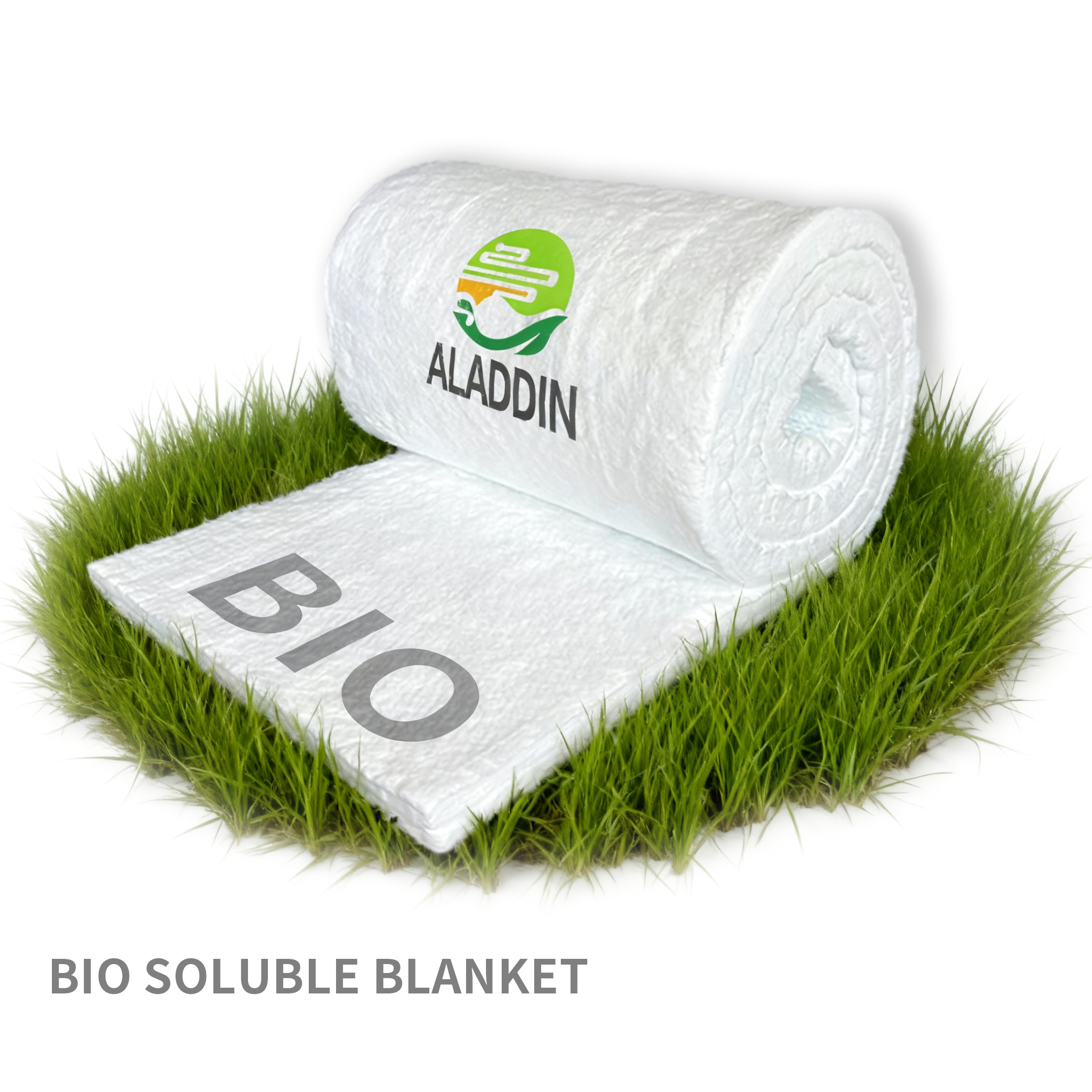
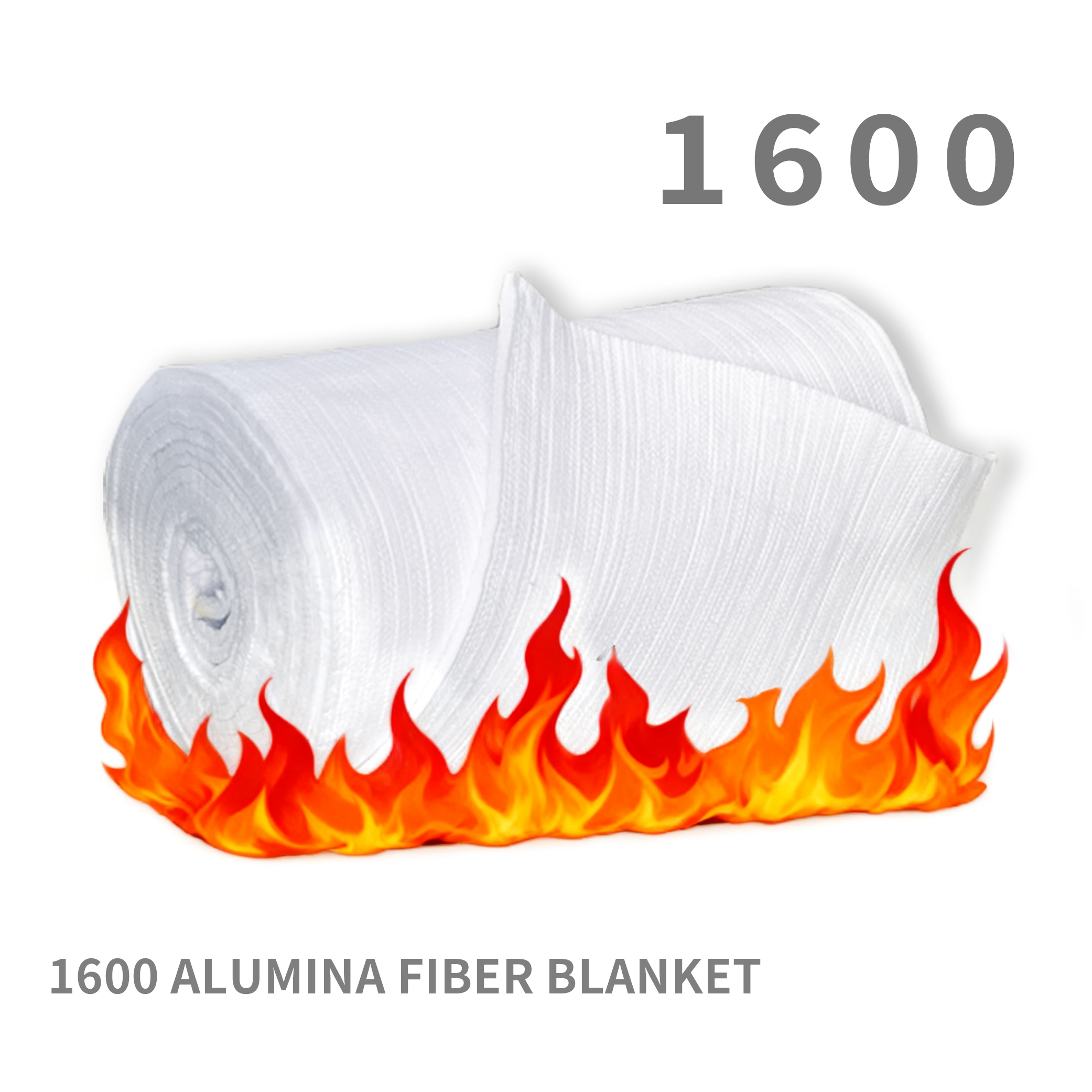
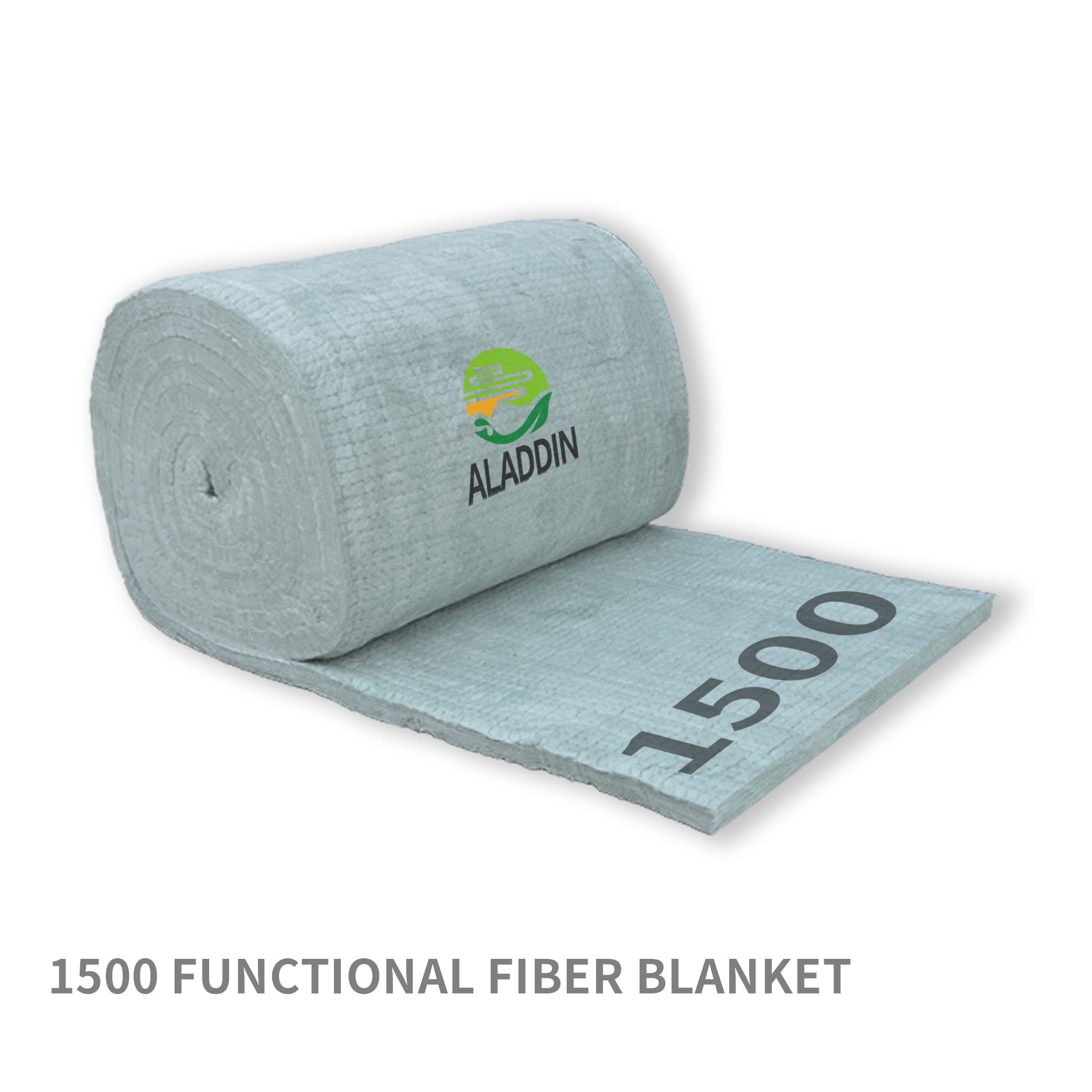
Ceramic fiber resistance furnaces have thoroughly overcome the drawbacks of traditional domestic resistance furnaces such as bulky structure, fragile heating coils and slow temperature rise, with performance matching that of comparable imported counterparts. What specific benefits does ceramic fiber bring as high-temperature insulation for resistance furnaces? Let Aladdin walk you through the advantages below!
Advantages of Ceramic Fiber as Insulation for Resistance Furnaces
Advantage 1: Easier installation of heating coils
As a lightweight porous fibrous insulating material, ceramic fiber allows direct insertion of ceramic anchors into the finished lining to mount resistance heating wires. By contrast, furnaces lined with refractory bricks require custom-shaped special refractory bricks and matching ceramic anchors for coil fixing.
Advantage 2: Extended service life of heating coils
Furnaces lined with ceramic fiber can be commissioned directly after lining installation without pre-firing. Ceramic anchors suffer minimal thermal shock from temperature fluctuations and deliver a longer service lifespan. For furnaces lined with castable refractory, wet casting soaks ceramic anchors with moisture; improper pre-firing drastically increases anchor damage risks.
Advantage 3: Cost and efficiency optimization
Elimination of furnace pre-firing cuts customers’ time expenditure and extra overhead costs.
Advantage 4: Outstanding energy saving performance
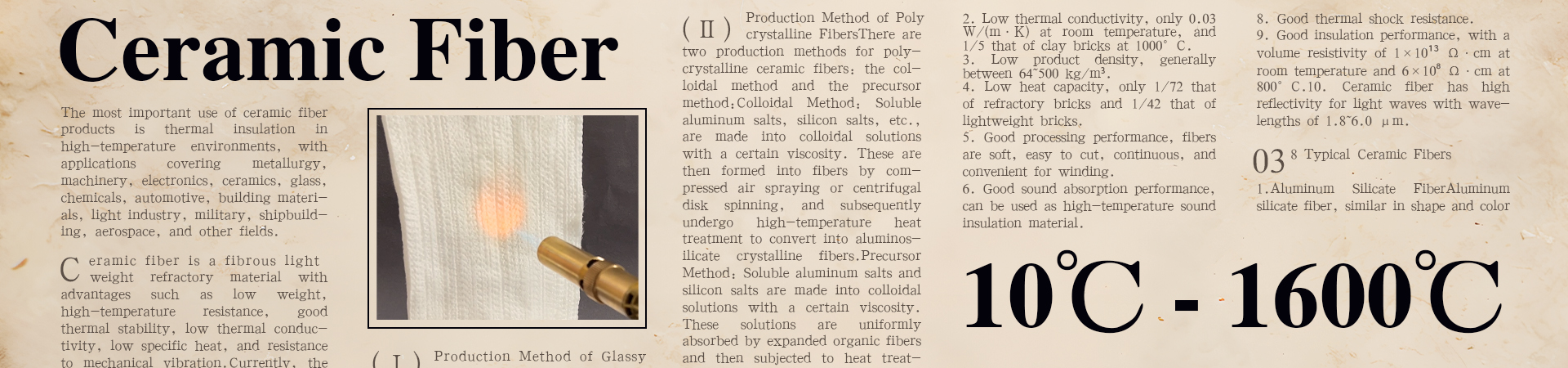
Thanks to its low bulk density and low thermal conductivity, ceramic fiber effectively curbs heat loss, especially ideal for intermittently operated furnaces to reduce energy consumption.
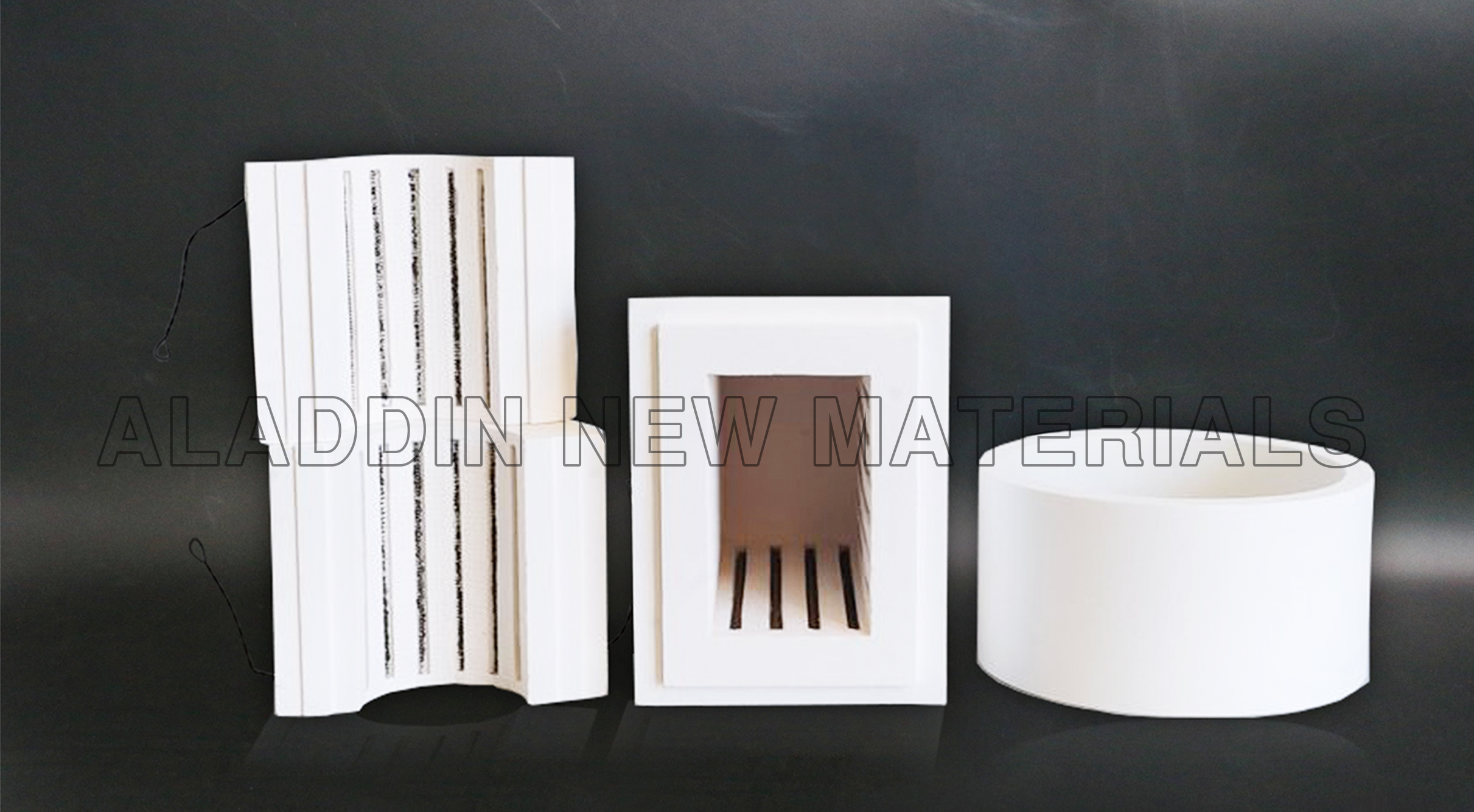
Aladdin Heating Modules
Aladdin heating modules adopt vacuum suction forming technology to embed heating elements inside formed fiber substrates, creating an integrated component combining heating and thermal insulation. Resistance wires are fully encapsulated and secured inside refractory fiber, preventing high-temperature creep deformation and significantly prolonging coil service life.
The monolithic fiber structure restricts thermal shrinkage of heating wires at high working temperatures to further extend component durability. Superior insulating property of ceramic fiber reduces equipment power consumption by 20%–30%.
The maximum continuous operating temperature hits 1300°C with excellent heating performance and thermal stability.Customized mature design solutions are available for diverse working conditions. These products are widely used in laboratory electric furnaces, industrial furnaces, powder metallurgy facilities, pipeline heating for petrochemical industries and other thermal processing equipment. 
 Send Email
 WhatsApp