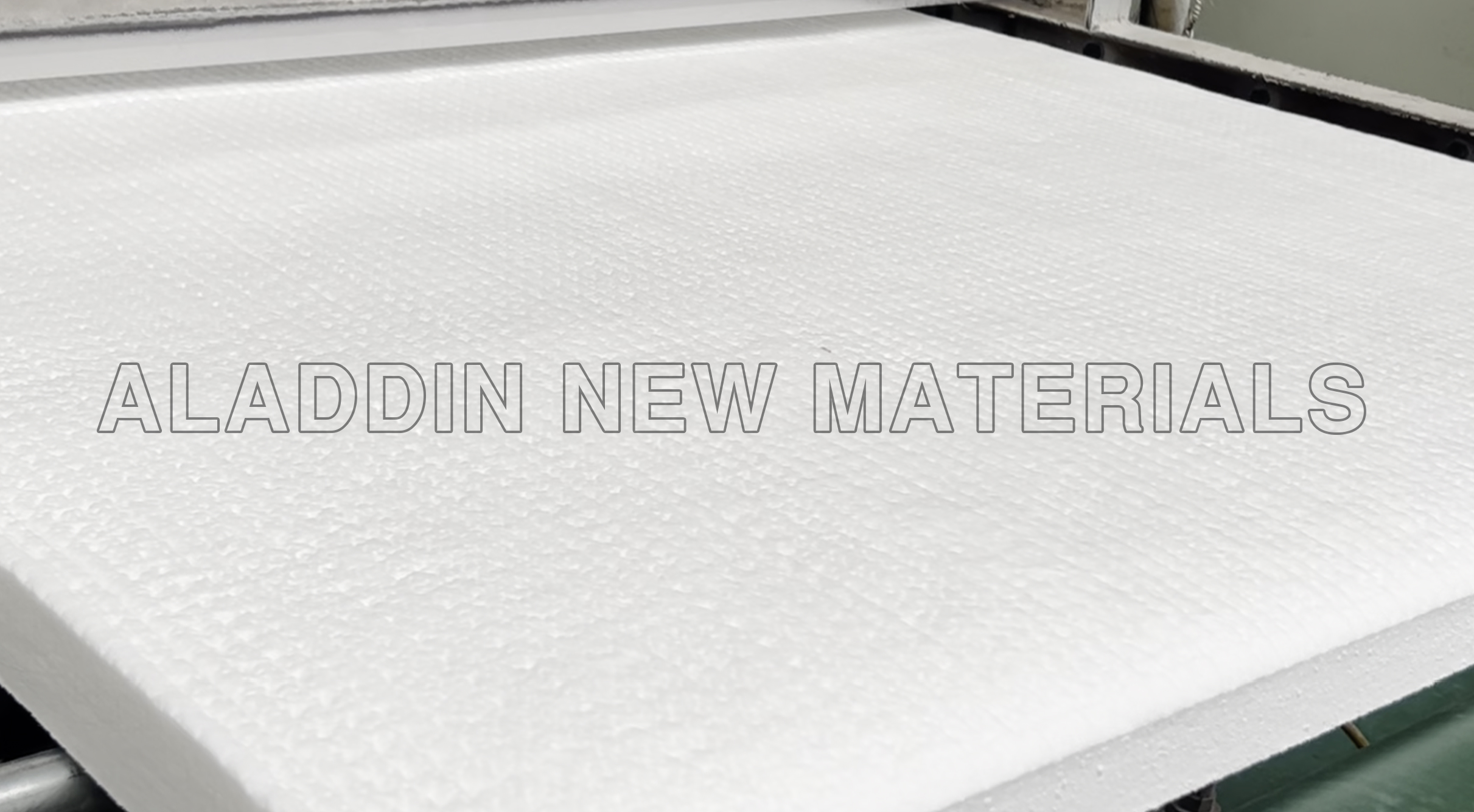
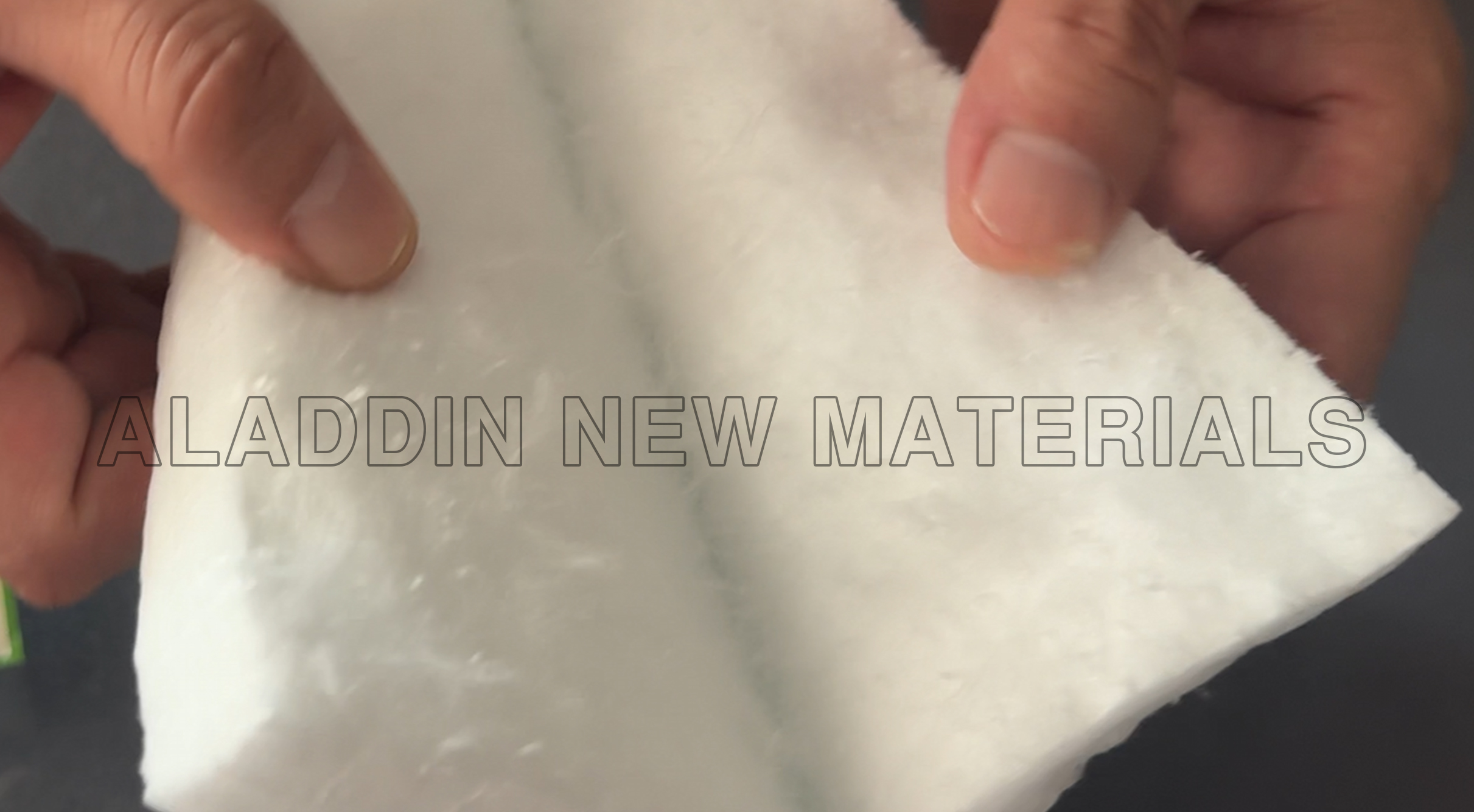
Zirconia-containing ceramic fibers and zirconia fibers are two types of fibers with different crystal structures, yet they are often confused with each other. Today, Aladdin briefly introduces their similarities, differences and respective advantages.
Similarities
Both are refractory materials with a working temperature above 1000°C, and both are fibrous inorganic materials.
Differences
1. Service Temperature
The continuous working temperature of zirconia-containing ceramic fibers is above 1200°C. The service temperature of zirconia fibers ranges from 1500°C to 2300°C and can be adjusted according to actual demands.
2. Zirconia Content
The mass fraction of ZrO₂ in zirconia-containing ceramic fibers is 15% ~ 17%.The total mass fraction of ZrO₂ and HfO₂ in zirconia fibers is over 90%. 3. Crystal State
Zirconia-containing ceramic fibers present a glassy state formed by supercooling.Zirconia fibers consist of polycrystalline phases stabilized by stabilizers. 4. High-temperature Conductivity
Zirconia-containing ceramic fiber wool is non-conductive at both room temperature and high temperature.Zirconia fibers are non-conductive at room temperature but conductive under high-temperature conditions.
5. Price
Zirconia raw materials cost dozens of times more than flint clay and coal gangue. In addition, zirconia fibers require post-treatment at temperatures above 1100°C after forming, leading to high processing costs. Limited market demand restricts mass production, which further pushes up production costs.
Respective Advantages
Zirconia fibers outperform alumina-silica refractory fibers in overall properties. They feature a melting point of 2700°C, excellent oxidation resistance, corrosion resistance and low thermal conductivity. The fiber morphology remains intact even at 2200°C in atmospheric environments. However, zirconia fibers are extremely costly and have low market demand, so large-scale production has not been realized.
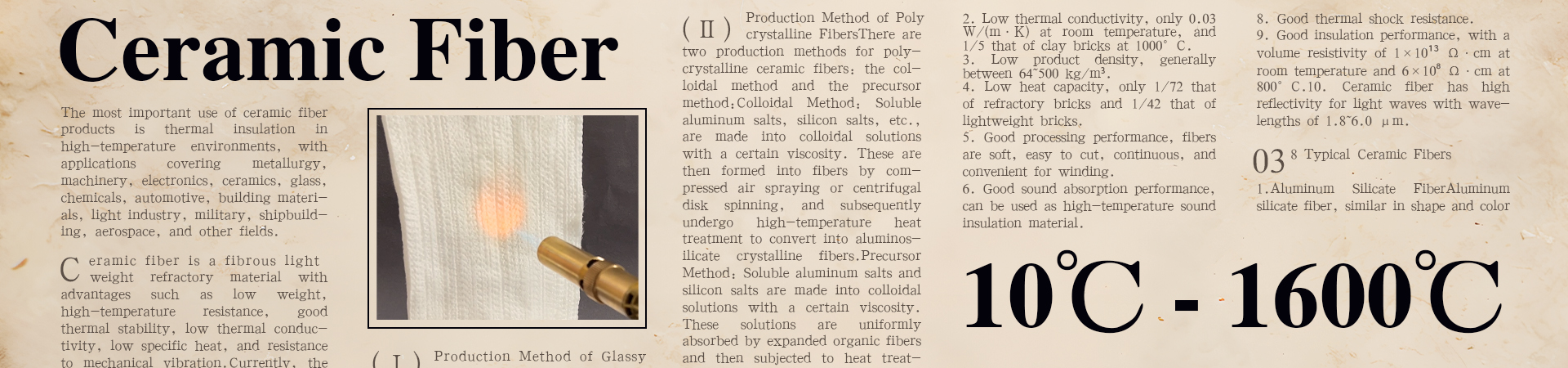
Zirconia-containing fibers deliver reliable performance at a competitive price, so they are widely used in continuously operated high-temperature furnaces. They enable lightweight and large-scale furnace structure design and deliver remarkable energy-saving effects, making them an ideal material for energy conservation and efficiency improvement. They also possess good electrical insulation, sound absorption, oxidation resistance, oil resistance and water resistance, and allow for easy installation. Therefore, they are extensively applied in metallurgy, building materials, petrochemicals, shipbuilding, power, aerospace and other industries.
 Send Email
 WhatsApp