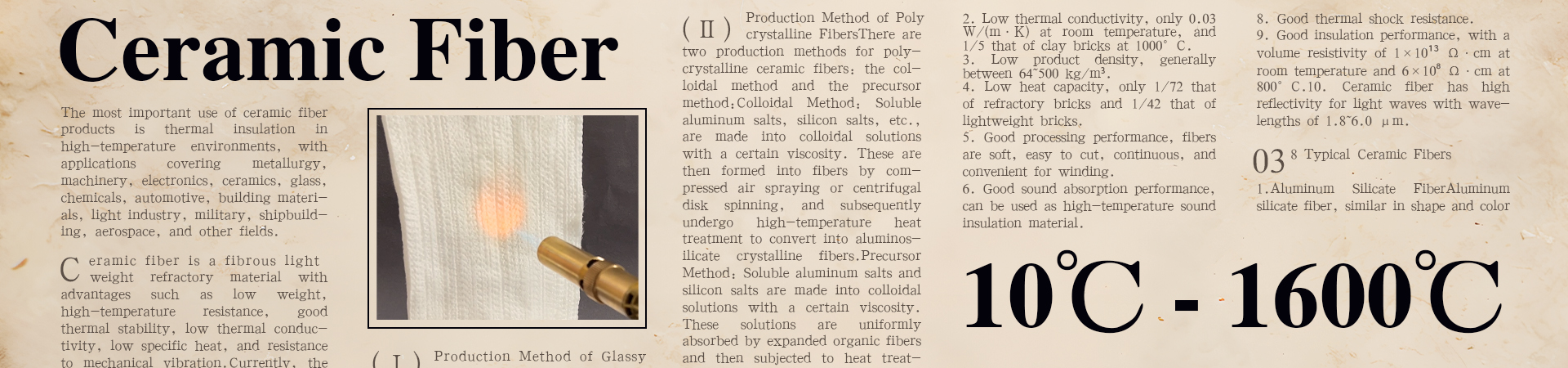
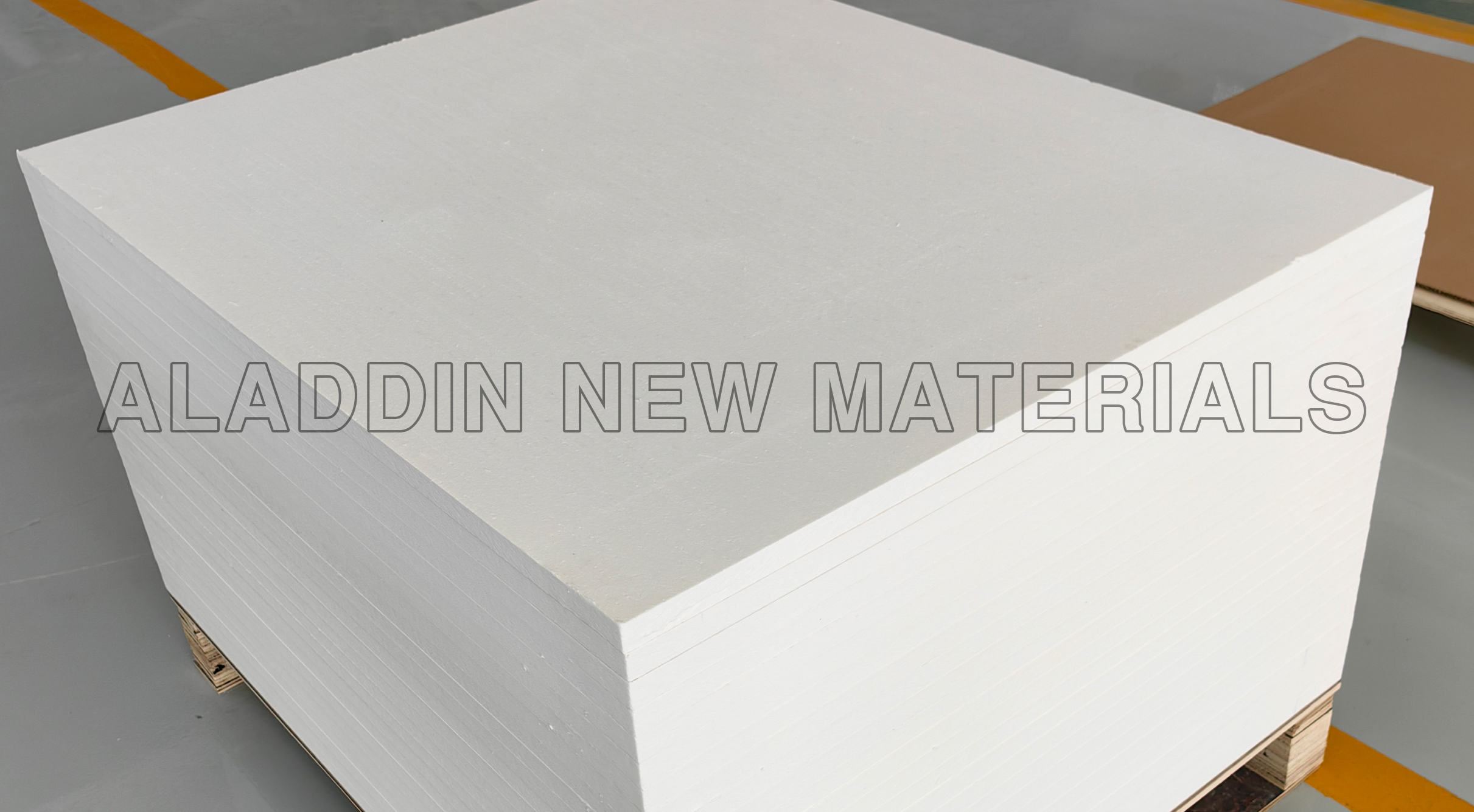
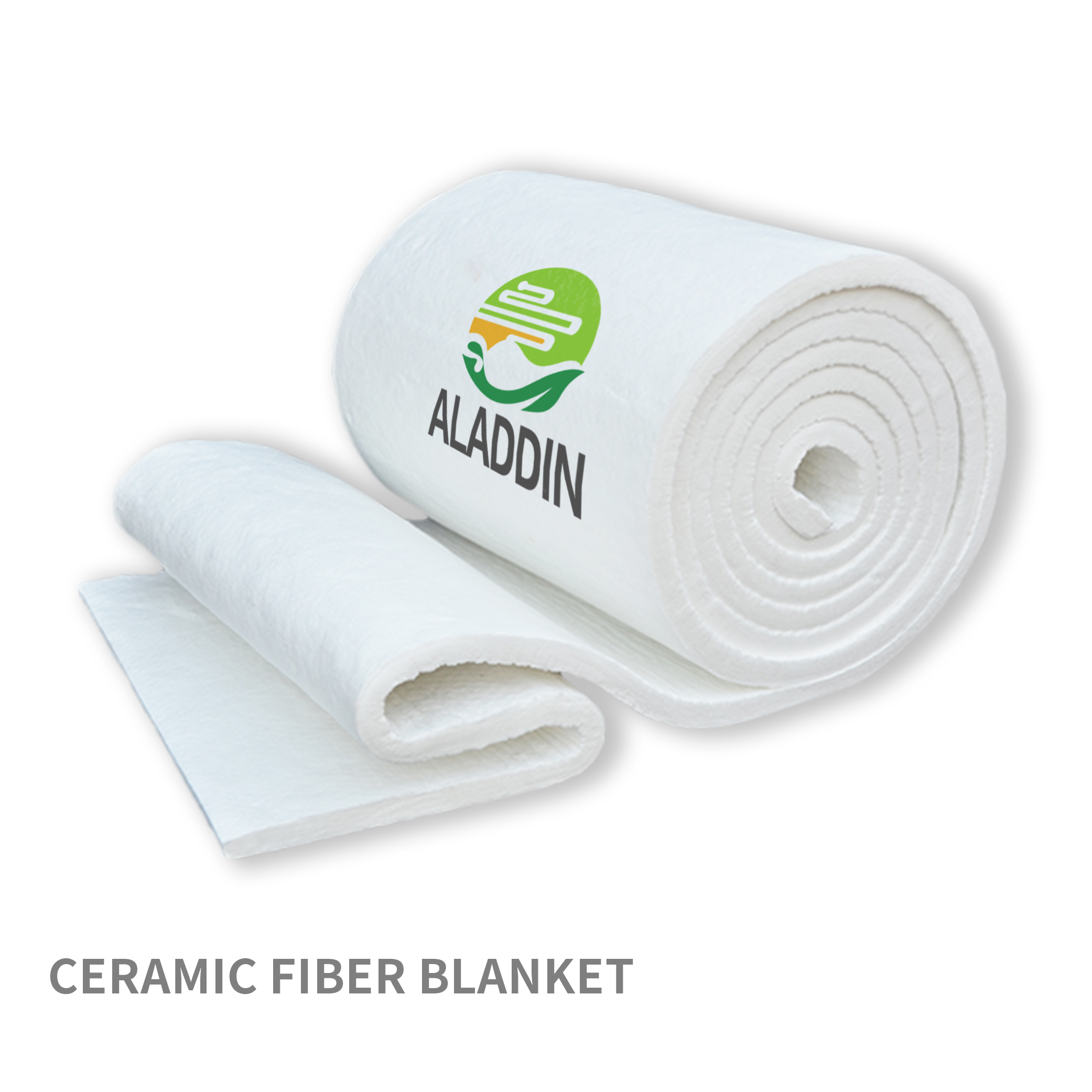
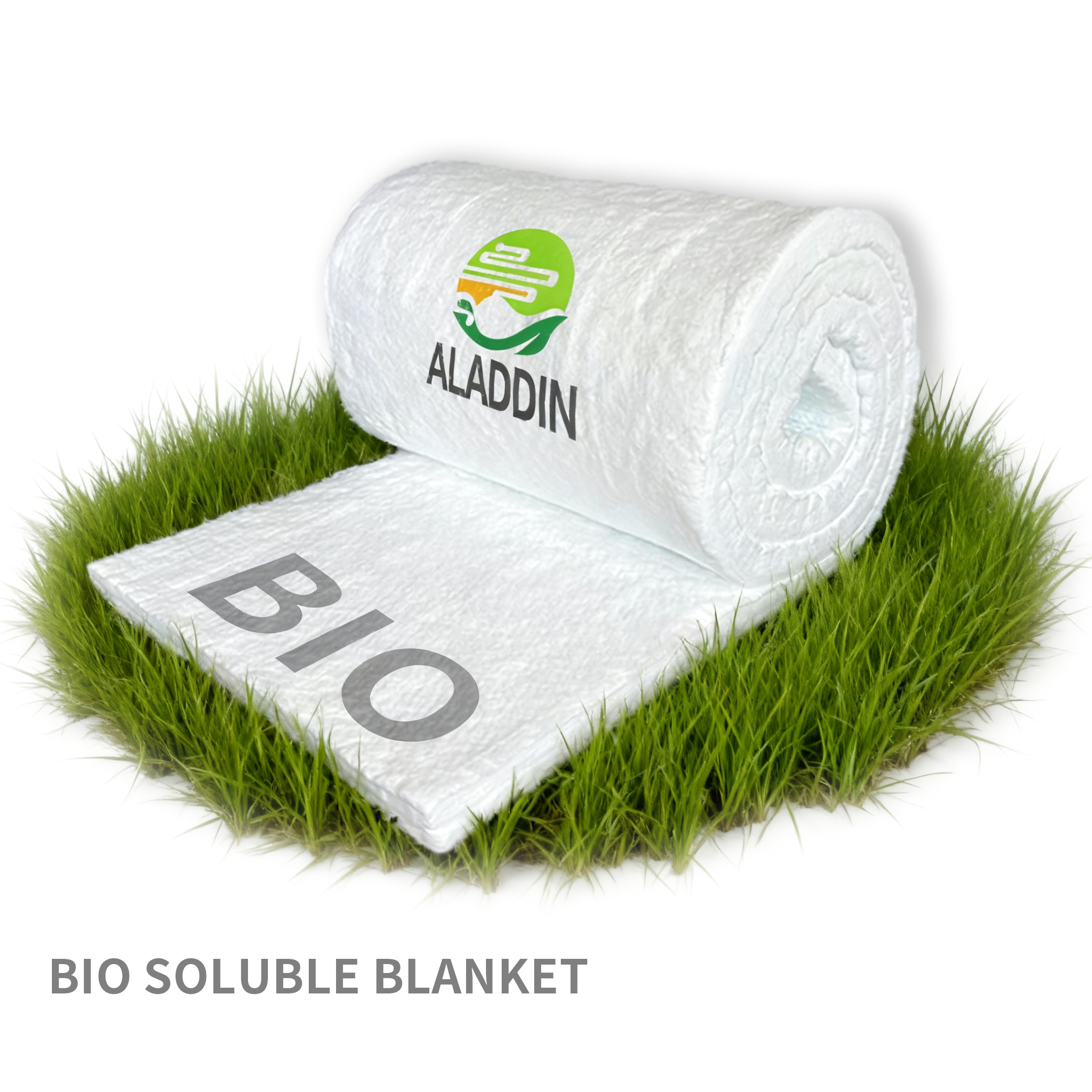
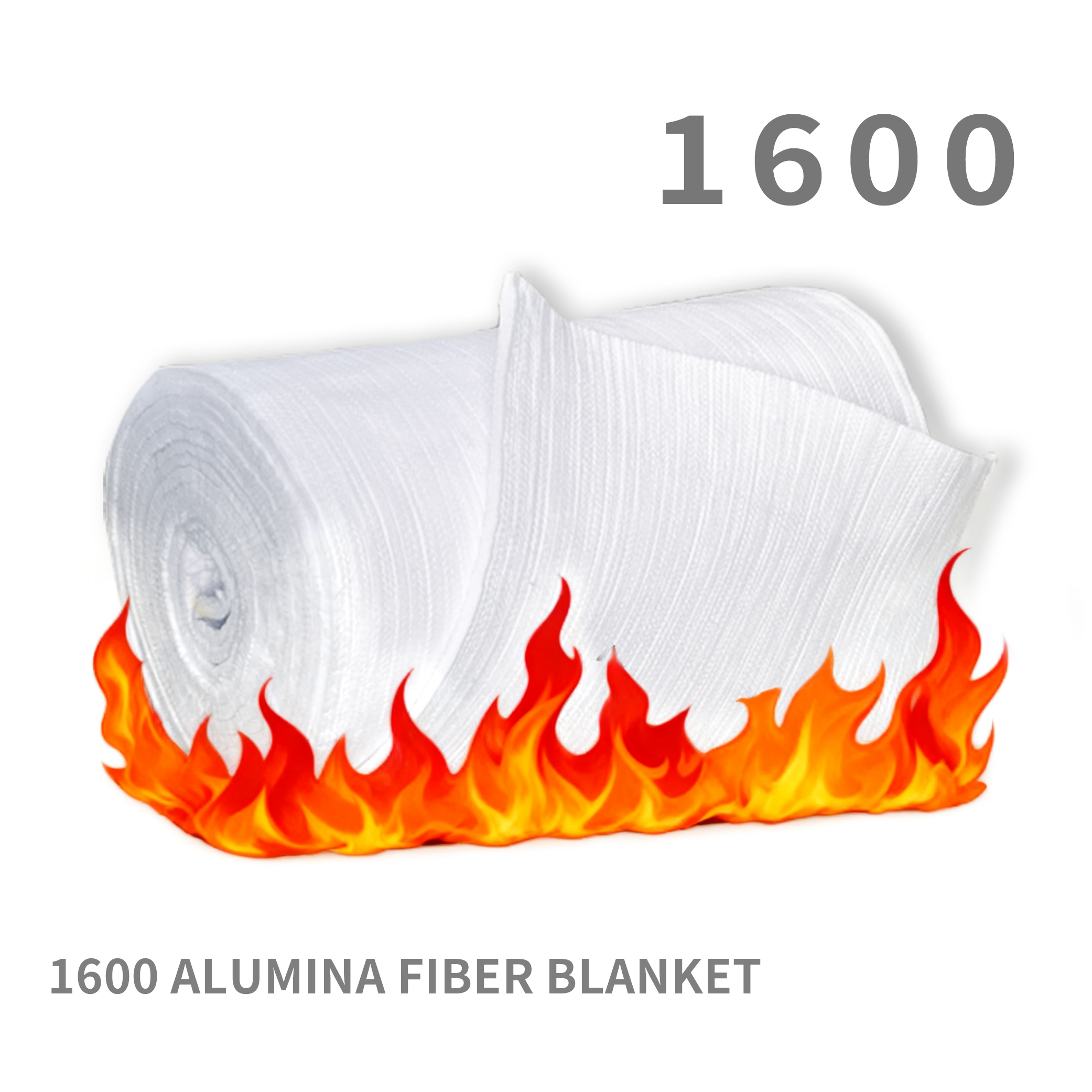
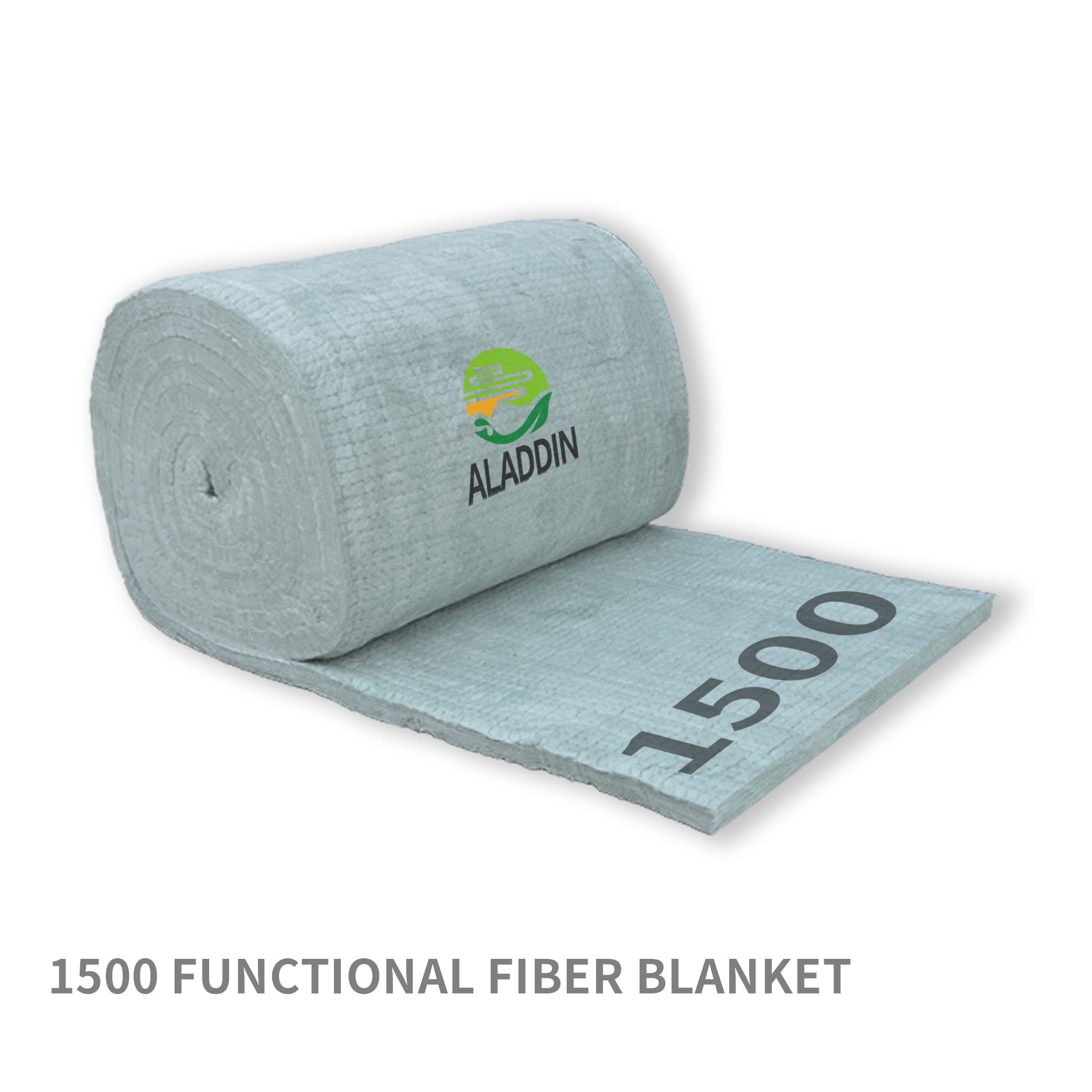
Ceramic fiber boards have gained popularity in fireproofing and thermal insulation due to their unique properties. These boards weigh only one-seventh of conventional refractory brick insulation materials, while their thermal conductivity is merely one-tenth of standard thermal insulation materials. They remain structurally intact even at temperatures as high as 1200°C, and their thermal conductivity does not increase with rising temperatures within their rated temperature range. Additionally, they offer advantages such as easy installation, convenient maintenance, and improved cost-effectiveness, with costs comparable to or even lower than those of refractory bricks in some cases.
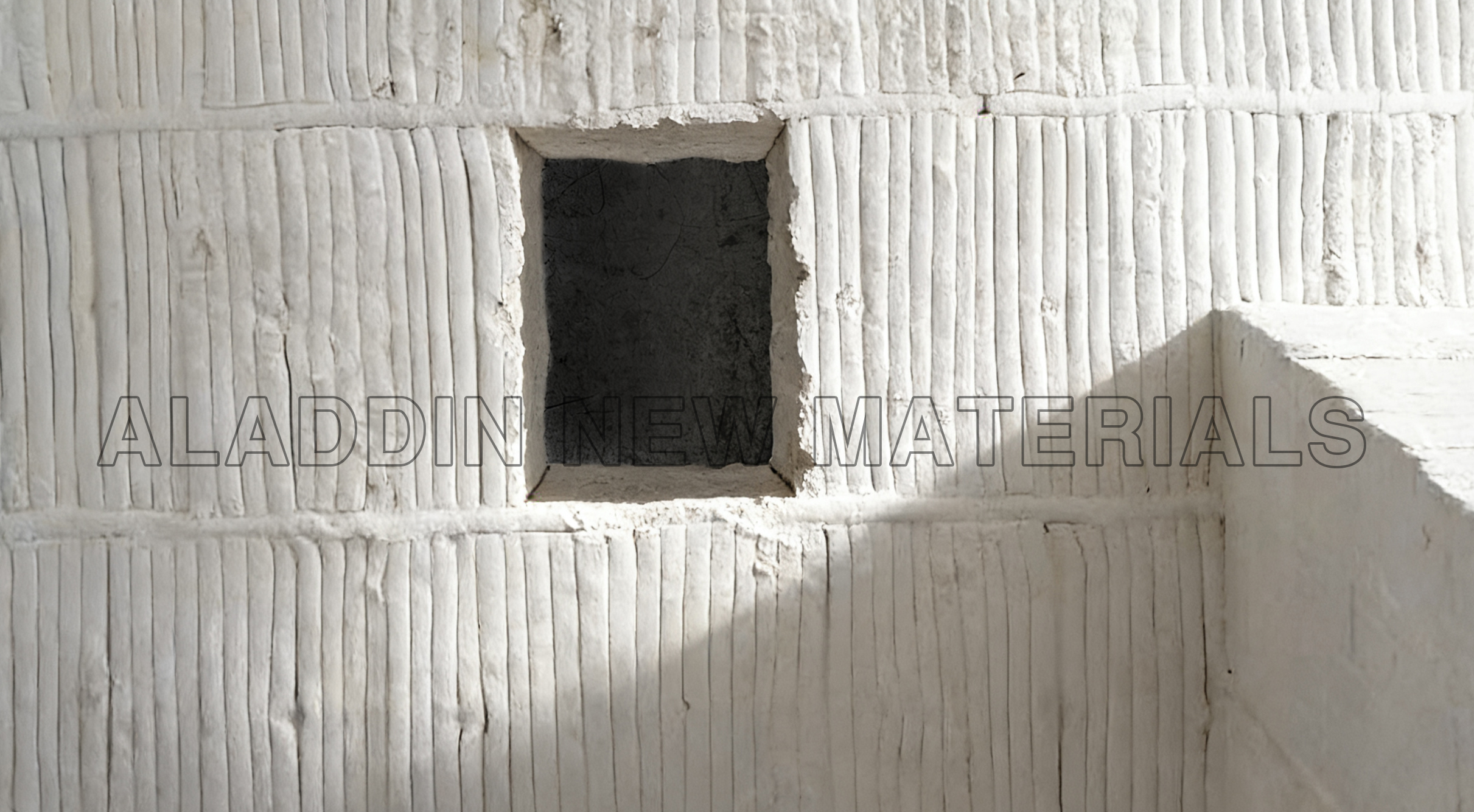
In the preheating zone, they form kiln gas curtains to effectively isolate the kiln from the outside and reduce heat loss.
In the drying zone, they minimize thermal stratification of hot airflows, promote uniform temperature distribution, and prevent product cracking caused by excessive temperature differences.
In the firing zone, ceramic fiber boards regulate kiln pressure and increase turbulence in hot flue gases, thereby reducing temperature variations across the same cross-section.
In the cooling zone, properly installed ceramic fiber flame baffles regulate temperatures to ensure product quality and prevent cracking due to overly rapid cooling.
2 to 3 flame baffles in the preheating zone;
1 flame baffle at the junction of the preheating zone and the low-temperature section of the firing zone;
1 to 2 flame baffles in the mid-to high-temperature sections of the firing zone;
1 to 2 flame baffles at the junction of the high-temperature section of the firing zone and the quenching section of the cooling zone;
1 to 2 flame baffles at the junction of the quenching and slow-cooling sections of the cooling zone;
3 to 5 flame baffles in the slow-cooling section of the cooling zone.
LiveChatX
 Send Email
 WhatsApp