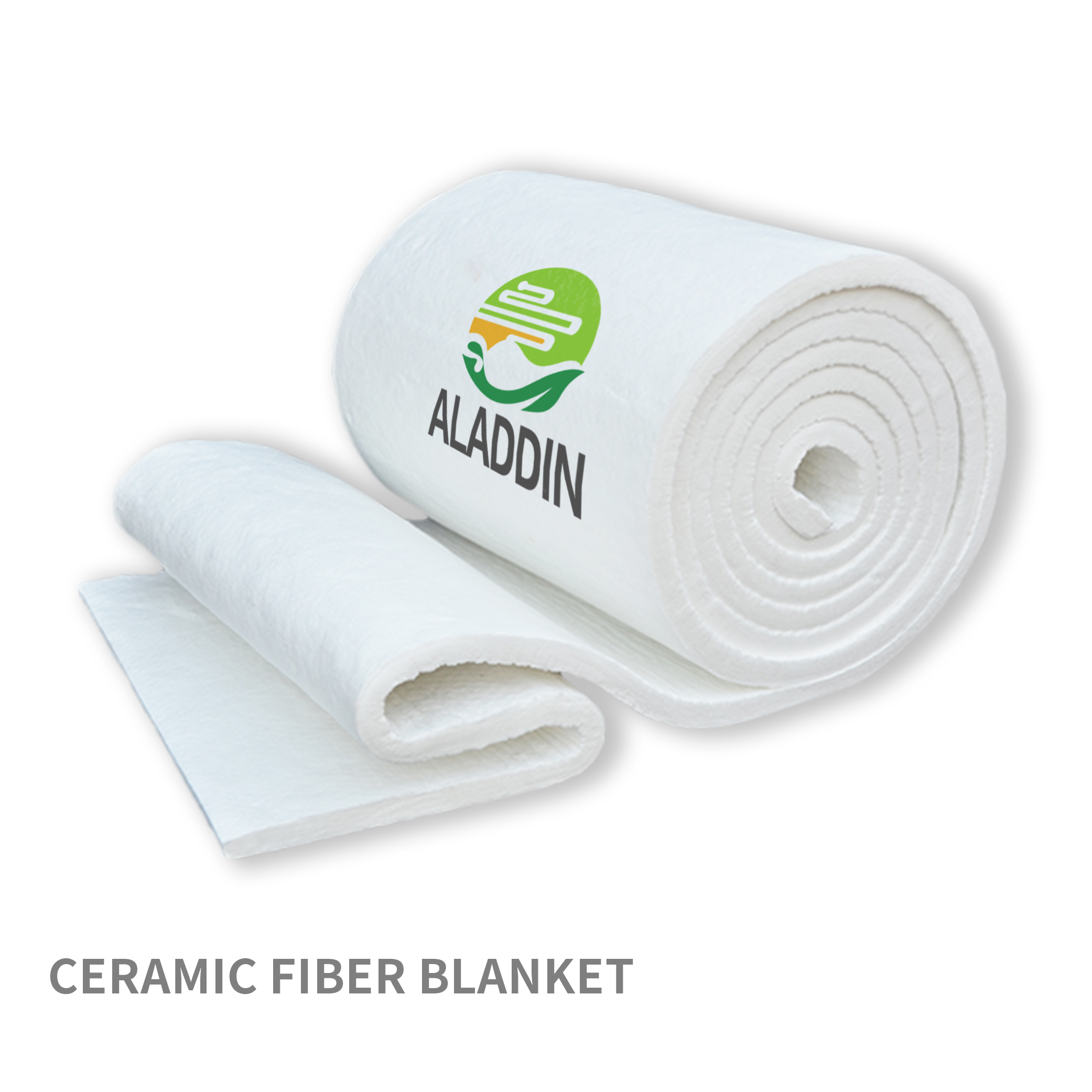
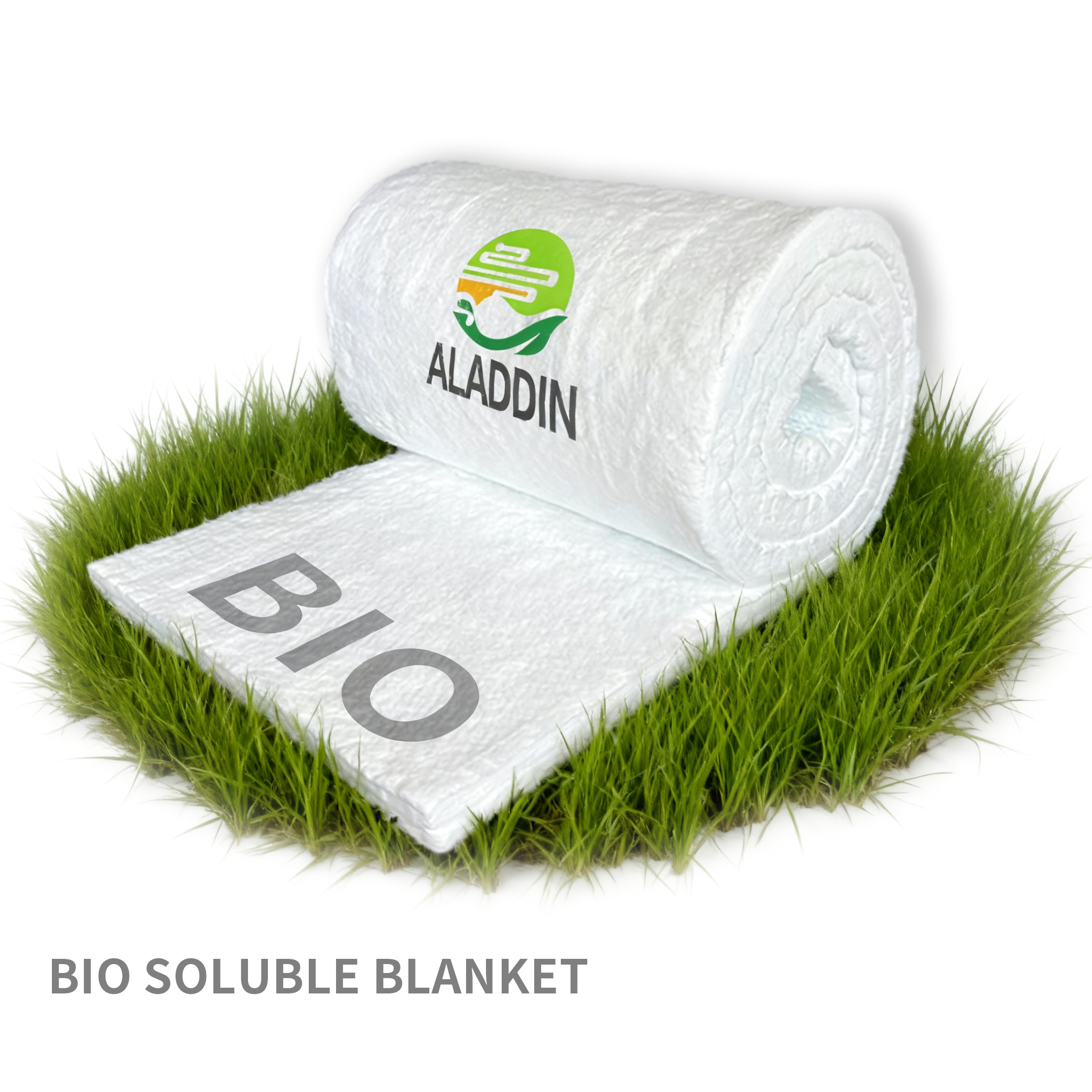
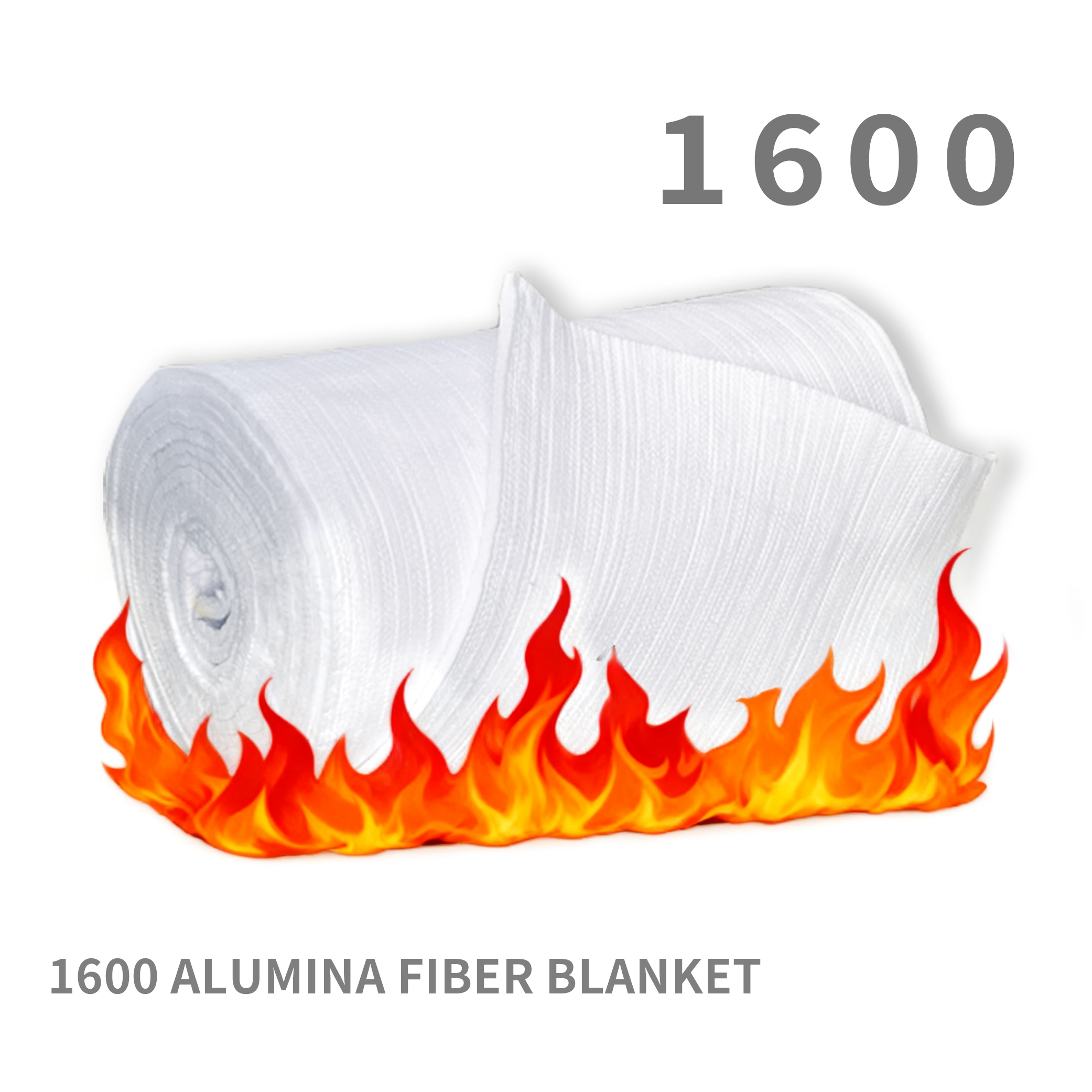
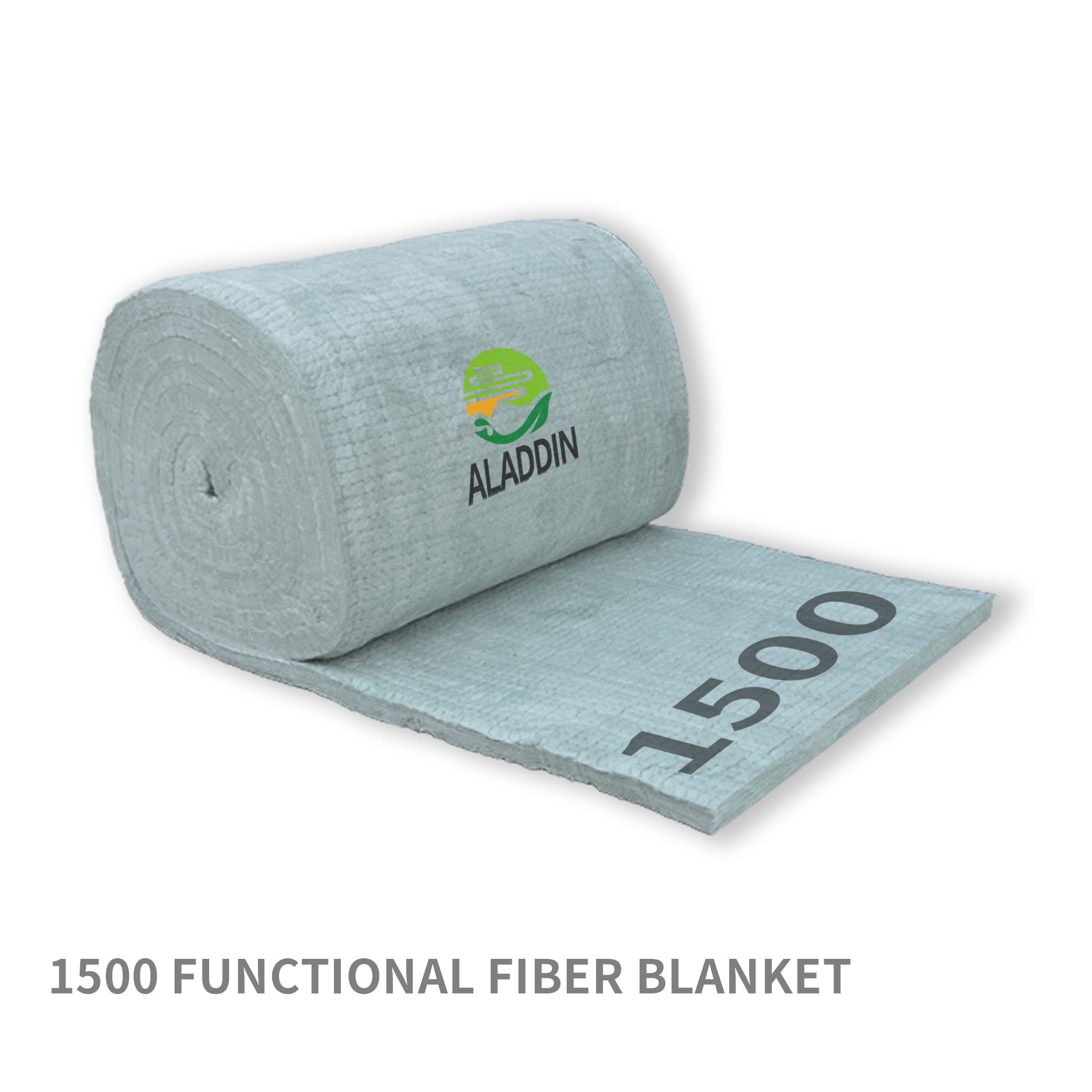
Ceramic fiber material is a lightweight and highly efficient thermal insulation material. Compared with traditional insulation materials, it possesses exclusive superior thermal insulation advantages. Let Aladdin take you through the details.
1. Light Weight
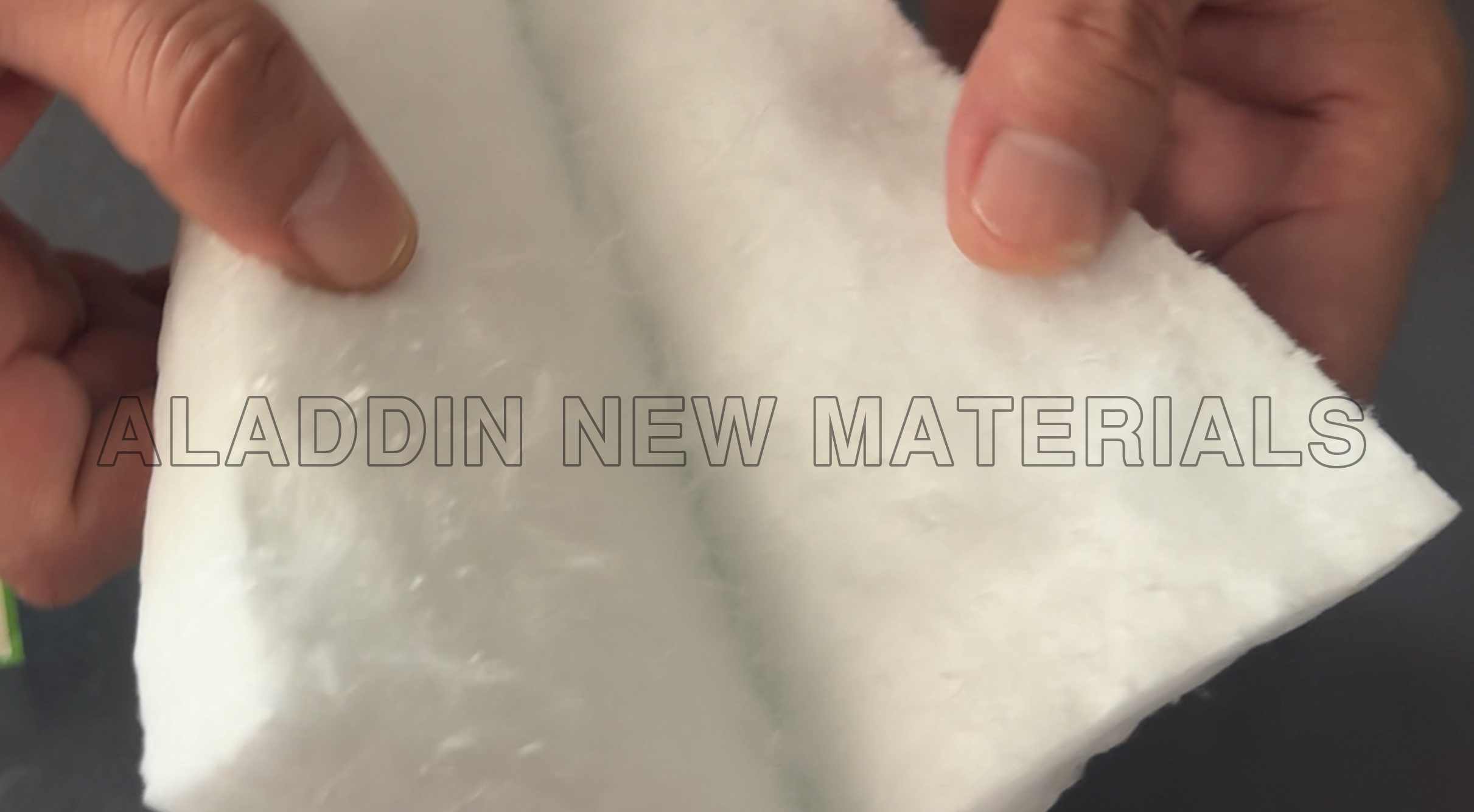
The weight of ceramic fiber insulation material is one-sixth that of lightweight refractory bricks of the same volume. Furnaces lined with ceramic fiber products are 2 to 3 times lighter than those insulated with conventional insulation bricks. Weight is positively correlated with heat storage capacity. The reduced weight leads to lower heat capacity and less heat accumulation. Therefore, ceramic fiber is ideal for intermittently operated furnaces such as heat treatment furnaces.
2. Excellent Thermal Insulation Performance
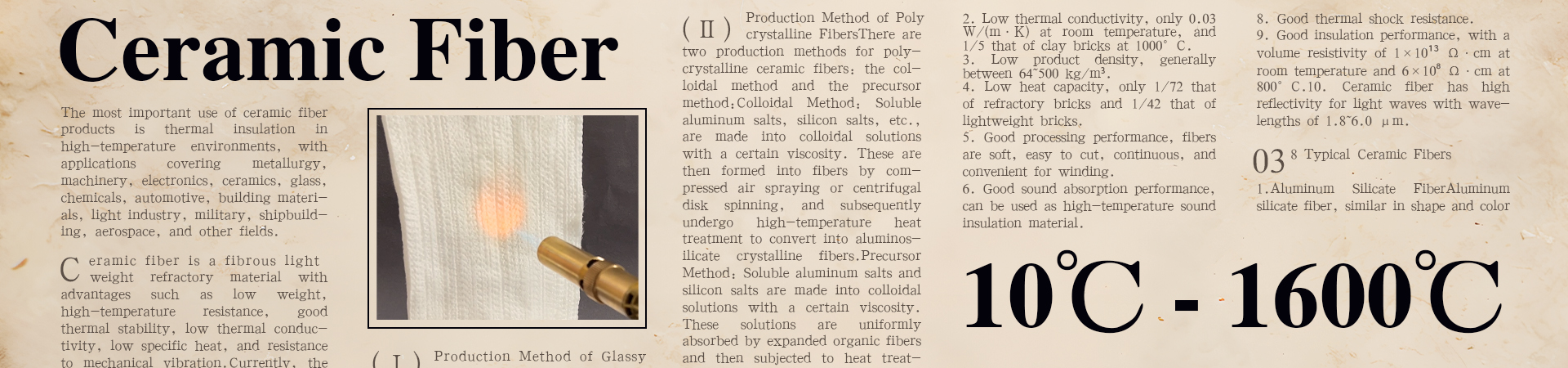
Its thermal conductivity is 75% to 100% lower than that of lightweight clay bricks and diatomite bricks, allowing thinner furnace lining design. Insulation performance is related to material density. Within a certain range, thermal conductivity drops as density rises, while excessive density will bring thermal conductivity close to that of refractory bricks.
3. Superior Thermal Stability
Featuring flexibility and elasticity, ceramic fiber avoids thermal stress issues under high temperatures. Furnaces built with refractory bricks and castables require rigid steel structures for support. By contrast, ceramic fiber lining can be fixed easily, bringing revolutionary changes to furnace design and construction.
4. Good Chemical Stability
It resists corrosion by most chemical substances, except hydrofluoric acid, phosphoric acid and strong alkalis. Impurities like titanium dioxide and ferric oxide inside the material may be reduced by carbon monoxide under strong reducing atmosphere. Thus low-impurity ceramic fiber products are recommended for annealing furnaces.
5. Easy Processing
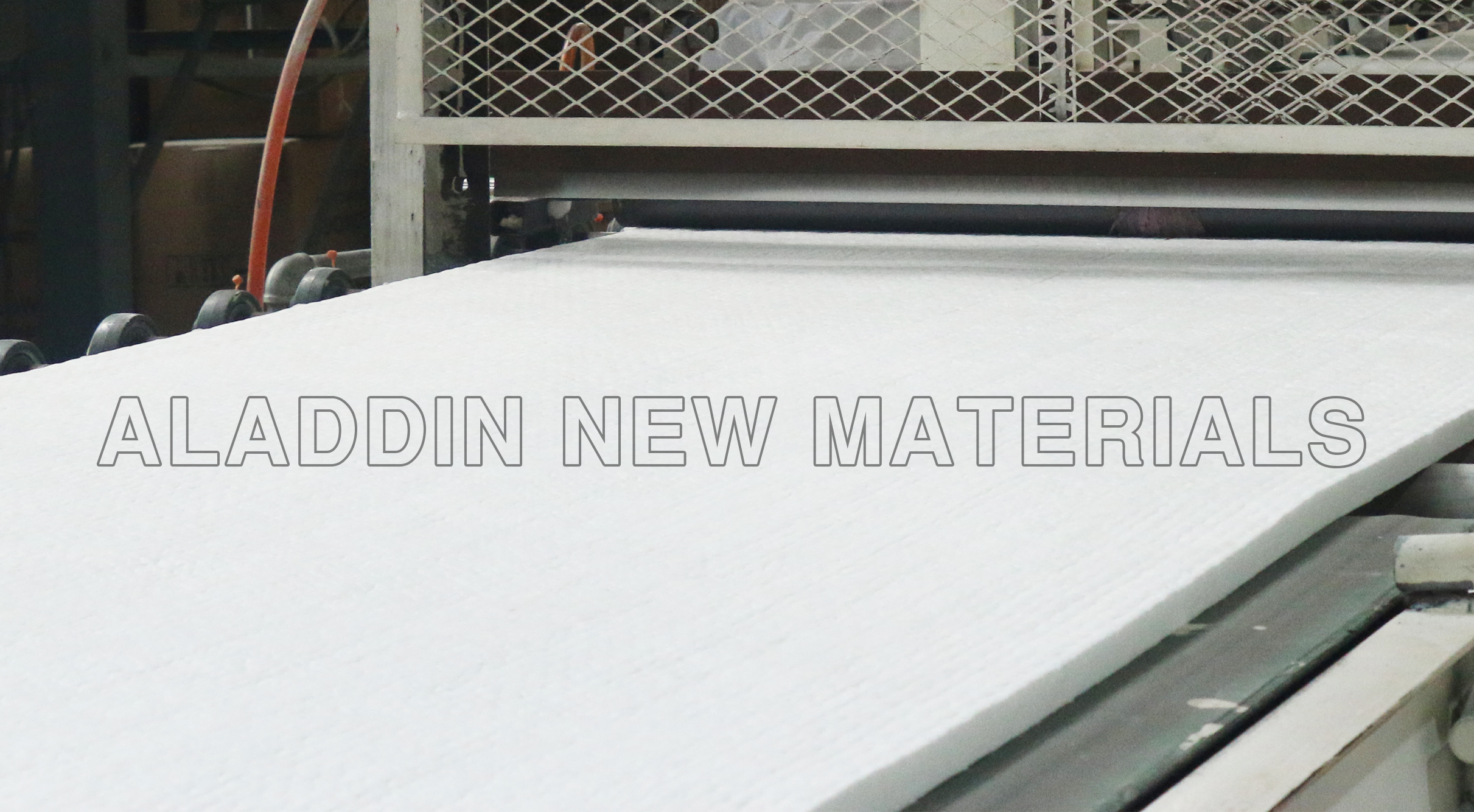
Ceramic fiber products can be cut, sheared and bent into arbitrary shapes. The lining installation, maintenance and replacement are simple. The material is not resistant to impact and abrasion. No cement mortar is needed during construction. Prefabricated assembly is applicable to greatly accelerate construction progress. Common construction methods include layering, facing and embedding.
 Send Email
 WhatsApp