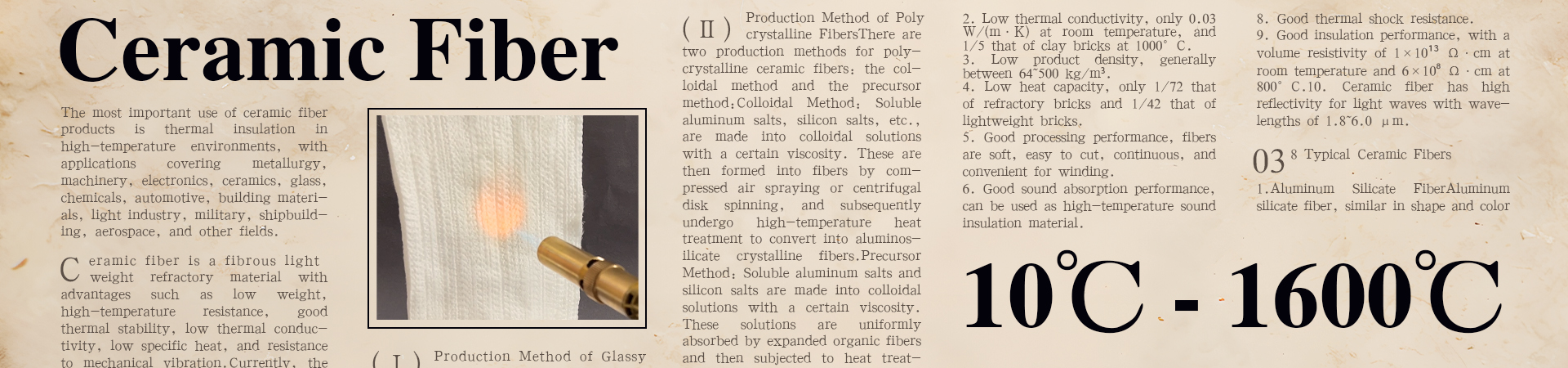
Ⅰ Thermal Insulation Performance of Ceramic Fiber Modules
1. Low Thermal Conductivity
Ceramic fiber modules feature extremely low thermal conductivity, which can effectively block heat transfer and deliver reliable thermal insulation protection in high-temperature environments.
2. Excellent Fire Resistance
They can withstand temperatures above 1000℃, are non-flammable, and effectively resist erosion from flames and molten metal.
3. Excellent Heat Loss Prevention
They can greatly reduce heat dissipation, and are widely used for thermal insulation of industrial equipment, furnace linings, pipelines and other high-temperature facilities.
4. Good Thermal Shock Resistance
They possess strong resistance to external vibration and impact, ensuring stable thermal insulation service in vibration-prone working conditions.
In short, Aladdin ceramic fiber modules own outstanding thermal insulation performance and broad application prospects in high-temperature fields. Below are the main factors affecting their insulation effect.
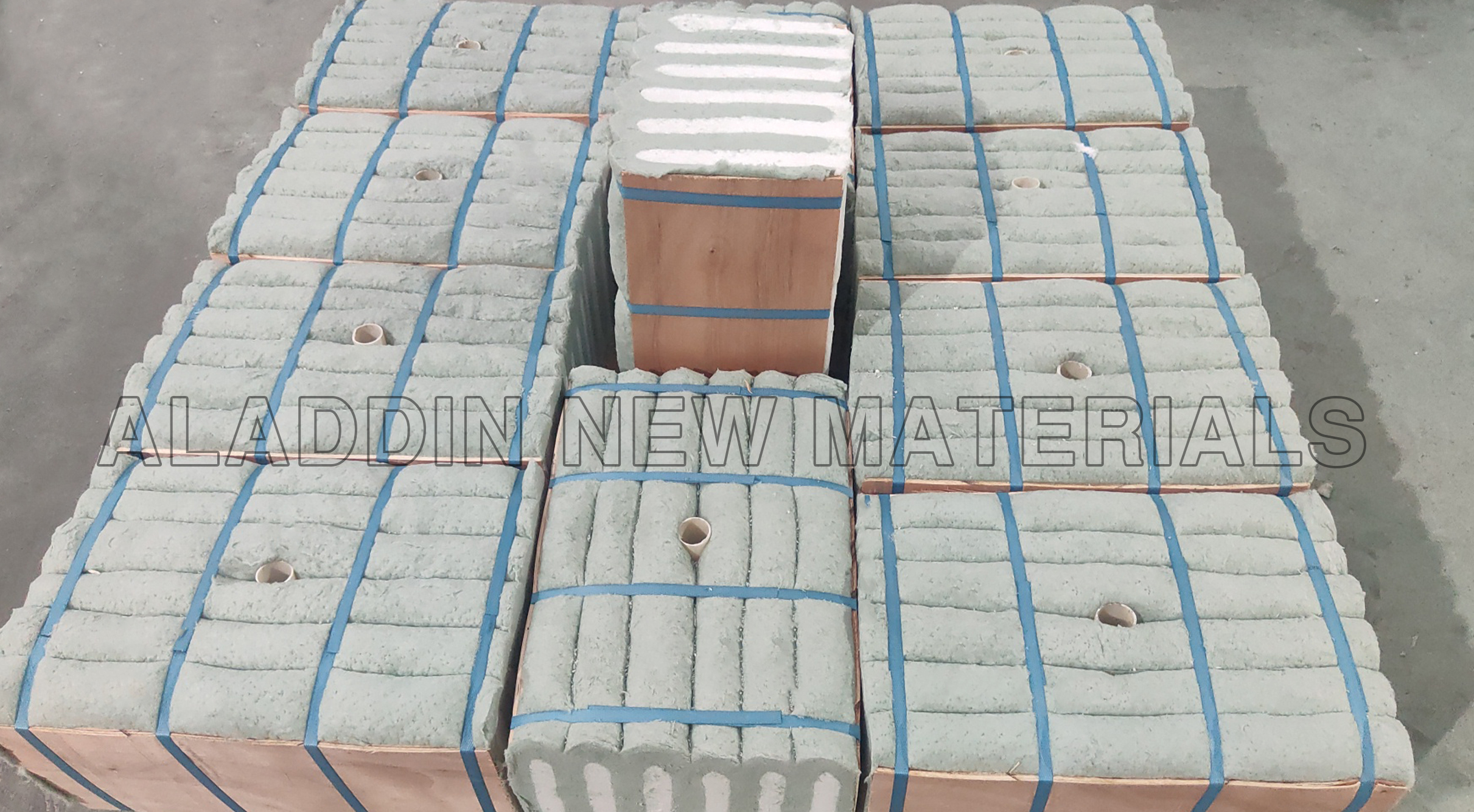
Ⅱ Factors Affecting Thermal Insulation Performance of Ceramic Fiber Modules
Fiber raw material: The insulation effect is closely related to the thermal conductivity of fiber materials. Lower thermal conductivity means better heat insulation.
Fiber density: The density shall be designed reasonably according to actual working conditions; higher density does not equal better performance.
Module thickness: Thicker modules generally achieve better thermal insulation effect.
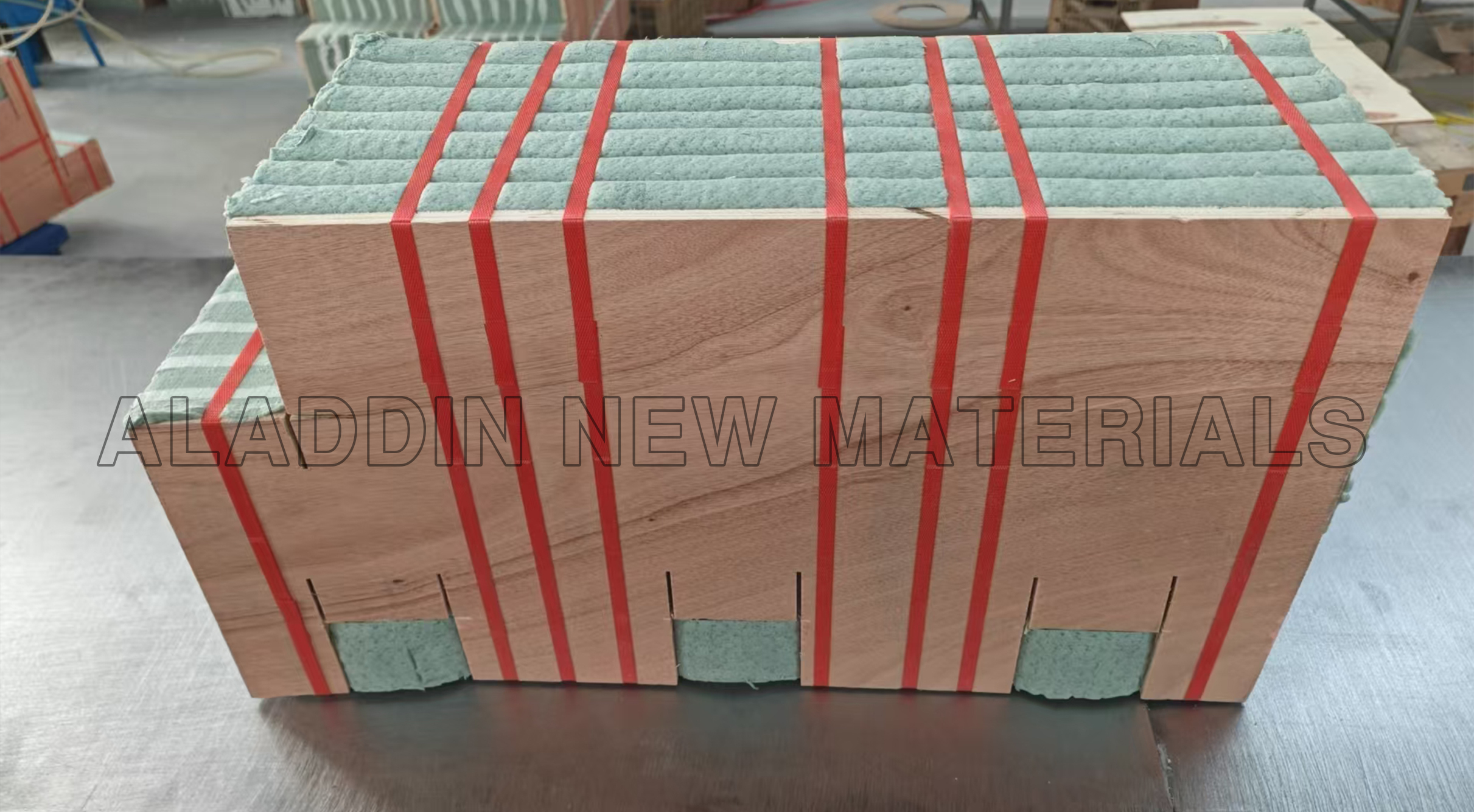
Installation method and structural design: Scientific installation and structure can reduce thermal bridge effect and improve overall insulation performance.
Service environment: Extreme working conditions such as ultra-high temperature and high pressure will exert certain influence on its thermal insulation performance.
LiveChatX
 Send Email
 WhatsApp