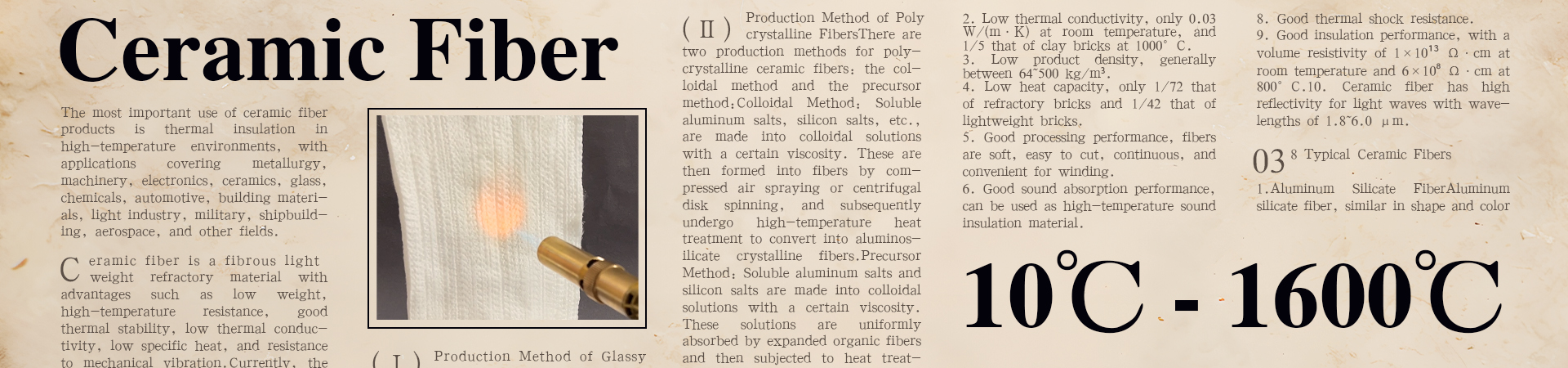
The main purpose of thermal insulation is to reduce heat loss of heat medium during transportation, save fuel and maintain stable temperature. Ceramic fiber module is a lightweight, energy-saving and consumption-reducing refractory thermal insulation material widely used in modern industrial furnaces.
How excellent are the thermal insulation performances of ceramic fiber modules? Aladdin will analyze it from the following aspects:
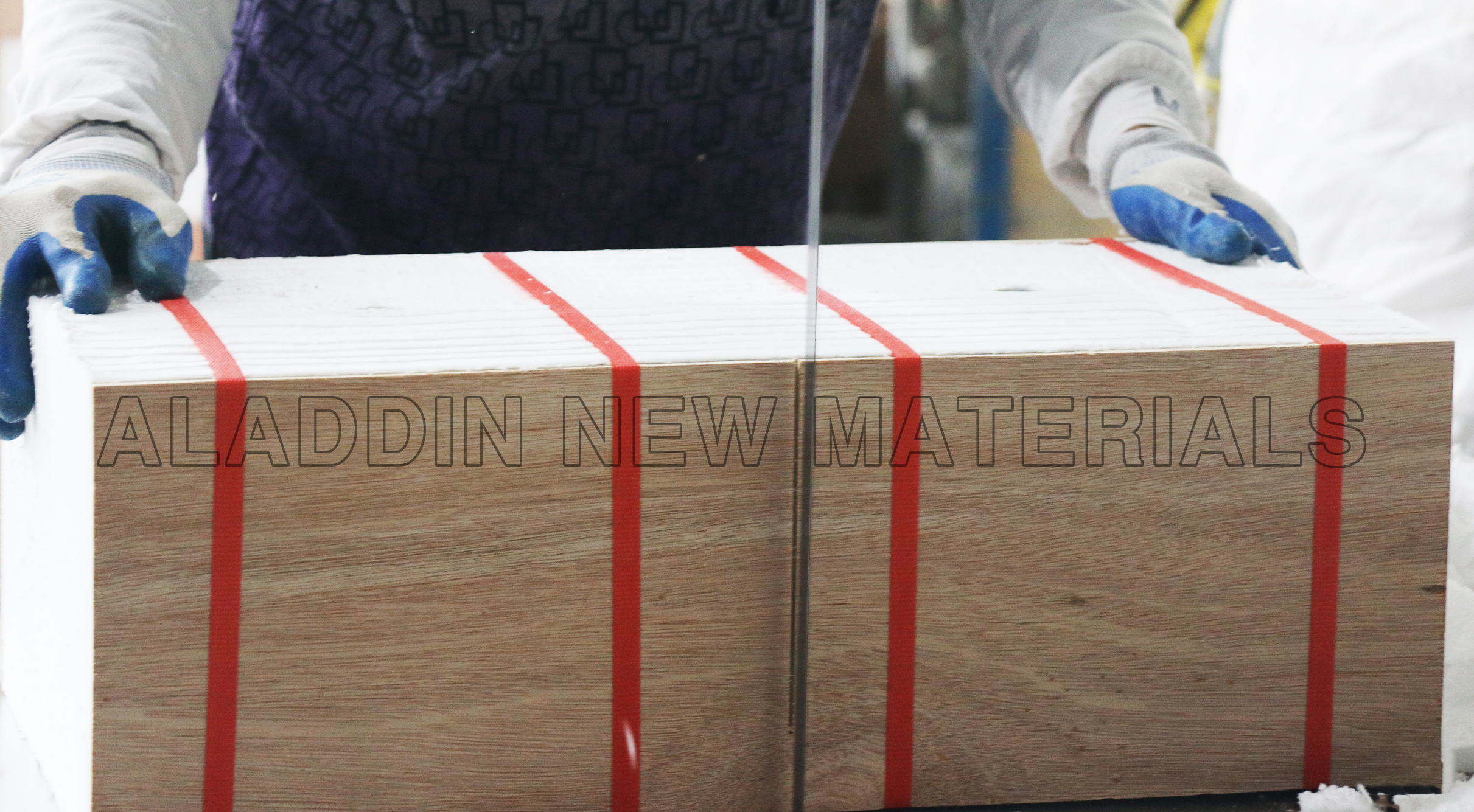
1. Thermal Conductivity
It is a parameter reflecting the heat transfer capacity of thermal insulation materials and one of the key thermophysical properties. The thermal conductivity of ceramic fiber modules is about 0.16 W/(m·K) at 600℃.
2. Bulk Density
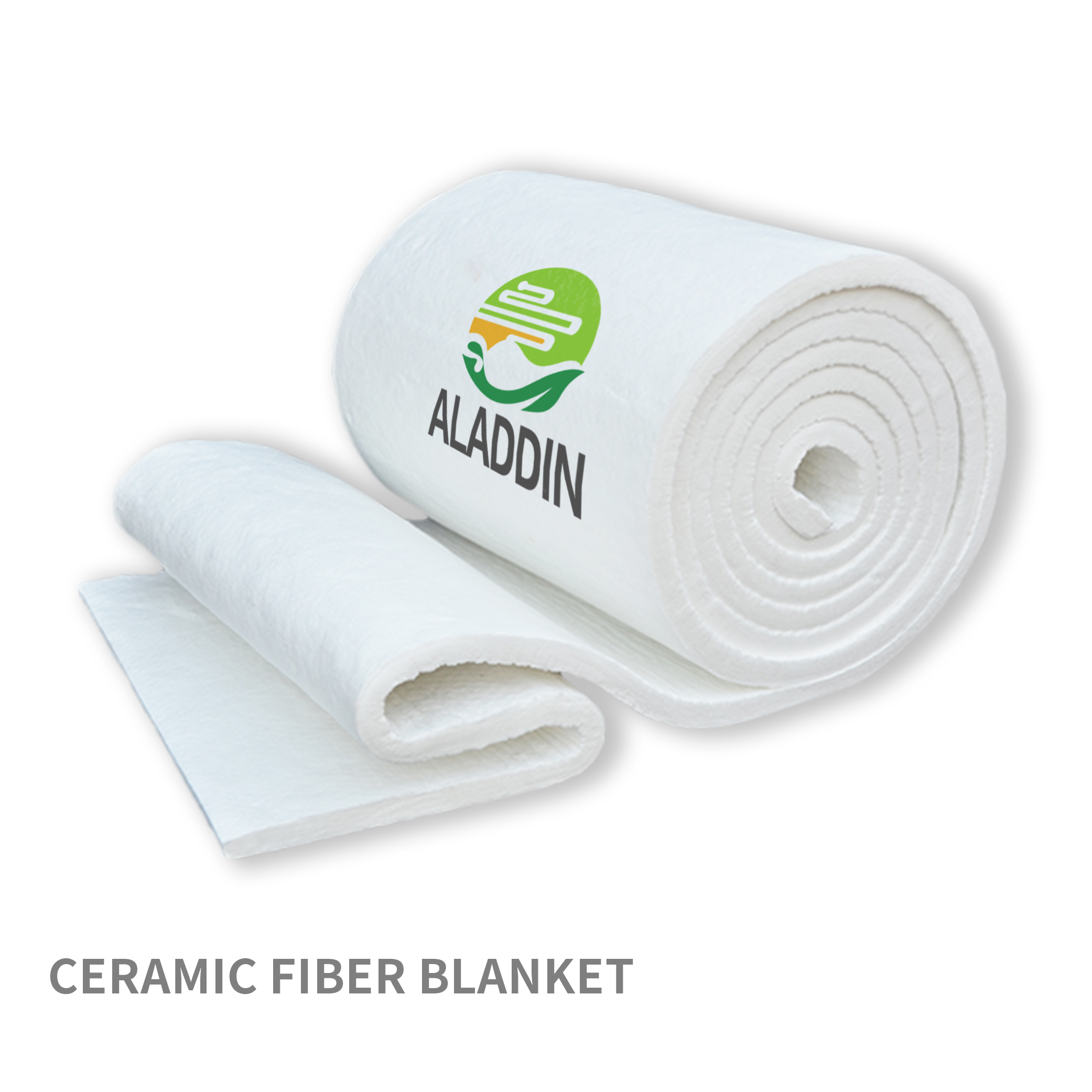
Every thermal insulation material has an optimal bulk density range with low thermal conductivity and superior heat preservation effect. To save energy and reduce structural load, low-density insulation materials are preferred in engineering applications. The bulk density of soft insulation materials is generally no more than 150kg/m³. The bulk density of ceramic fiber blanket is around 128kg/m³, and that of finished ceramic fiber modules ranges from 210kg/m³ to 220kg/m³.
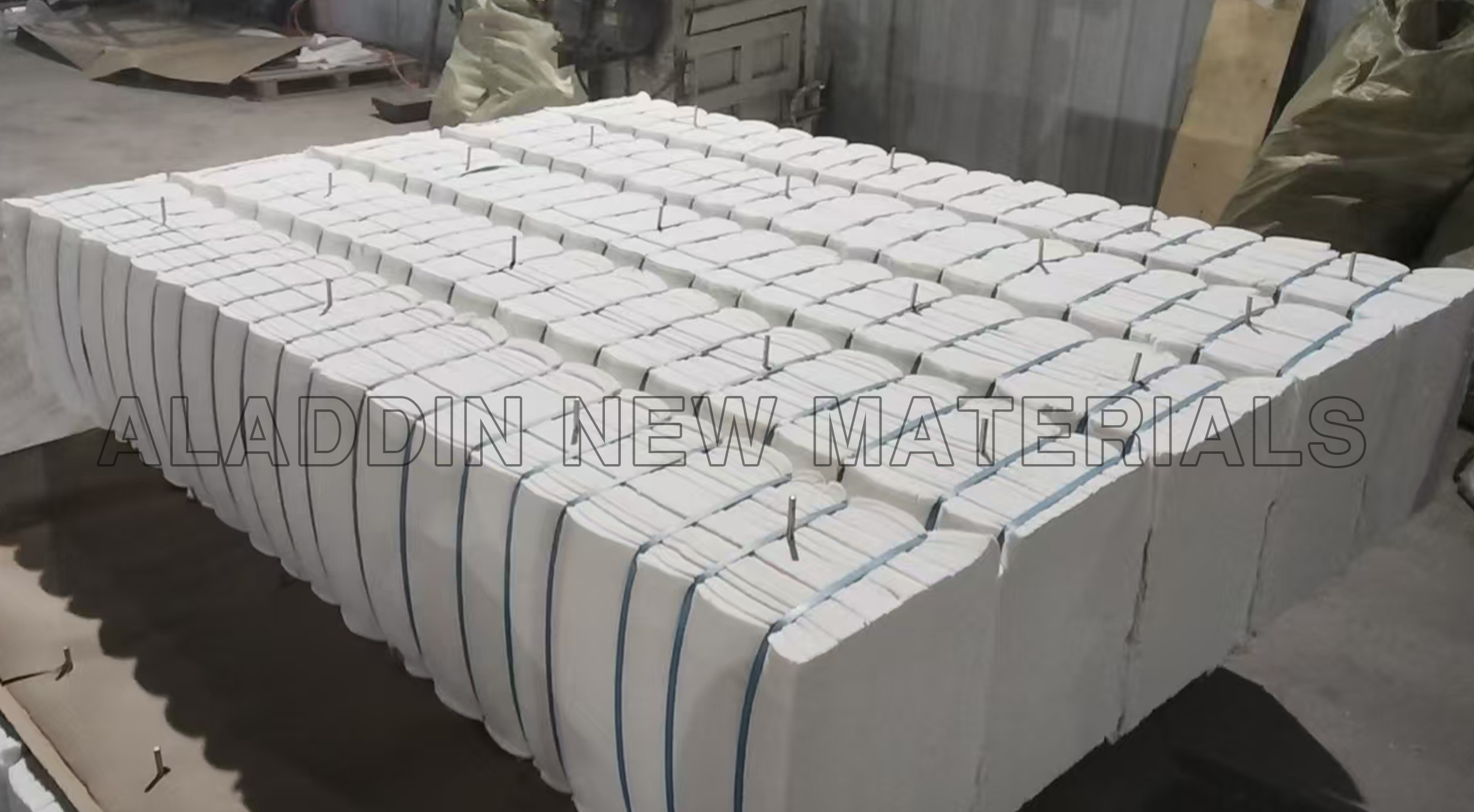
3. High Service Temperature
It refers to the maximum temperature that insulation materials can withstand for long-term stable operation. The long-term service temperature of ceramic fiber modules is between 850℃ and 1300℃, ranking among high-temperature resistant insulation materials next only to mullite fiber products.
4. Compressive Strength
As soft and loose thermal insulation materials, ceramic fiber modules will not be damaged under compression load.
5. Linear Expansion Coefficient
Materials with high linear expansion coefficient are prone to internal deformation and structural damage under high temperature. Differently, ceramic fiber modules do not expand when heated, with linear shrinkage rate less than 3%. No expansion joints are required during installation, and dense compaction is acceptable.
6. Chemical Stability
Insulation materials need excellent chemical stability to adapt to diverse working conditions. Ceramic fiber modules feature outstanding acid and alkali resistance, corrosion resistance and anti-oxidation performance.
7. Insulation Layer Thickness
To minimize heat dissipation loss, the thickness of insulation layer shall be calculated in accordance with the economic thickness standard. Custom sizes of ceramic fiber modules are available to suit various working environments.
In conclusion, ceramic fiber modules possess remarkably superior thermal insulation performance compared with other common insulation materials.
LiveChatX
 Send Email
 WhatsApp