Ceramic fiber modules are fibrous refractory materials with superior thermal insulation performance compared with ordinary low thermal conductivity refractory materials.
The excellent thermal insulation performance of ceramic fiber stems from its low thermal conductivity and low heat storage capacity.
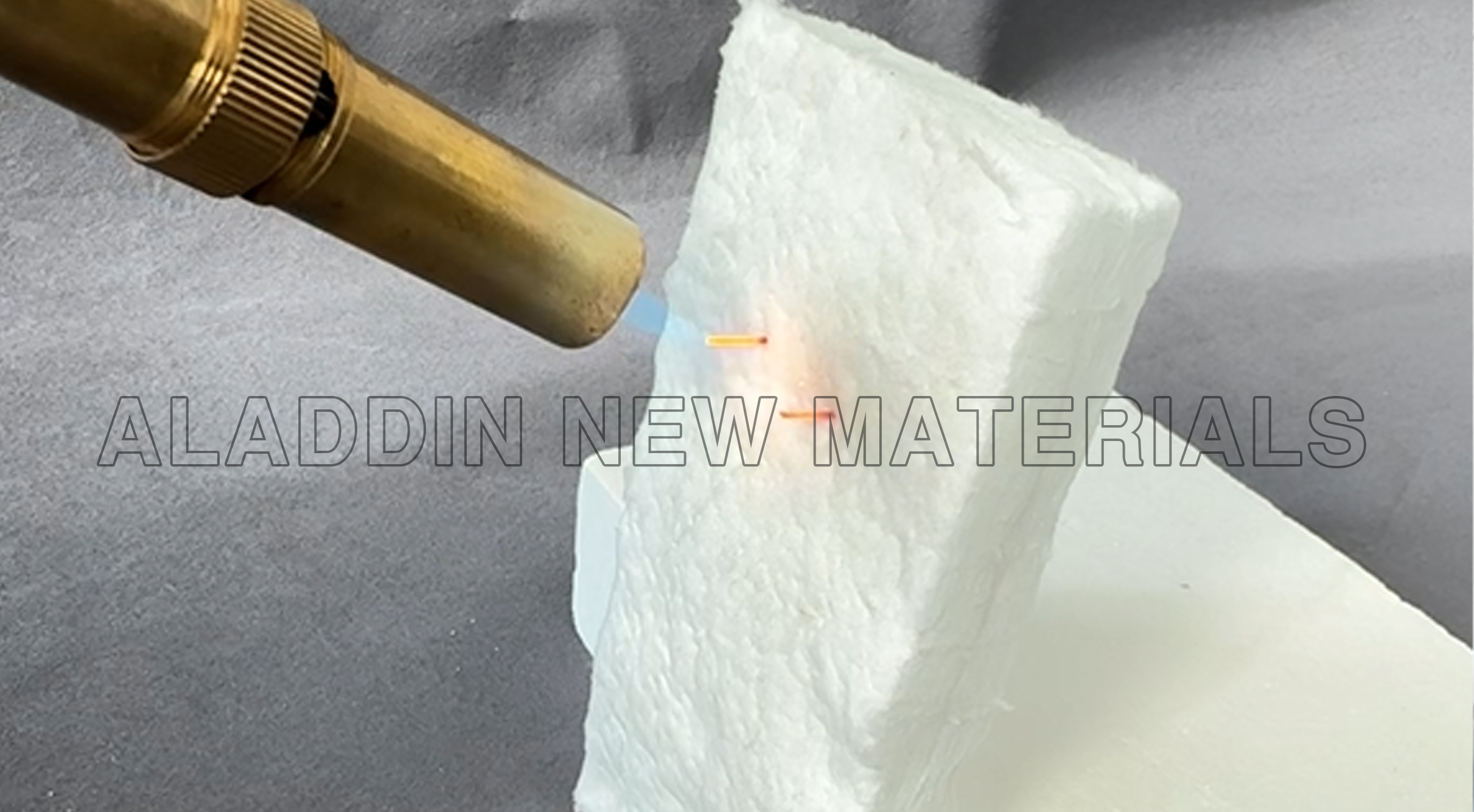
Ceramic fiber modules feature a composite structure composed of solid fibers and air, with a porosity of over 90% and a thermal conductivity close to that of air.
The thermal conductivity of still air at room temperature is only 0.0267 W/(m·K).
Therefore, ceramic fiber is a thermal insulation material with low thermal conductivity and low heat capacity.
The thermal conductivity of ceramic fiber is a variable parameter, which is affected by temperature, bulk density, shot content, fiber diameter, moisture content, fiber orientation and service atmosphere.

a. The thermal conductivity of ceramic fiber and its products increases with the rise of temperature.
b. For ceramic fiber and its rigid products with a bulk density less than 0.35 g/cm³, the thermal conductivity decreases as the density increases.
c. For ceramic fiber and its rigid products with a bulk density greater than 0.35 g/cm³, the thermal conductivity increases as the density increases.
d. For ceramic fiber and its flexible products with a bulk density less than 0.096 g/cm³, the thermal conductivity increases as the density decreases.
e. For ceramic fiber and its flexible products with a bulk density less than 0.096 g/cm³, the thermal conductivity decreases as the density increases.
f. When the bulk density reaches 0.24~0.35 g/cm³, the thermal conductivity no longer decreases and tends to rise instead.
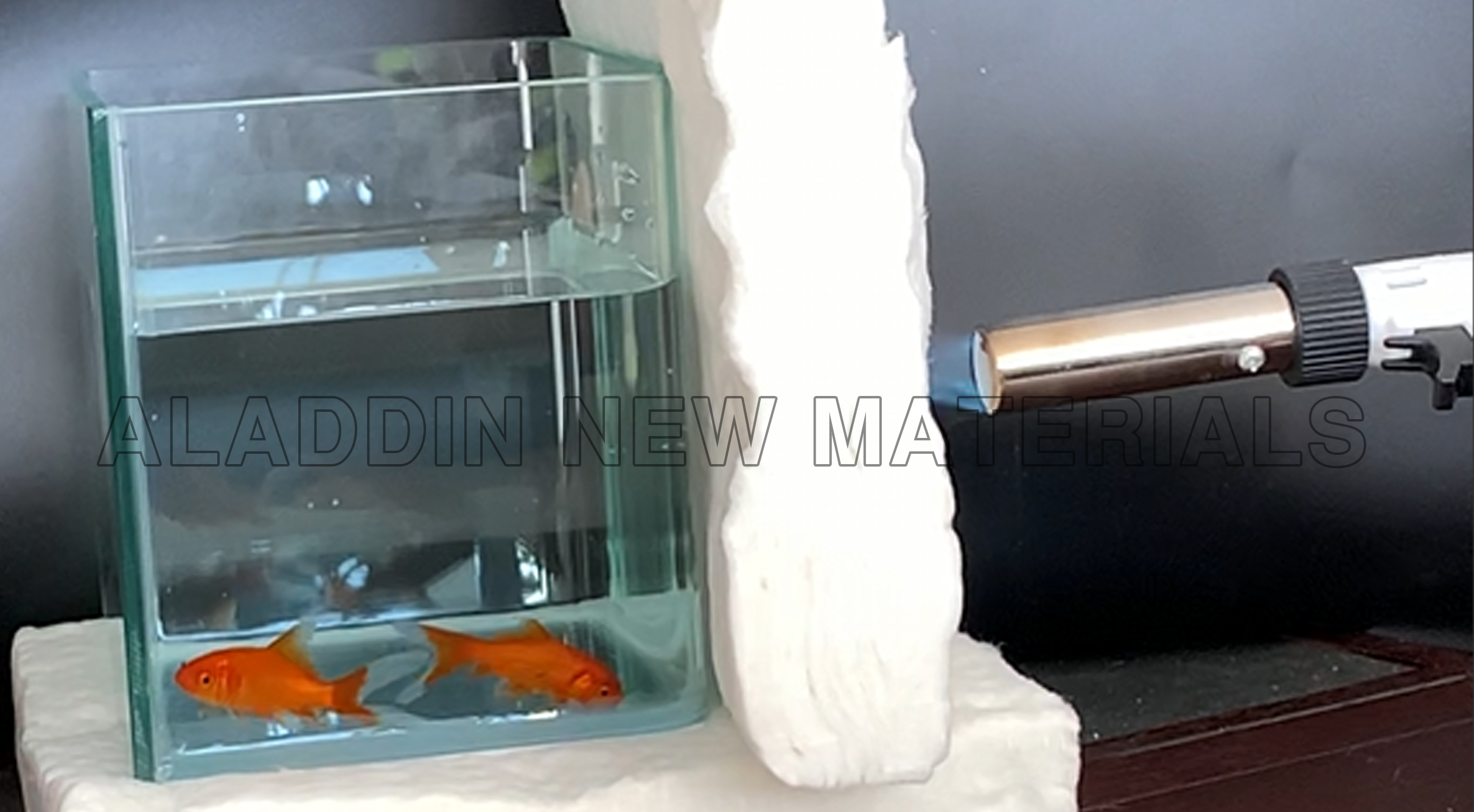
g. At a given bulk density, the thermal conductivity increases with the rise of shot content.
h. At a given bulk density, the smaller the fiber diameter, the lower the thermal conductivity.
i. At a given bulk density, the higher the fiber moisture content, the greater the thermal conductivity.
j. At a given bulk density, the thermal conductivity when the heat flow direction is perpendicular to the fibers is higher than that when the heat flow is parallel to the fibers.
k. At a given bulk density, the higher the thermal conductivity of gas in the service atmosphere, the higher the thermal conductivity of ceramic fiber.
 Send Email
 WhatsApp