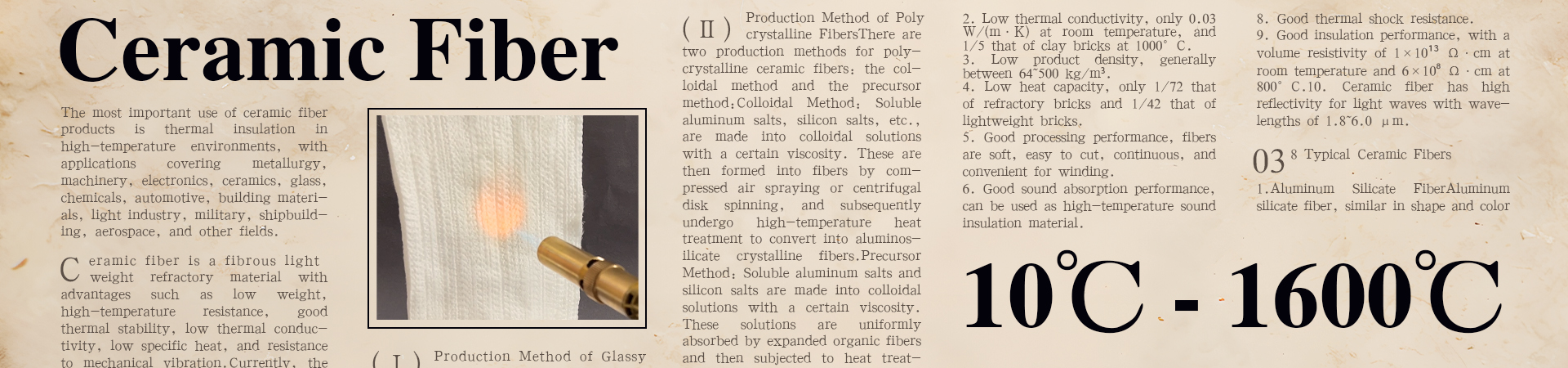
For the oil refining and chemical industry, the operating temperature of heating furnaces is extremely high, reaching up to 1350℃. Traditional masonry structures for high‑temperature heating furnaces have many defects and require urgent improvement and optimization. Practice has proven that replacing conventional heavy refractory materials with ceramic fiber as furnace lining offers broad application prospects.
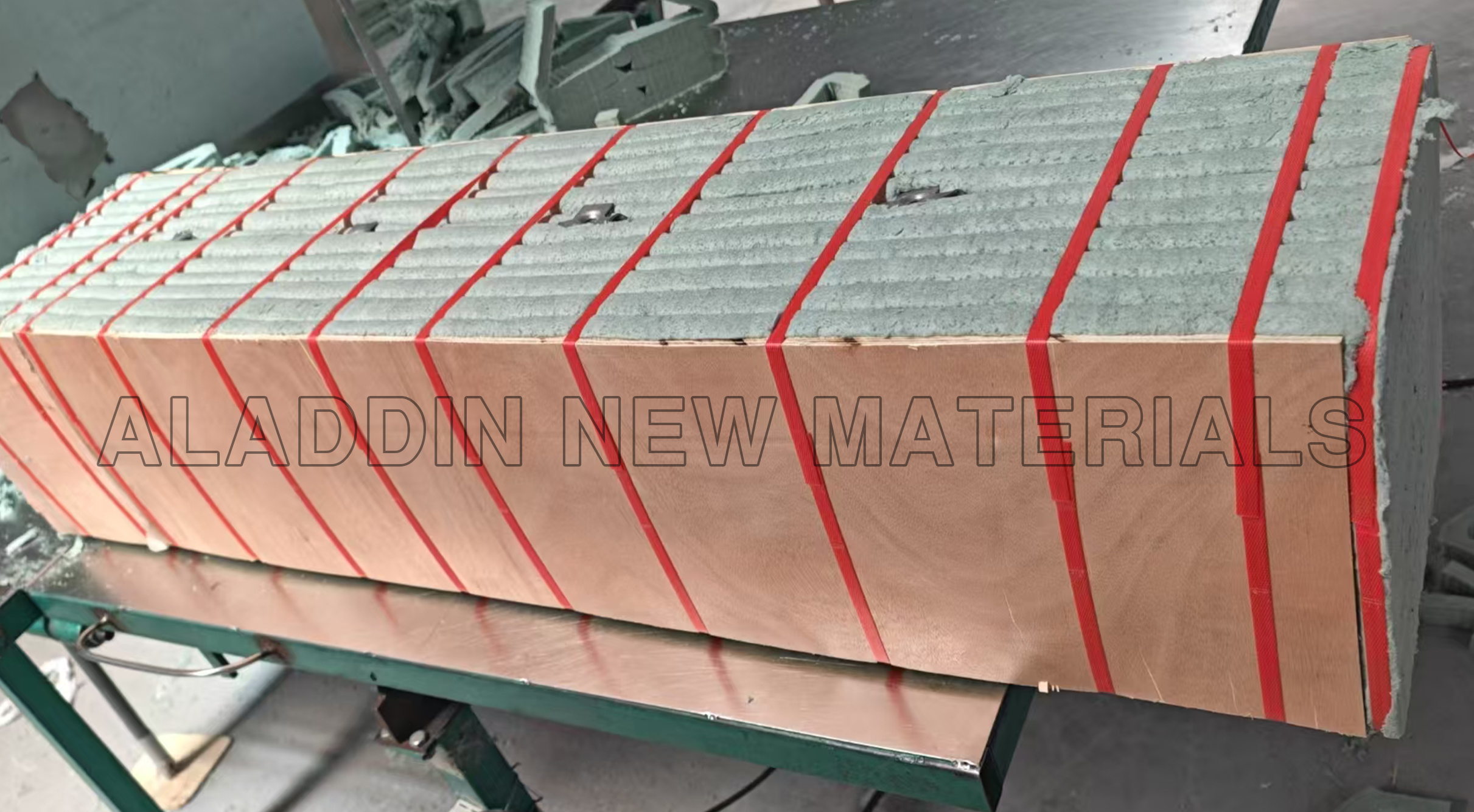
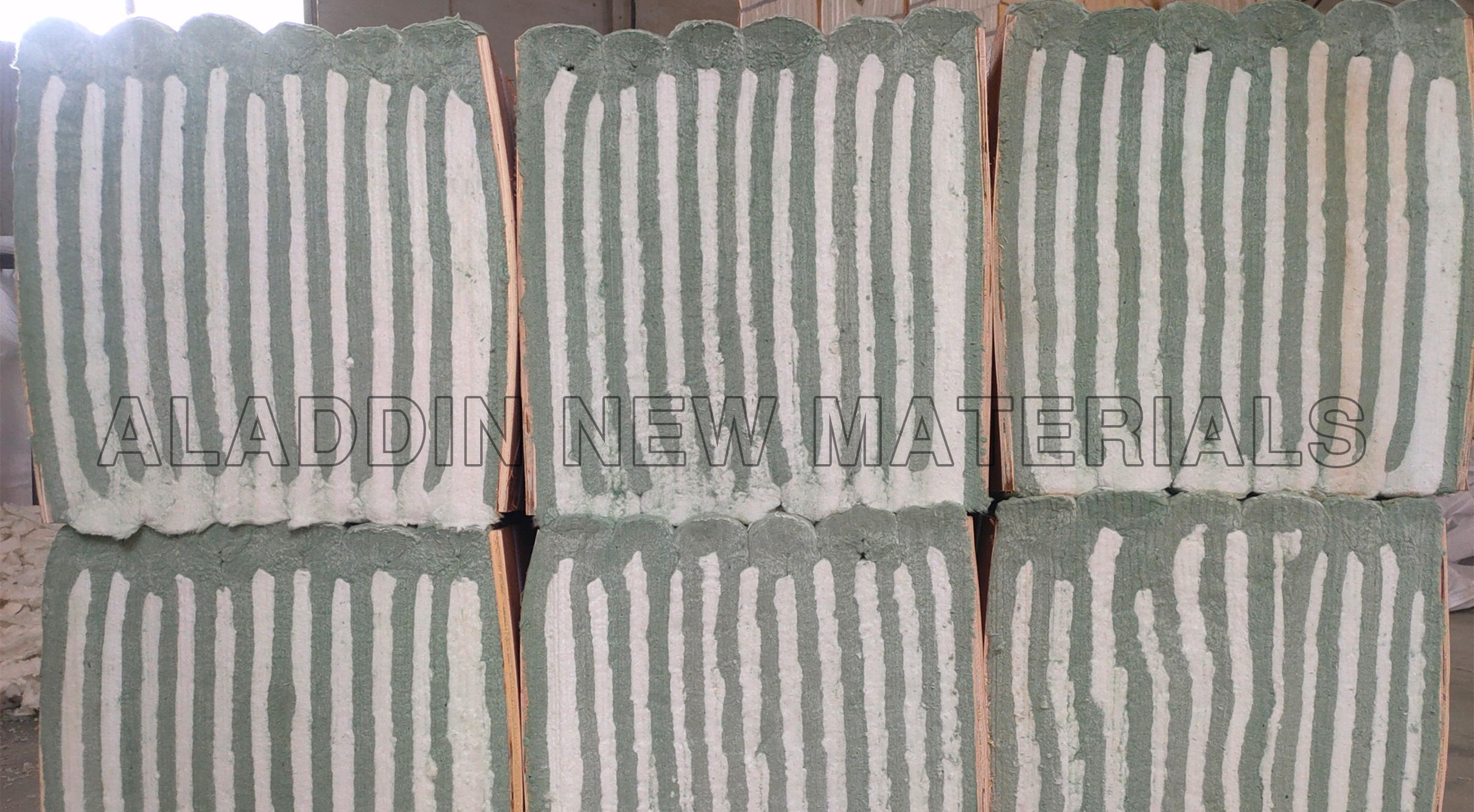
Lining Method
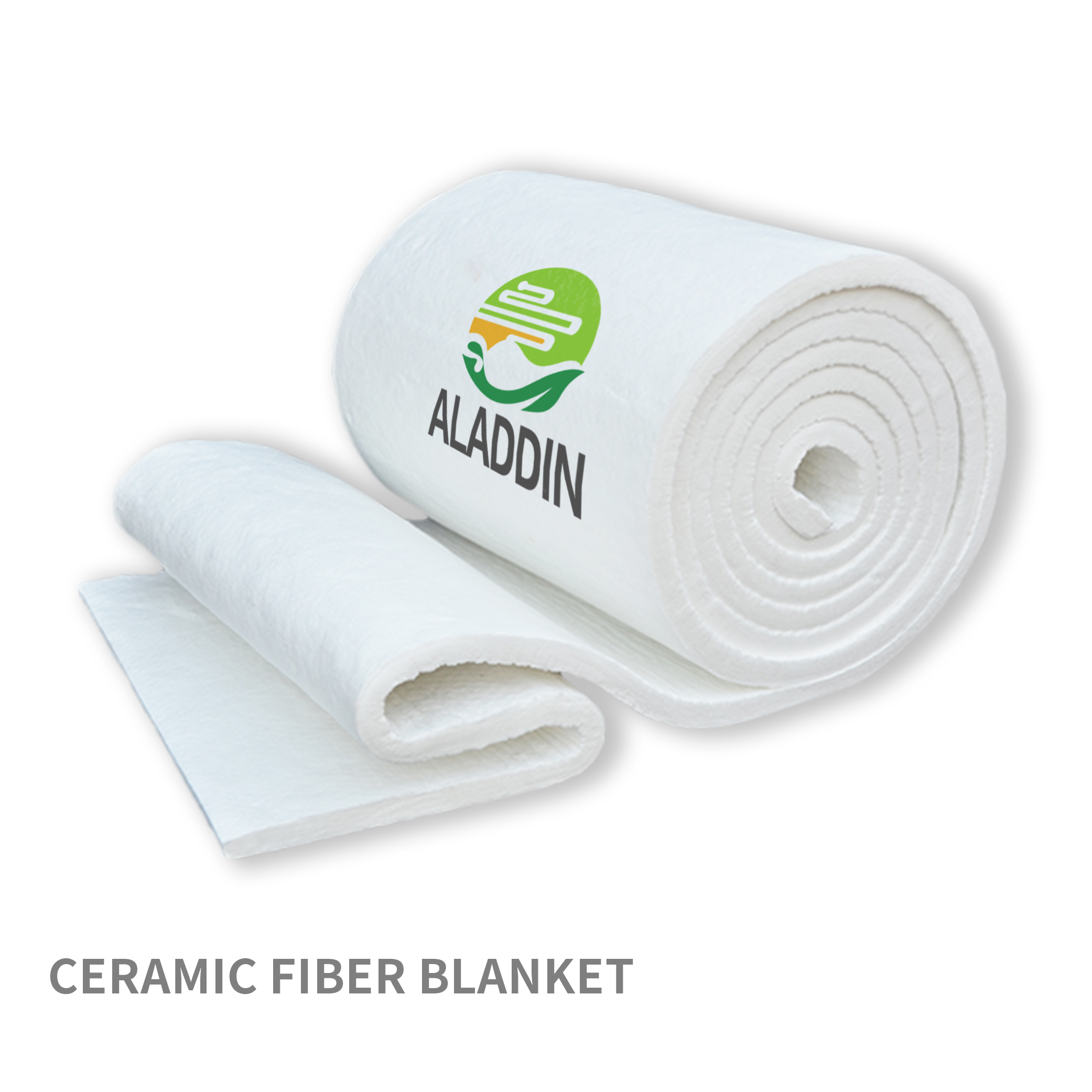
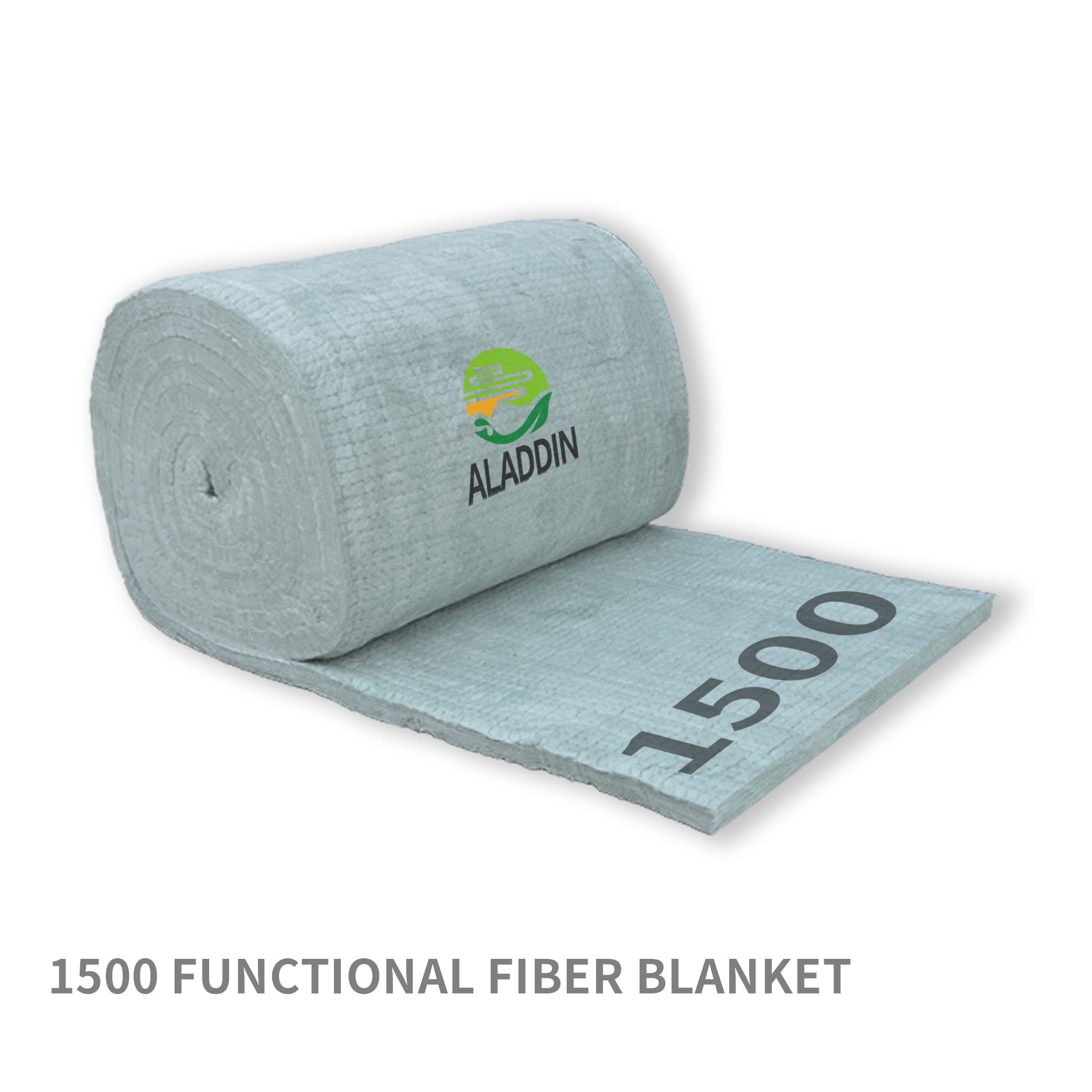
The combined lining structure adopts ceramic fiber modules together with layered ceramic fiber blanket as the back lining, which effectively improves the overall integrity of the furnace lining.
Application Characteristics
It features excellent chemical stability and thermal stability, as well as good elasticity. The modules are pre-compressed. After the furnace lining construction is completed, the expansion of modules eliminates lining gaps and compensates for fiber shrinkage, greatly improving thermal insulation performance and overall structure stability.With outstanding thermal stability and thermal shock resistance, ceramic fiber modules enable fast on-site installation. Besides, anchors are arranged on the cold side of the lining, lowering the material grade requirement for fasteners. Customized thermal insulation design and on-site construction training can be provided as required.
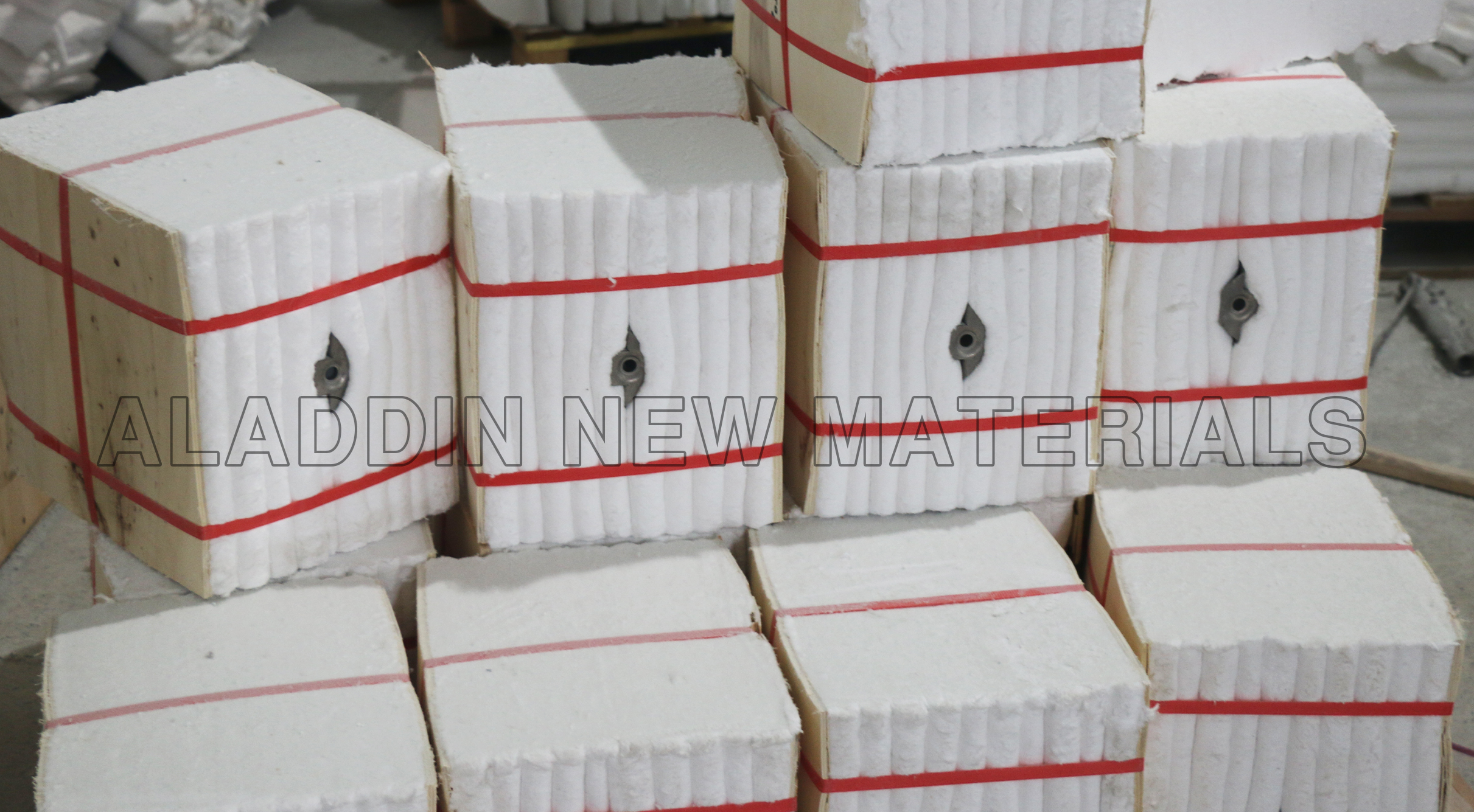
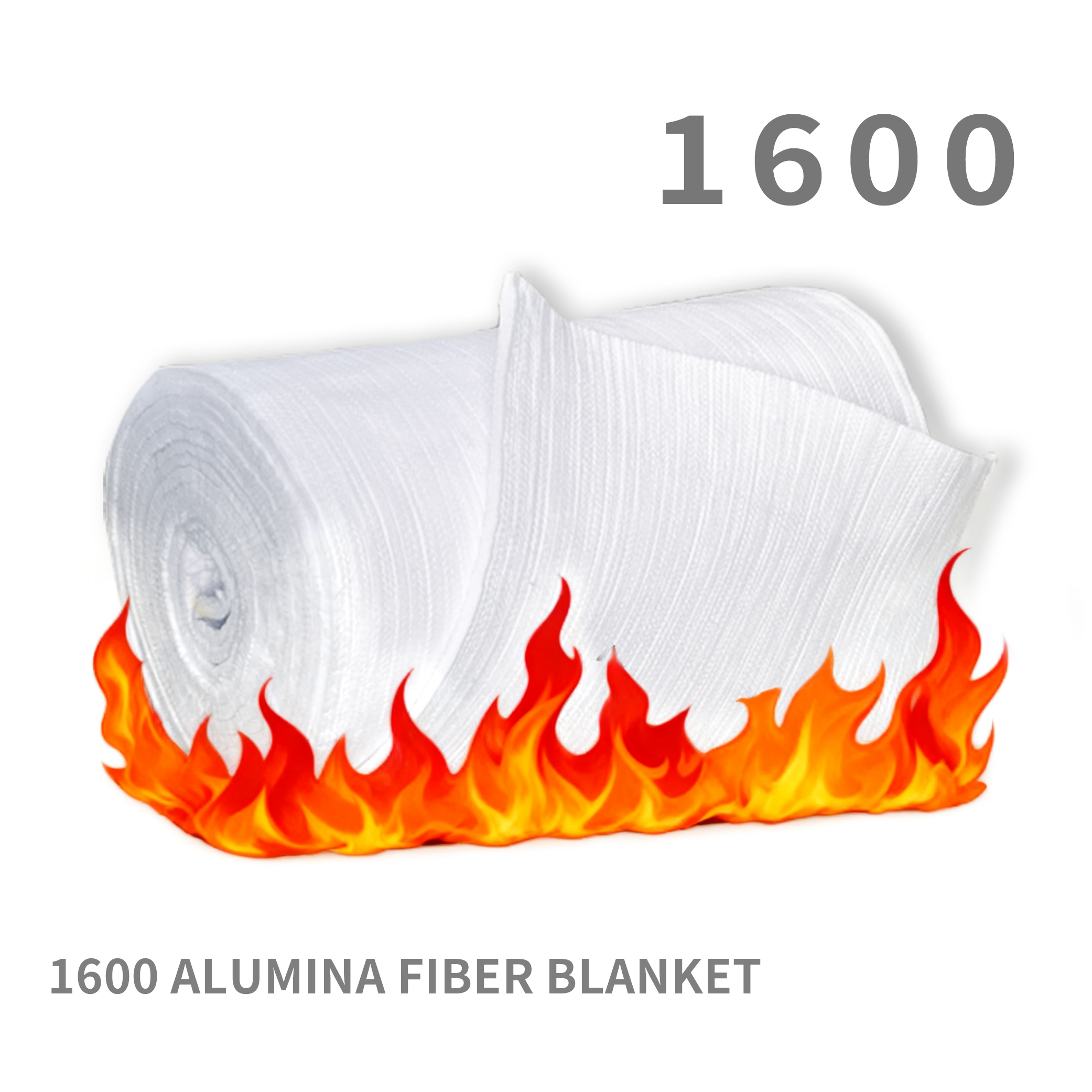
Ceramic fiber features graded service temperatures and strong adaptability to various furnace atmospheres. Aladdin ceramic fibers cover a temperature range of 900–1500 ℃, meeting diverse on-demand requirements. Different grades of ceramic fiber can be applied to different parts of high‑temperature heating furnaces, making the full-fiber furnace lining structure feasible. Calculations show that the overall cost of ceramic fiber lining is lower than that of traditional heavy refractories. It greatly promotes the wide application and popularization of ceramic fibers in high‑temperature heating furnaces.
LiveChatX
 Send Email
 WhatsApp