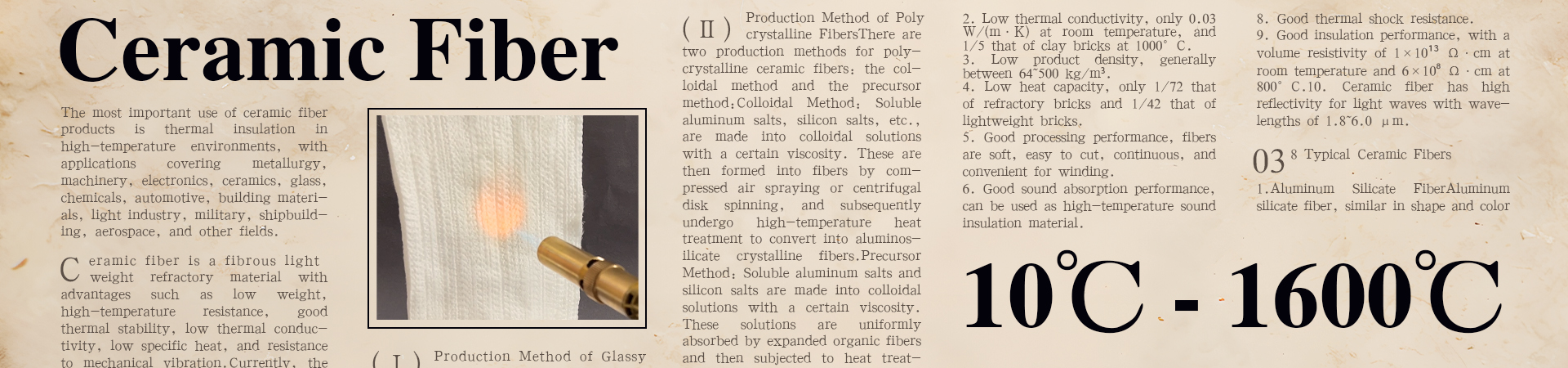
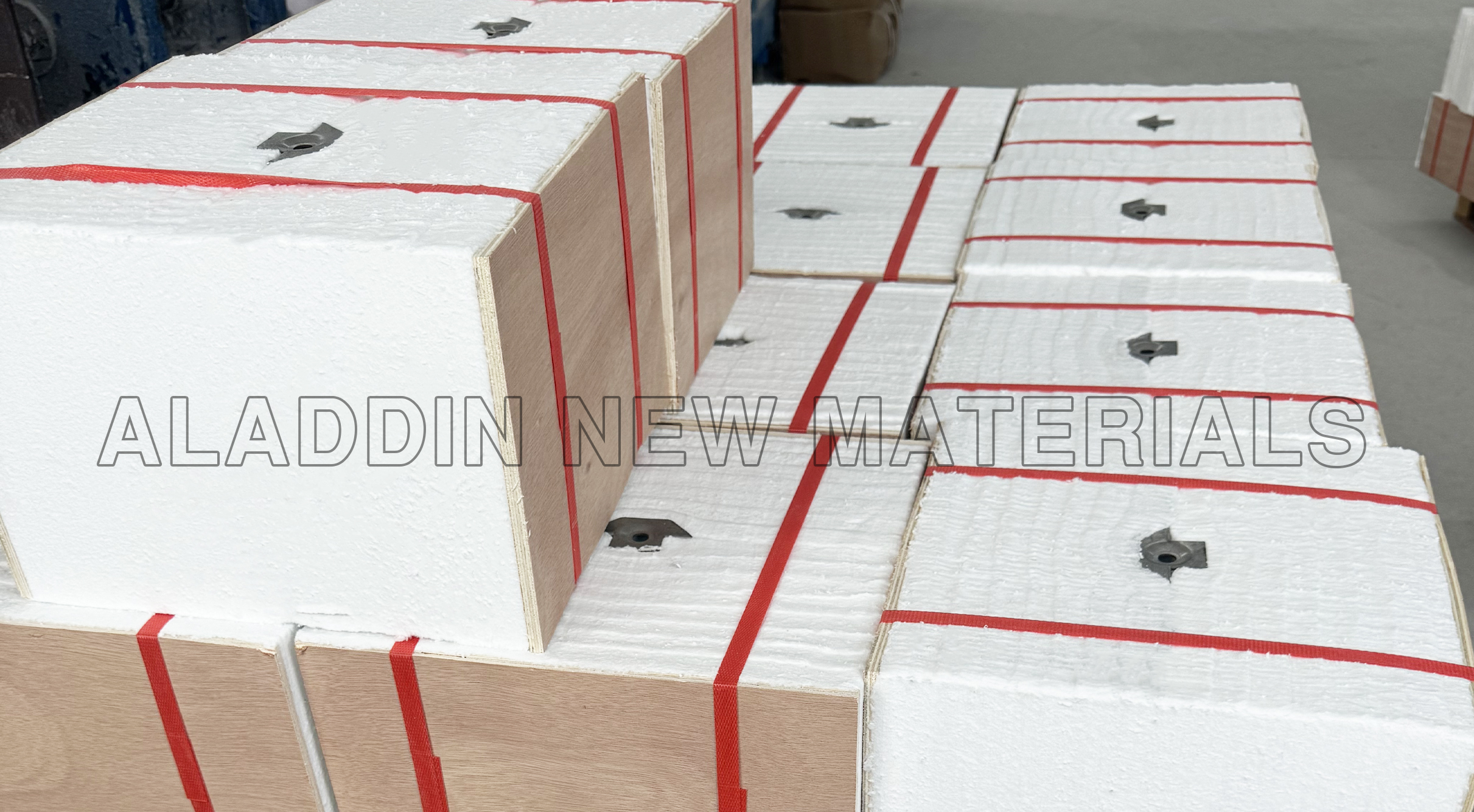
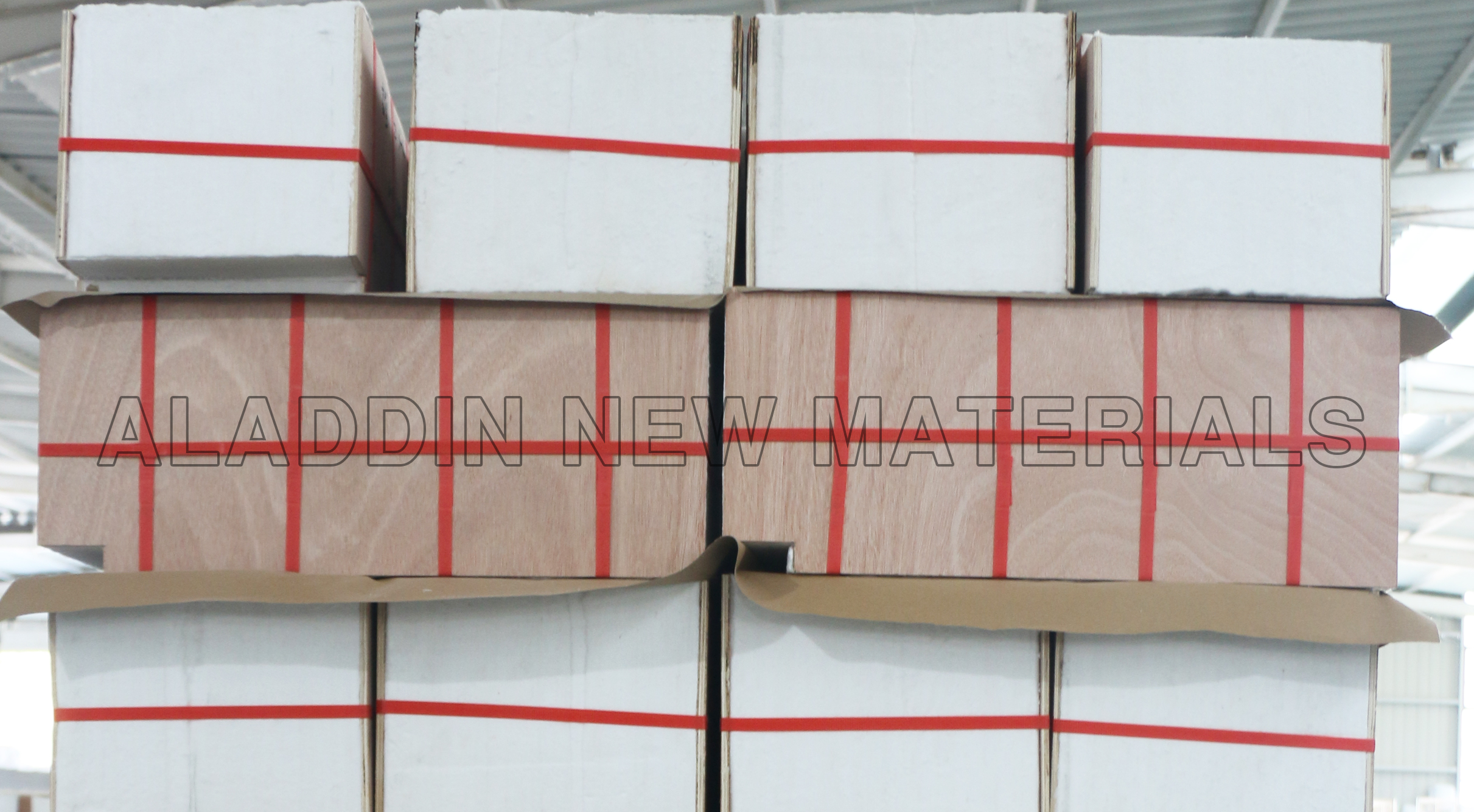
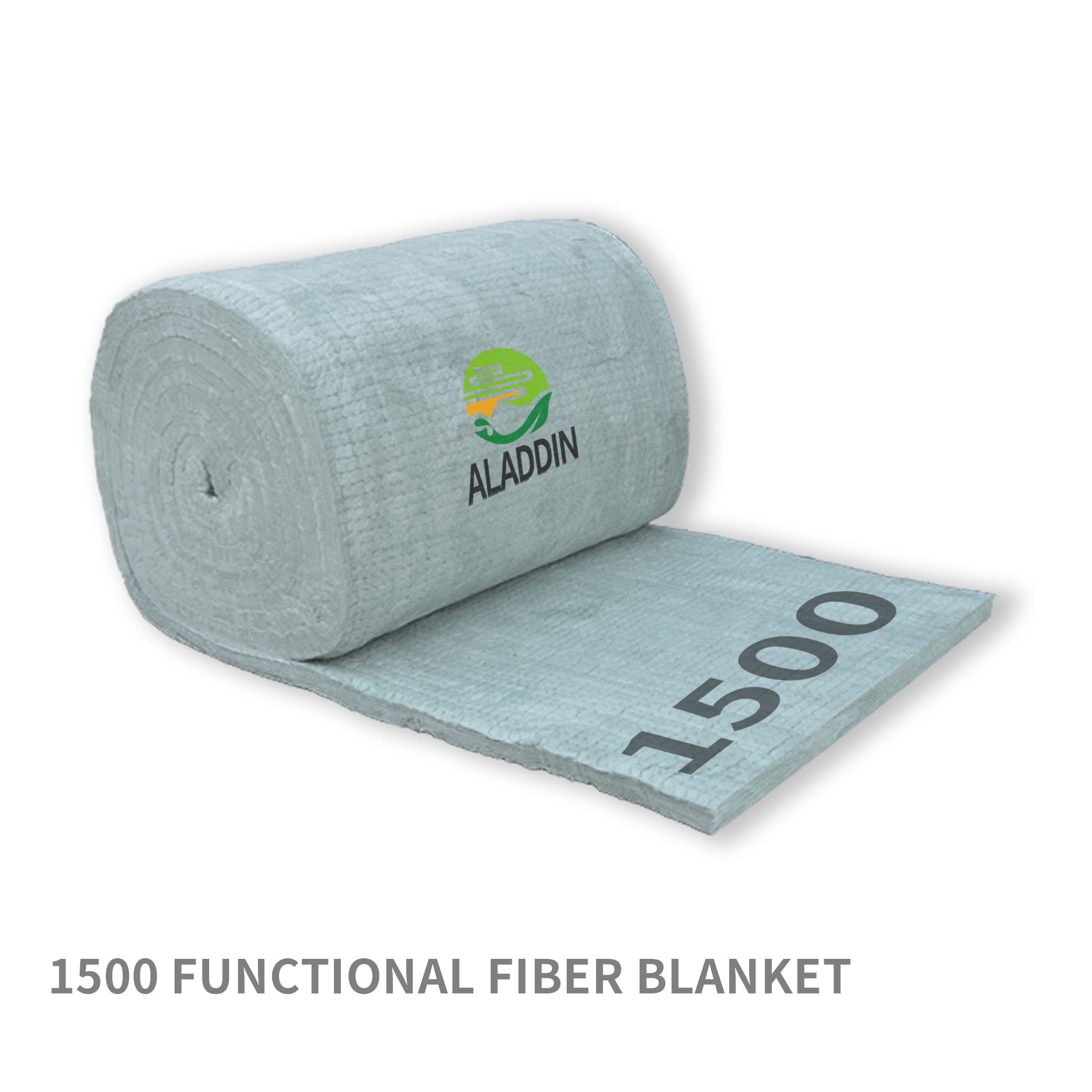
Ceramic fiber modules are produced by allowing loose ceramic fibers to settle naturally on the mesh belt of a cotton collector to form a uniform fiber blanket base. The binder-free needled blanket is manufactured through needling processing, then folded and packaged into finished modules. The thermal stability of ceramic fiber modules is closely related to the fiber diameter, specific heat, density and other physical parameters of ceramic fibers.
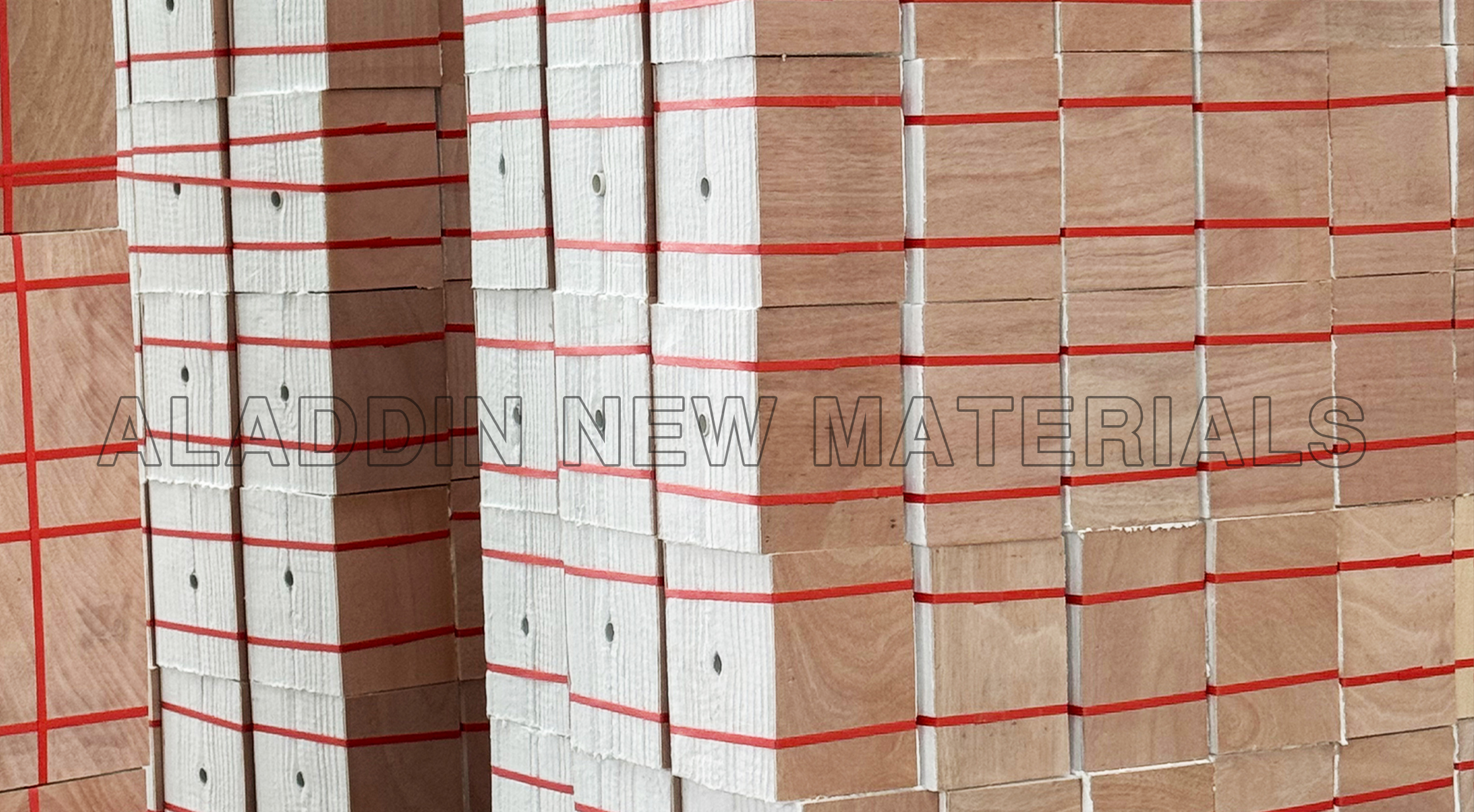
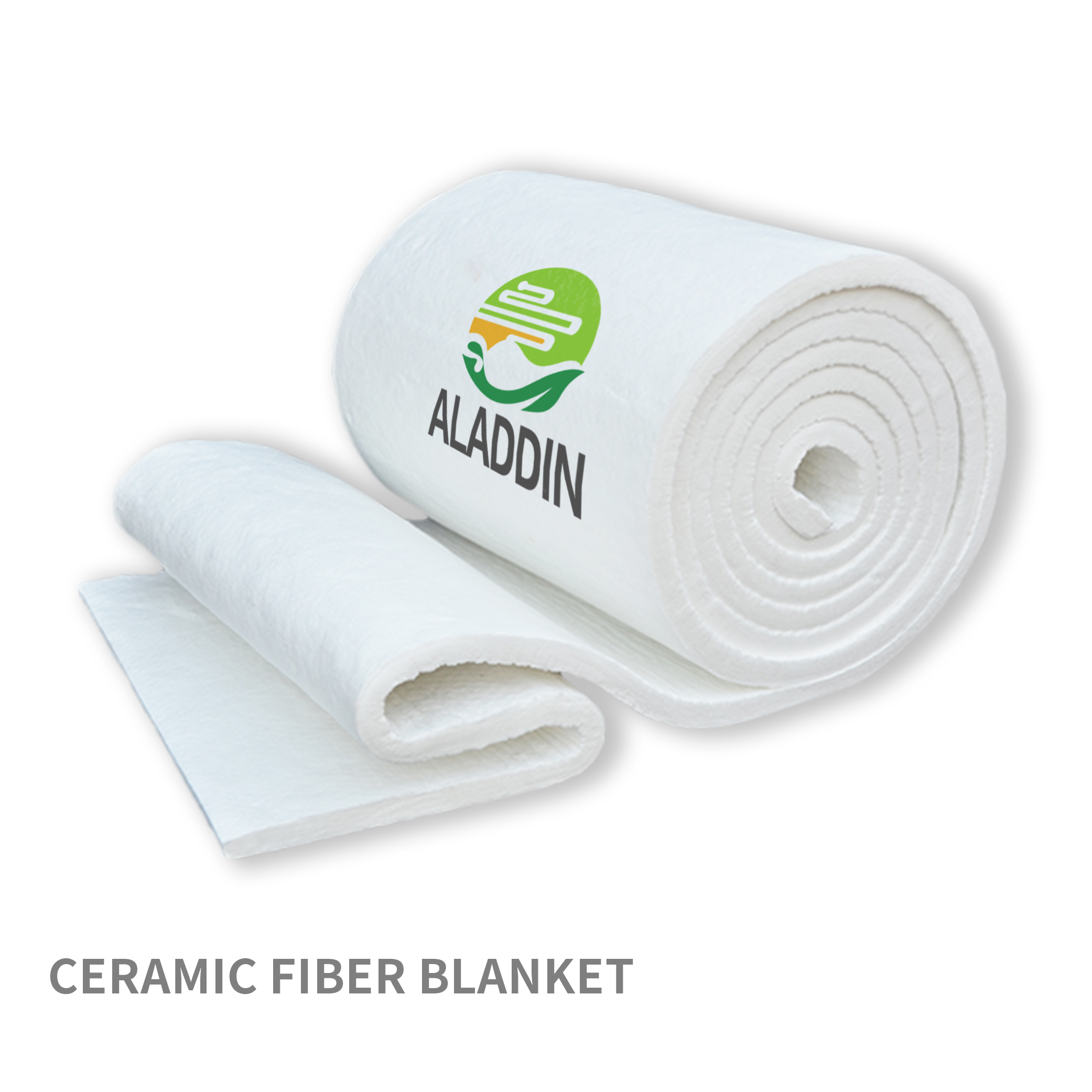
Ceramic fiber is a kind of fibrous lightweight refractory material. Featuring light weight, high temperature resistance, excellent thermal stability, low thermal conductivity, low specific heat and good mechanical vibration resistance, it is widely used in machinery, metallurgy, chemical industry, petroleum, ceramics, glass, electronics and other industries.
Key indicators of ceramic fibers include fiber diameter and thermal stability.Al₂O₃ and SiO₂-based fibers are widely used in the ceramic industry. They are classified into different application ranges according to the alumina content. Meanwhile, Cr₂O₃ is added to enhance their fire resistance and oxidation resistance. In general, fiber products with high alumina content and low impurities such as iron oxide appear pure white, while fibers doped with chromium oxide show a green color.
The diameter of ceramic fibers is usually 2~5 μm, with a common length of 30~250 mm. The fiber surface presents a smooth cylindrical shape. Fibers with finer fineness, lower density and smaller specific heat support higher service temperatures. Coarse fibers with high shot content will lead to poor application performance.
The thermal stability of ceramic fibers is a more critical parameter. All Al₂O₃ and SiO₂ fiber products have a certain linear shrinkage rate at 1260℃, and the shrinkage value directly determines their overall thermal stability.
Due to the low thermal conductivity, low density and light weight of ceramic fibers, lightweight steel frame supporting structures are widely adopted in the design and construction of kilns, leading the development of ceramic kilns into an era of kiln lightweighting. With low heat storage capacity, ceramic fibers are well suited to fast heating and rapid cooling firing processes.
Ceramic fibers feature excellent flexibility and can be processed into products with grooves and openings. They also possess great resistance to mechanical vibration and impact, as well as superior chemical stability. These advantages greatly promote the innovation of advanced kiln equipment and drive the overall progress of ceramic technology and related industries.
LiveChatX
 Send Email
 WhatsApp