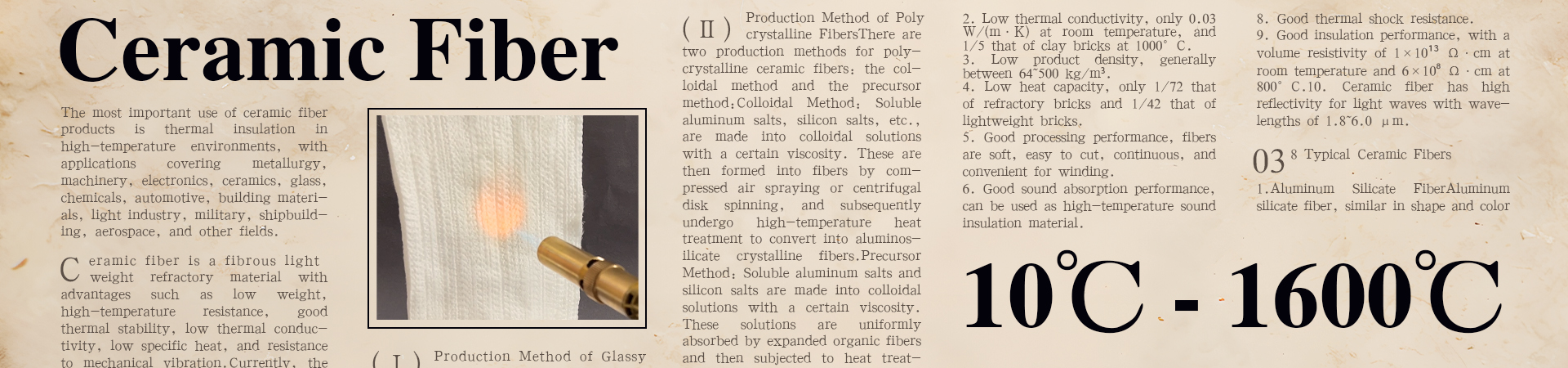
Against the backdrop of continuous development of industrial kilns and thermal equipment toward high efficiency, energy conservation and intelligence, the selection of lining materials directly determines equipment performance and economic benefits. As a revolutionary refractory and thermal insulation material, ceramic fiber boards are gradually replacing traditional refractory bricks and castables thanks to their comprehensive performance strengths, emerging as the top choice for furnace lining design. Their core advantages are summarized in ten aspects as follows:
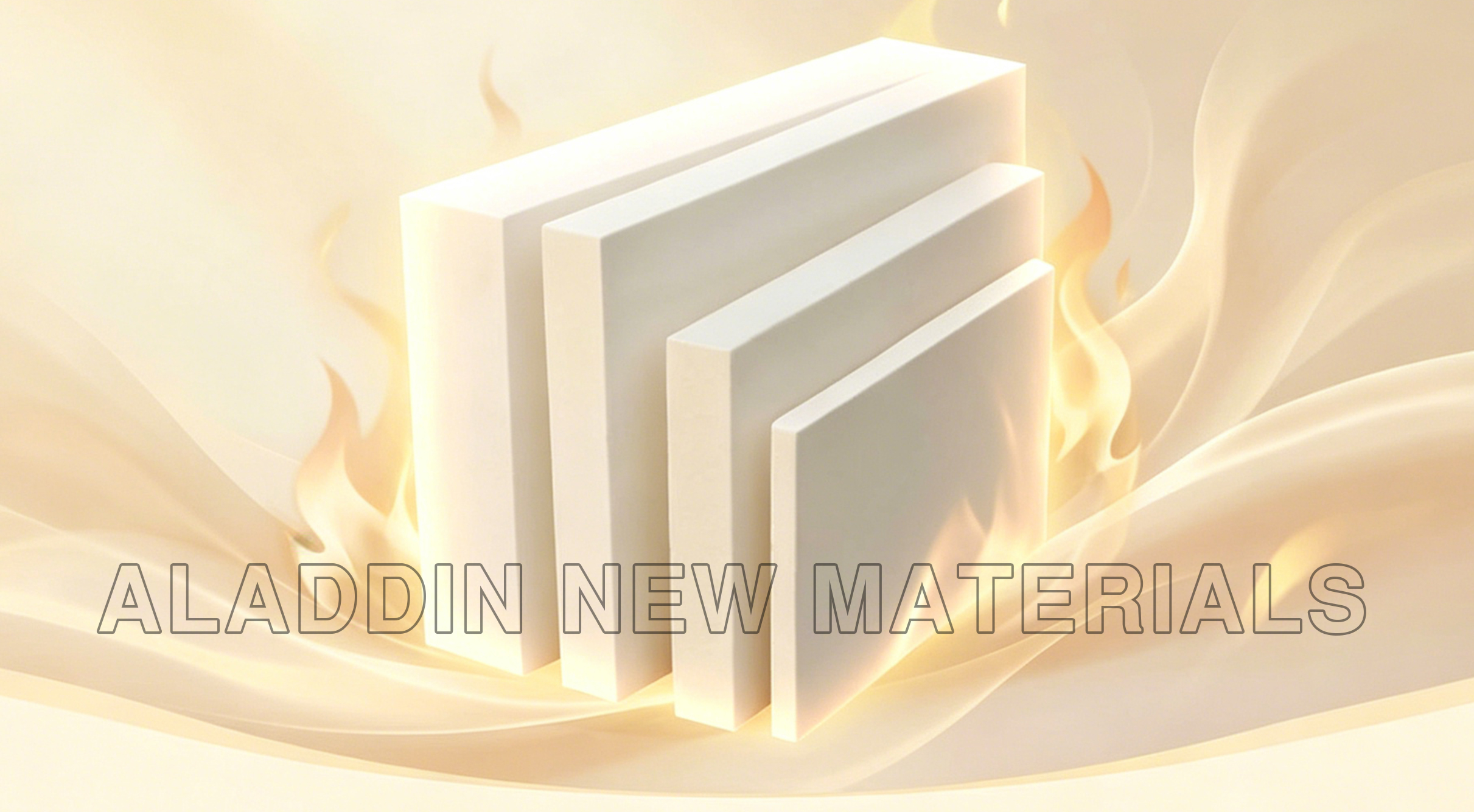
Ceramic fiber boards feature an extremely low bulk density, merely 1/5 to 1/7 of traditional refractory bricks and around 1/6 of lightweight castables. This property greatly lessens the structural load of kiln steel frames, cuts overall construction costs, and lays a solid foundation for large-scale and lightweight equipment design.
Thanks to its unique porous fiber structure, ceramic fiber boards deliver an ultra-low thermal conductivity, with room-temperature thermal insulation performance over three times superior to lightweight insulating bricks. More importantly, within its classified temperature range (e.g., 1260°C, 1400°C), its thermal conductivity rises gently as temperature increases. It can continuously and effectively block heat flow to minimize heat loss from furnace bodies, bringing outstanding energy-saving effects.
Classified into multiple temperature grades based on raw materials, ceramic fiber boards support long-term service temperatures ranging from 600°C up to 1400°C and above. They maintain intact structural integrity without pulverization or melting under extreme temperatures, ensuring safe and long-term operation of furnace linings.
Light mass and low specific heat capacity (its heat capacity is roughly 1/10 that of lightweight castables) drastically cut the heat storage of furnace bodies. This brings two major benefits: first, sharply reduced energy consumption during furnace startup and shutdown to slash operating costs; second, faster furnace temperature rise and fall, significantly boosting production efficiency and flexibility of batch-type kilns.
Filled with flexible fibers and uniform pores inside, the material perfectly absorbs and buffers thermal stress generated by sharp temperature fluctuations. Ceramic fiber board linings resist cracking and spalling under rapid heating or forced cooling, fundamentally solving the defect of easy damage from thermal shock common in traditional refractories. Maintenance intervals and overall service life are therefore multiplied.
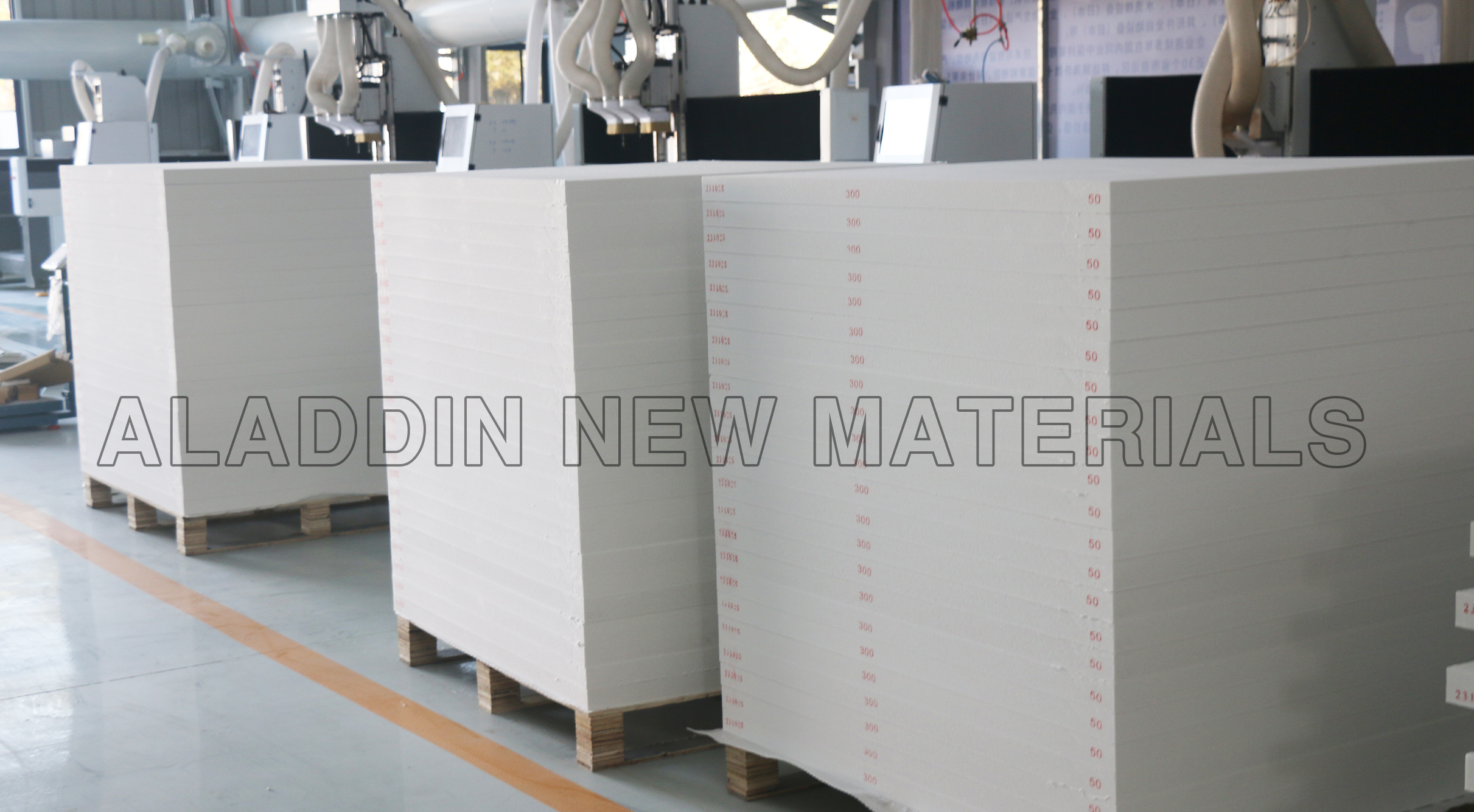
Precise dimensional tolerance and flat surface allow easy on-site processing such as cutting and drilling. Flexible and simple installation methods including bonding and anchoring enable fast construction. No lengthy and complicated furnace drying process is required after installation; the furnace can be heated up and put into production directly, greatly shortening project schedules and time-to-market.
Except for a few media like hydrofluoric acid, strong alkalis and phosphoric acid, ceramic fiber boards boast strong corrosion resistance against most acids, alkalis, water vapor, oils and molten metals (e.g., aluminum, copper), suitable for various complex atmosphere environments in industrial furnaces.
Its porous fiber structure also serves as an efficient sound-absorbing material. It outperforms conventional sound insulation materials in blocking high-frequency noise below 1000 Hz and sound waves under 300 Hz, effectively lowering operational noise pollution of kilns and optimizing the working environment.
Low heat capacity enables the lining to respond sensitively to temperature changes. It improves accuracy and response speed of temperature control systems, creating ideal conditions for precise temperature regulation and full automatic operation of kilns.
Ceramic fiber boards fit diverse scenarios, from low-temperature heat treatment furnaces to high-temperature industrial kilns, used both as hot-face linings and back-up insulation materials. Combining multiple merits including energy conservation, prolonged service life, lower construction and maintenance costs, they deliver far better comprehensive economic benefits over the whole life cycle than traditional materials. They act as a core guarantee to achieve kiln operation targets of high quality, high output, low consumption and long service life.
By integrating lightweight properties, high-efficiency thermal insulation, rapid thermal response, excellent durability and convenient installation, ceramic fiber boards translate into tangible energy savings, productivity growth and cost reduction for users. Choosing ceramic fiber boards means higher operational efficiency, lower energy costs and reliable production support for the future.
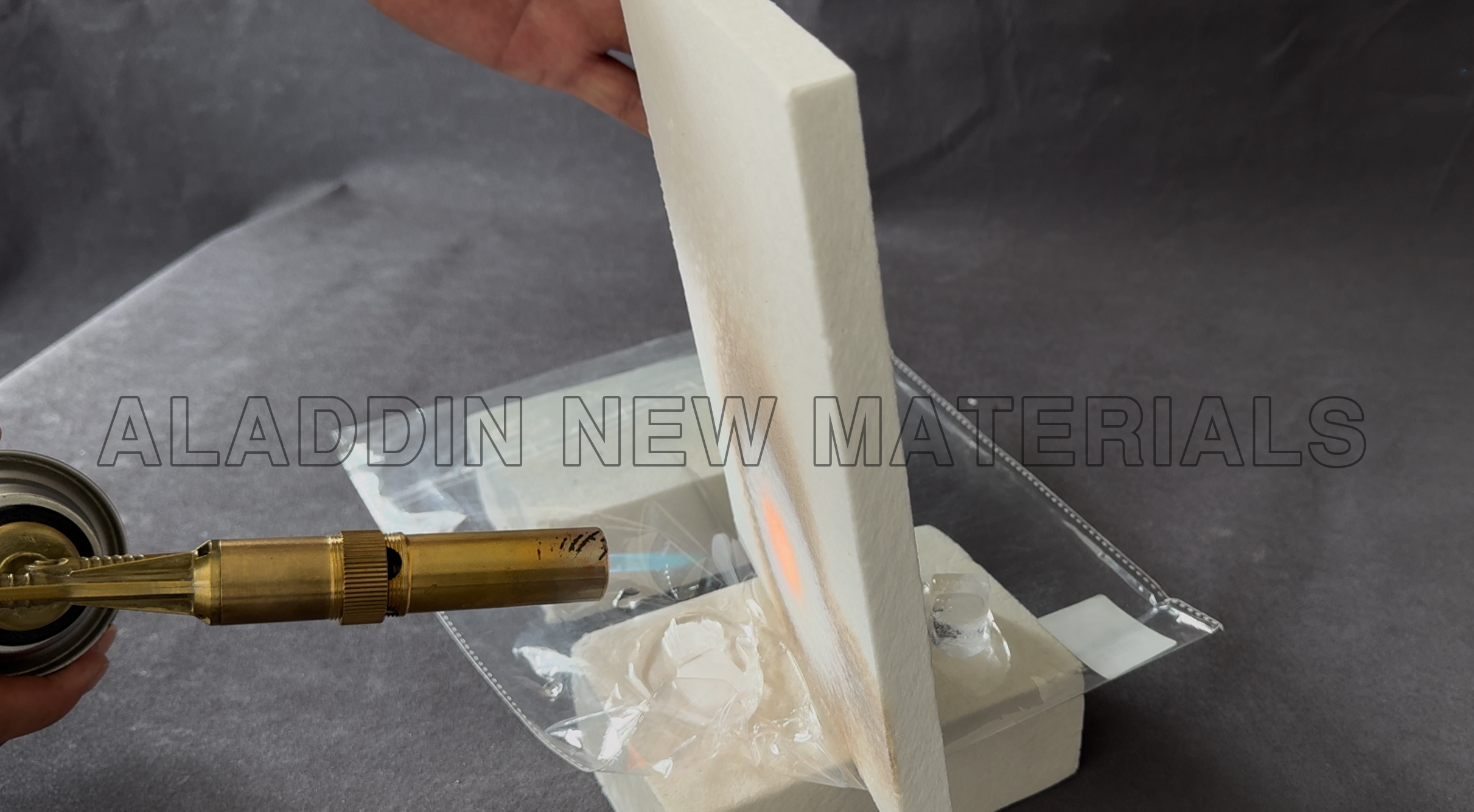
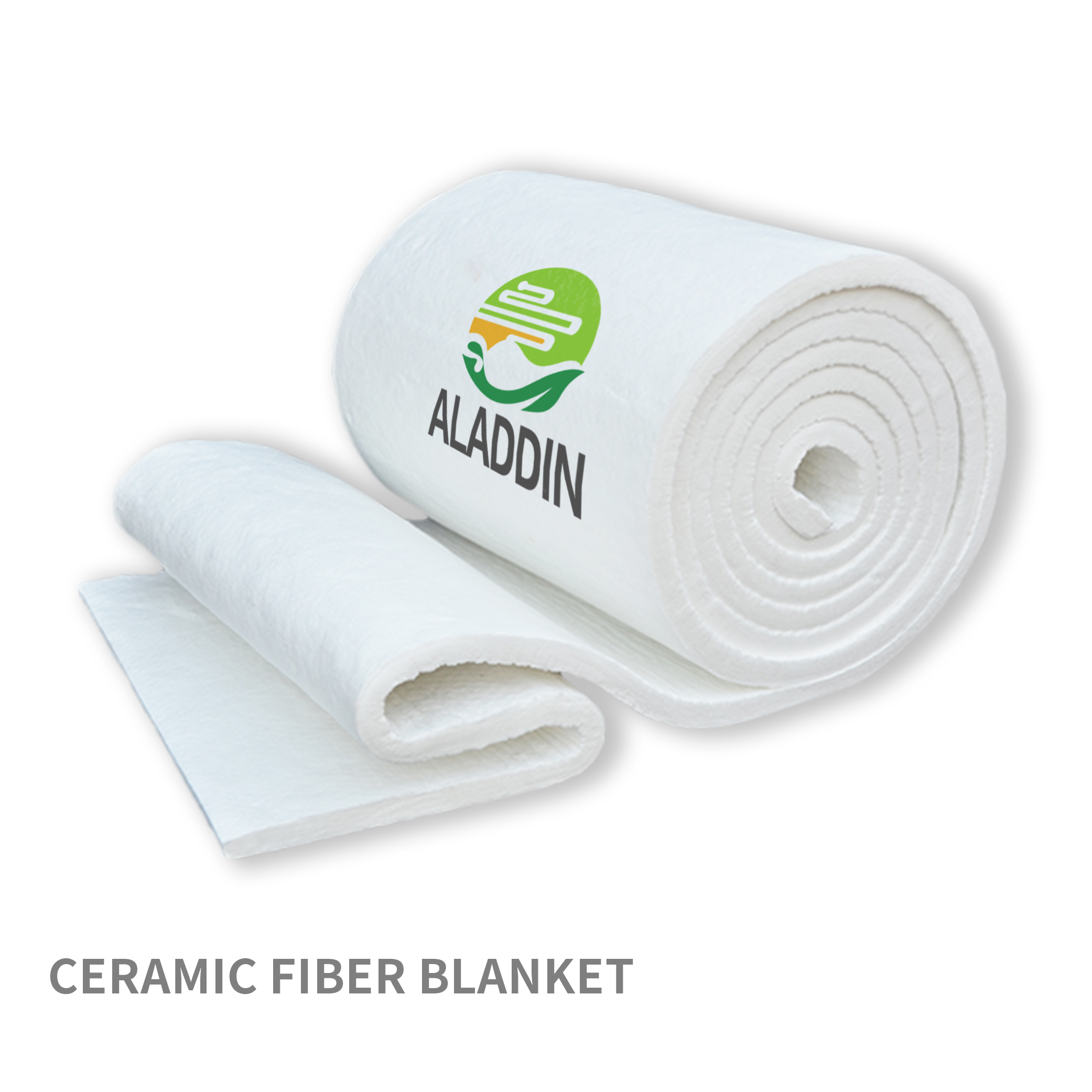
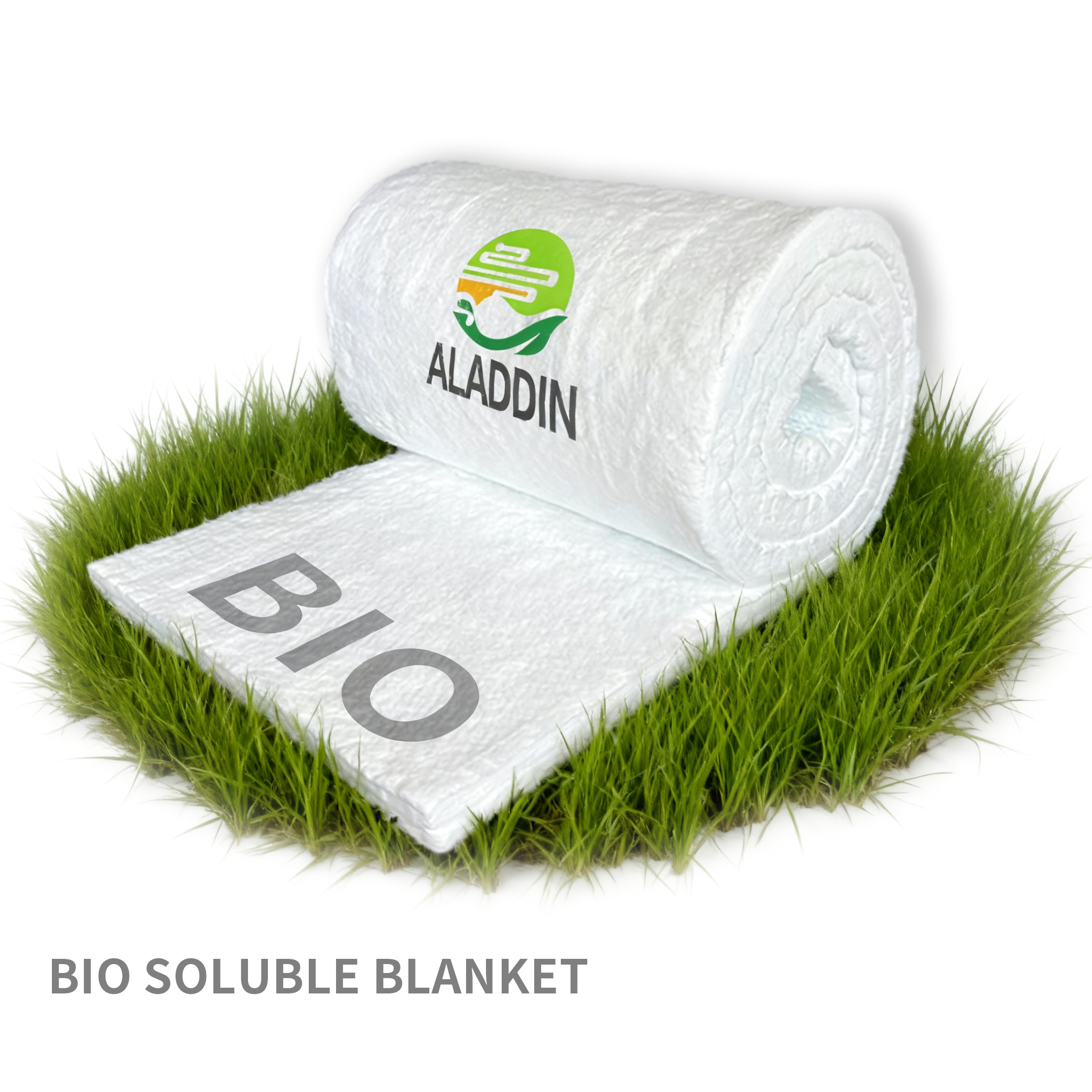
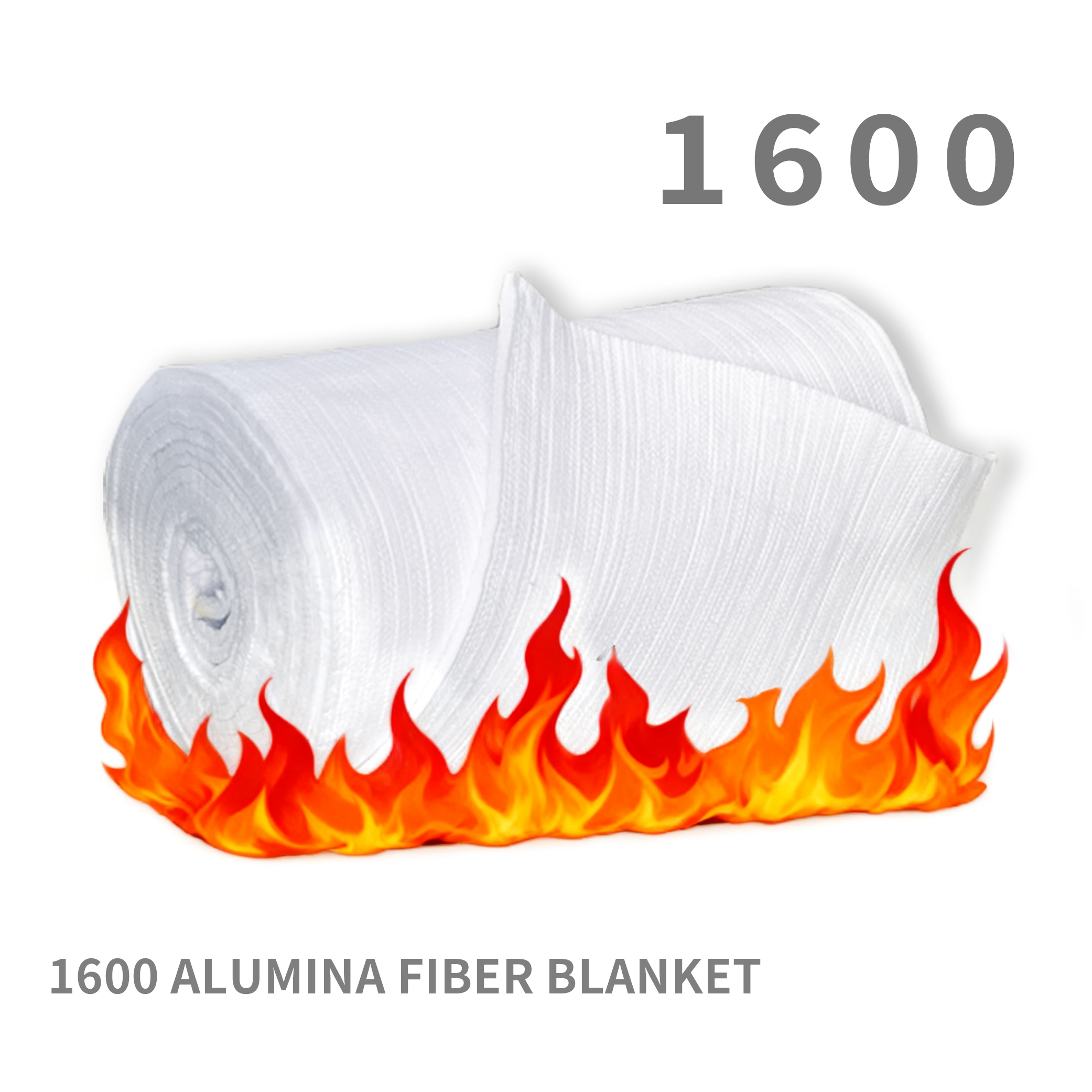
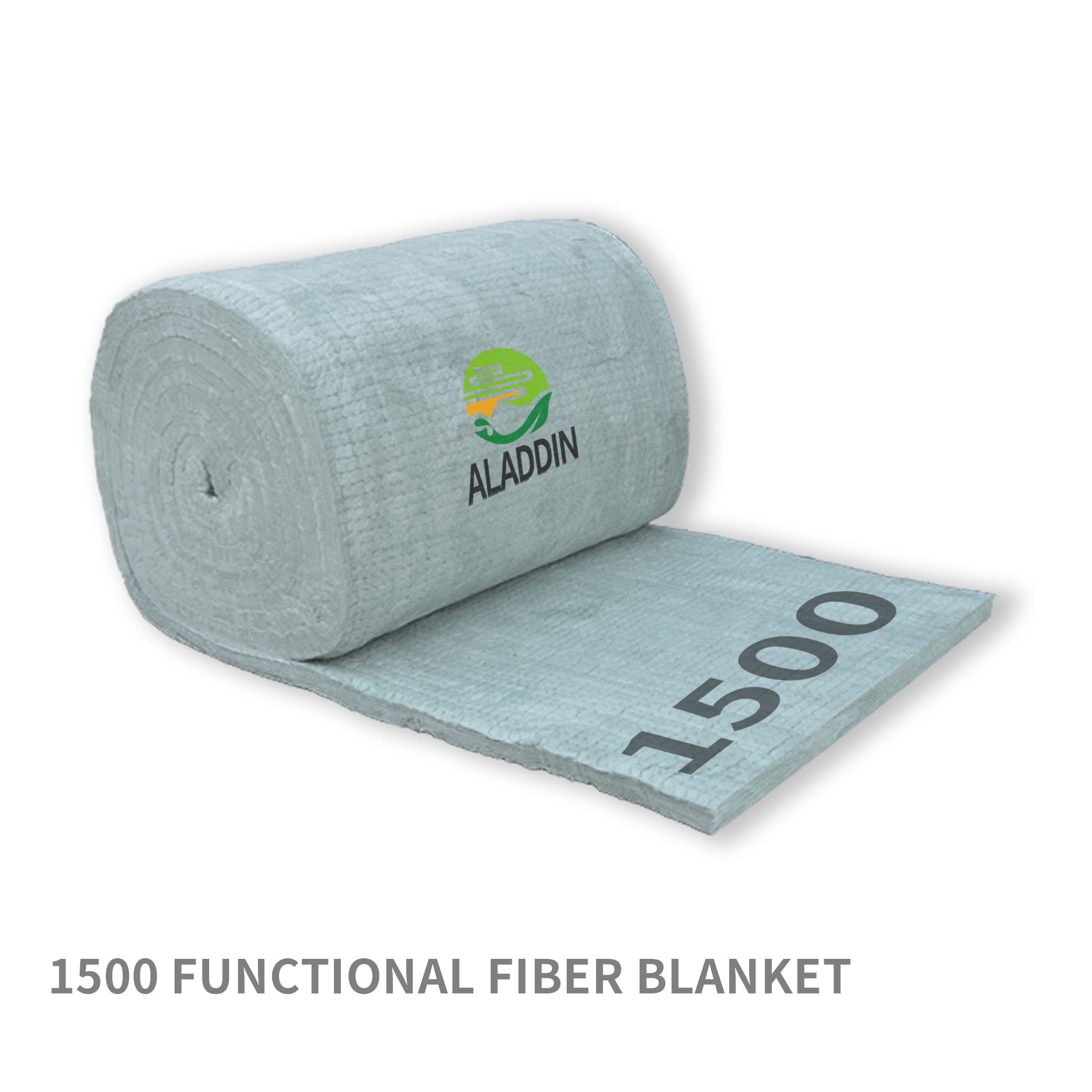
With over 30 years of development, Aladdin High Temperature Materials Co., Ltd. is a professional manufacturer of ceramic fibers integrating production, R&D and engineering development. We own four major production bases across China located in Hebei, Shandong, Shanxi and Jiangsu, equipped with more than 10 production lines and an annual output exceeding 40,000 tons.
All Aladdin ceramic fiber products come with corresponding test reports and comply with national Chinese standards. If you are interested in our products, please send us a private message or reply with the word "PURCHASE" to obtain our contact information!
LiveChatX
 Send Email
 WhatsApp